Acted began operating in Uganda in 2007, and since then has expanded its reach across multiple regions of the country, focusing on the West Nile, Northern, and Eastern Uganda. Acted’s work in Uganda aligns with the 3ZERO programmatic strategy, through diverse thematic areas such as food security and nutrition, agriculture and market support, resilience building, livelihoods, and greenhouse gas emission reductions. To address the basic needs of Uganda’s vulnerable populations, as well as the large refugee population Uganda hosts, Acted deploys innovative and environmental approaches to development which combine local expertise and global experience.
Within Sub-Saharan Africa, Uganda is seen as something of a success story. It has experienced relative stability and peace since the early 2000s. Income poverty rates have fallen significantly – from over 56 percent in 1992 to around 20 percent in 2023 (World Bank). Such positive developments, however, belie the fact that many challenges remain.
Ranked 159th out of 193 countries on the Human Development Index (HDI), Uganda faces significant development challenges. Approximately 13 million people in Uganda face food insecurity, with many regions, particularly Karamoja, experiencing chronic undernutrition exacerbated by climatic shocks and limited access to markets. Climate change is having a significant impact on the country’s agricultural sector, water resources, and livelihood strategies. Uganda is experiencing more frequent and intense droughts, rainfall, and floods. These climatic hazards affect the food security and livelihoods of many Ugandans, particularly those dependent on rain-fed agriculture, as climatic variability disrupts crop production. Additionally, shifting weather patterns and unpredictable rainfall exacerbate water scarcity in some regions, while floods increase the risk of disease outbreaks. Uganda’s vulnerability to climate change highlights the need for adaptation strategies, including enhancing agricultural resilience, improving water management, protecting natural ecosystems, and increasing the sustainability of livelihoods.
The country has one of the youngest populations in the world, with more than 77% of its population under the age of 30, posing both challenges and opportunities for development. At the same time, Uganda is experiencing rapid population growth, with the population of 44 million predicted to reach a staggering 100 million by 2050 (World Bank). With limited land and job opportunities available for young Ugandans, this could reverse positive trends and could threaten the country’s environmental sustainability. In addition, Uganda is home to over 1.7 million refugees, primarily from neighbouring South Sudan and the Democratic Republic of Congo, further straining already limited resources.
There is significant need in Uganda for support in the areas of economic development, job creation, climate change adaptation, and environmental sustainability as the country moves forward. Acted’s programming focuses on addressing these issues, supporting people in some of the poorest and most marginalised parts of Uganda through interventions in agriculture, rural livelihoods, resilience, and climate-smart programming.
Acted in Uganda
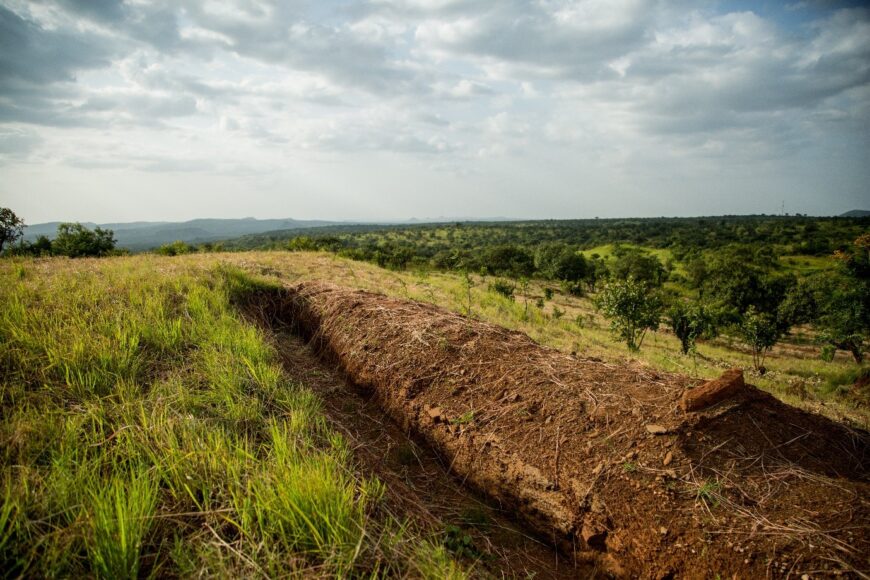
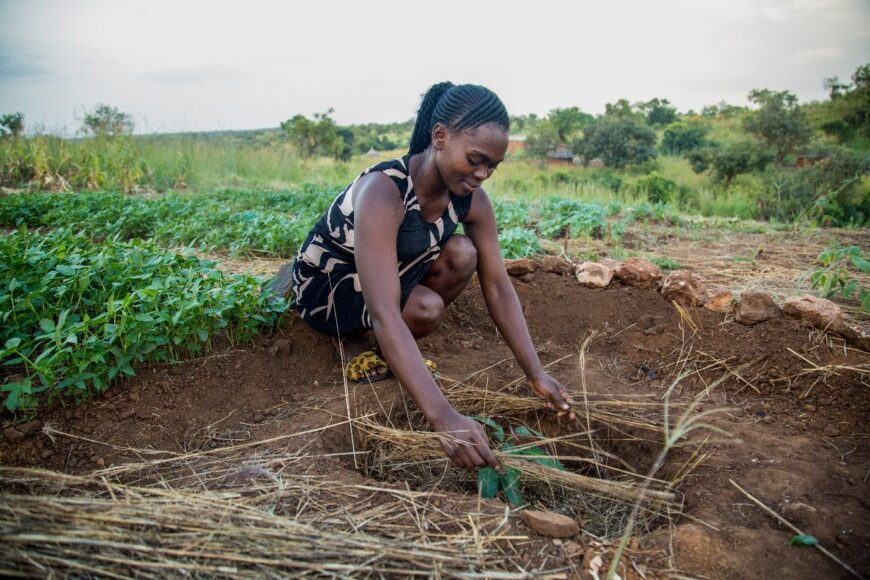
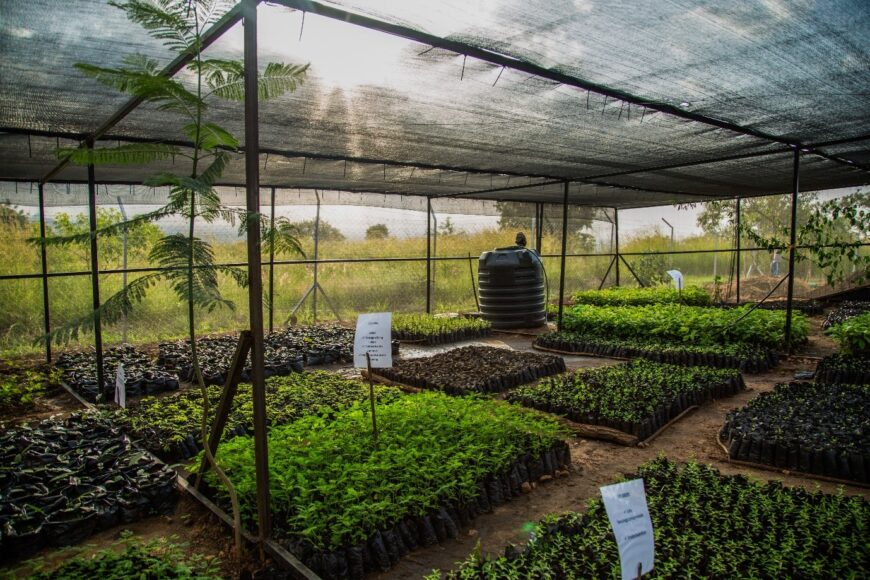
Acted Uganda leverages its expertise to promote climate adaptation and resilience, improve food security and nutrition intakes, and promote sustainable livelihoods. Acted Uganda’s programming focuses on impactful and context-specific measures to increase communities’ resilience to future shocks. In Karamoja, the Ugandan district most vulnerable to food insecurity, this approach includes the training of farmers on climate-smart agriculture, the planting of tree seedlings, and the construction of water harvesting earthworks. In doing so, Acted aims to retore the balance of natural systems, returning degraded ecosystems to thriving, productive areas. In close partnership with target populations, local governance bodies, partner NGOs, and inter-agency working groups, Acted’s integrated response contributes to meeting the basic needs of vulnerable populations, while promoting sustainable and context-specific livelihoods, environmental protection, and social cohesion.