Present in Afghanistan since 1993, Acted operates across 17 provinces through 13 projects, reaching 4.4M+ people. An area-based approach combines rapid emergency support with longer-term recovery, rooted in community acceptance in hard-to-reach areas. Work is guided by three pillars: improving access to basic services; expanding livelihoods and economic opportunities, especially for women and youth; and scaling nature-based solutions for climate adaptation and mitigation. When shocks hit, integrated multisector assistance is delivered, including cash and in-kind support. With communities and partners, Acted strengthens resilience and dignity, sustainably promoting inclusive access to services. This advances Acted's 3ZERO vision for a Zero Exclusion, Zero Carbon, Zero Poverty world.
Afghanistan faces a protracted humanitarian and development crisis, compounded by climate vulnerability and persistent exclusion. 48% of the population is in need of humanitarian assistance, and 27% faces severe levels of food insecurity. Displacement and returns continue to strain services and livelihoods, with 4.2M IDPs and 2.1M returnees from Iran and Pakistan since January 2025. Afghanistan ranks 179/185 for climate change vulnerability, while gender-based barriers deepen exclusion: 1.5M school-aged girls are out of school and 68% of young women remain unemployed.
Acted in Afghanistan
3ZERO in Afghanistan
Acted’s positioning in Afghanistan links humanitarian action and development through the 3ZERO programmatic wheel.
Zero Exclusion prioritises access to basic services and protection for the most vulnerable, women and girls, returnees, displaced households, and people in hard-to-reach areas, through
area-based programming, Multi-Purpose Centres, and tailored support that strengthens community acceptance.
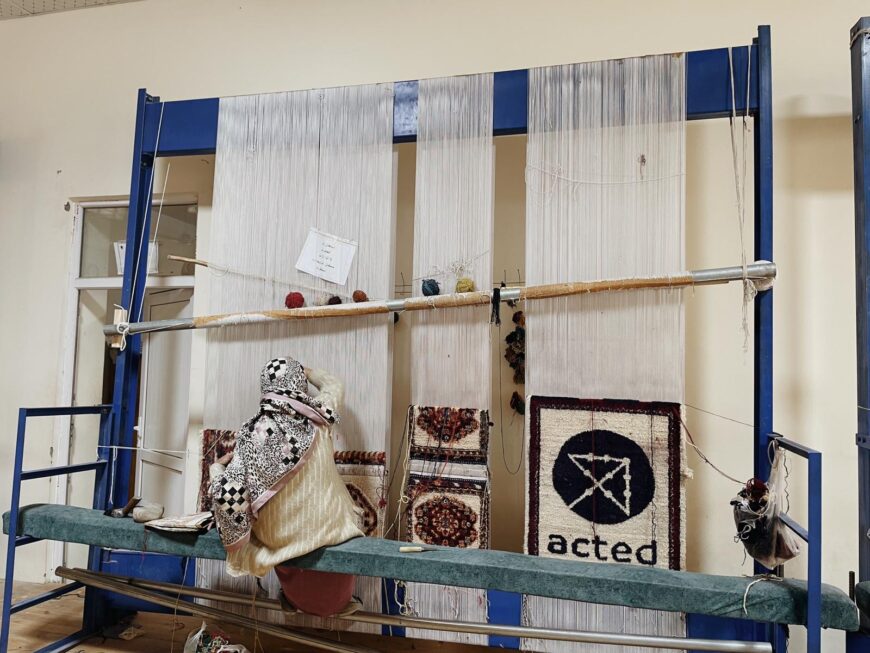
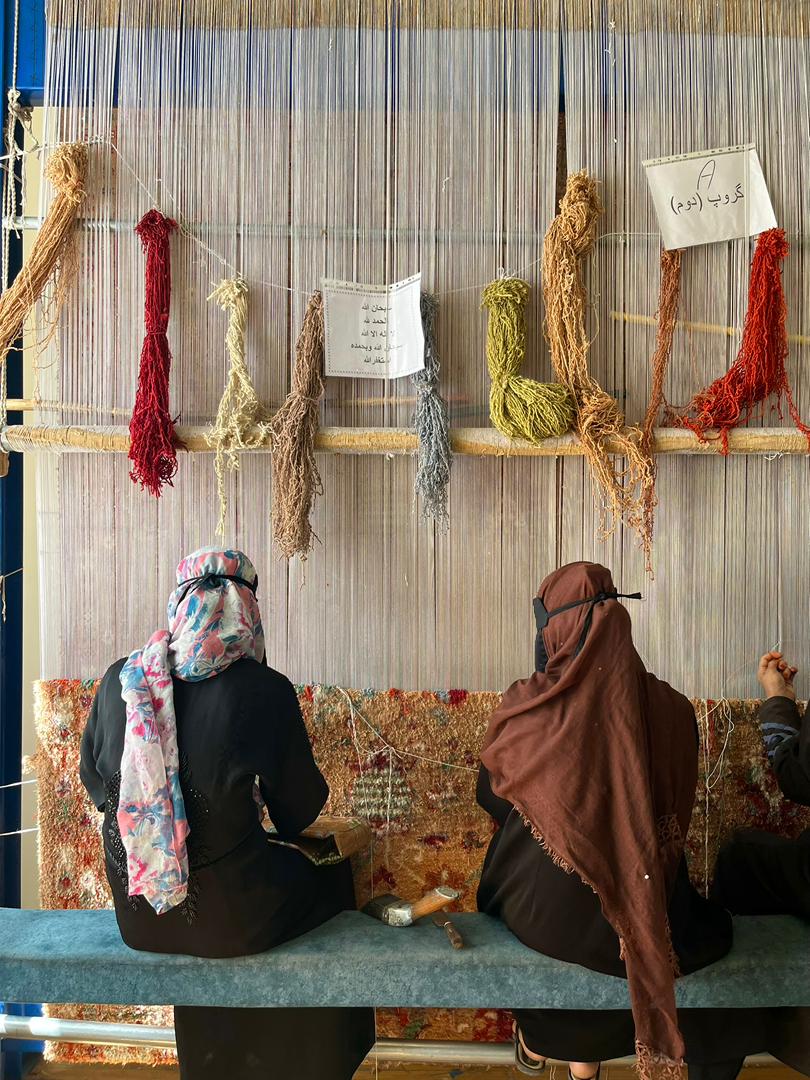
Zero Poverty aims to stabilise household incomes and reduce negative coping by expanding skills, supporting women-led and youth-inclusive MSMEs, and strengthening value chains and cooperative
market linkages, alongside agro-pastoral livelihood recovery for farmers and herders.
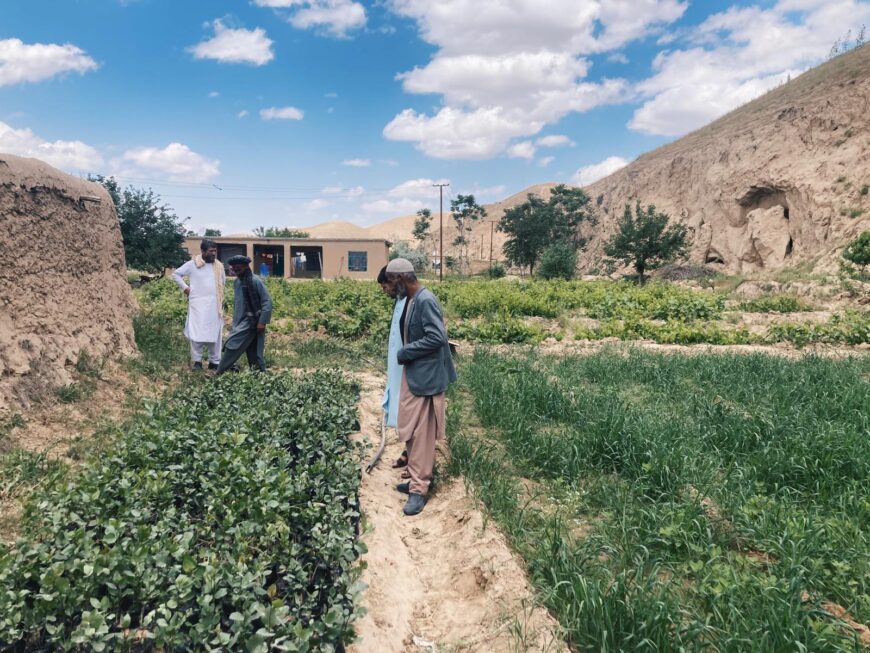
Zero Carbon addresses Afghanistan’s high climate vulnerability by scaling nature-based solutions and climate-smart agriculture that restore soils, improve water management, and rehabilitate degraded land, reducing disaster risks while protecting biodiversity.
Across pillars, rapid, multisectoral emergency response, cash and in-kind assistance, helps families meet immediate needs after shocks and creates a bridge to longerterm resilience. Community-led platforms and natural resource management committees support inclusive planning, conflict-sensitive resource governance, and sustainability. Overall, interventions aim to reduce exclusion, poverty, and climate risks simultaneously, ensuring assistance translates into lasting services, livelihoods, and greener local systems. Support in return areas and informal settlements strengthens social cohesion and durable solutions, reinforcing local capacities, partnerships, and accountability to communities.
In Afghanistan, Acted advances its 3ZERO objective through Acted’s global flagship programmes:
AGORA (with IMPACT): Since 2018, AGORA delivers recovery and resilience programming through community-based access to basic services and natural resource management, and durable solutions in
ISETs. Using an area-based approach accountable to local stakeholders, communities are empowered to lead evidence- and needs-based planning, delivery, and monitoring.
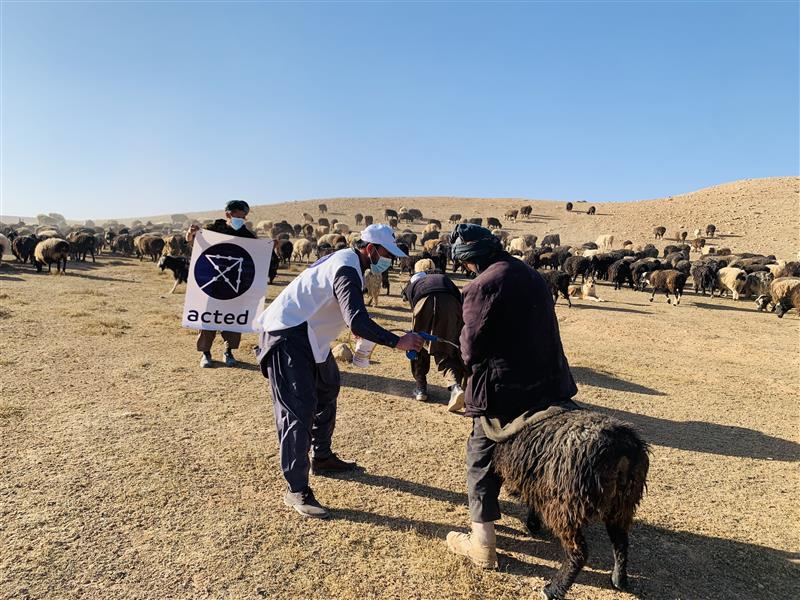
THRIVE: Acted pilots THRIVE (Towards Holistic Resilience in Vulnerable Environments) to link ecosystem restoration, market empowerment, and inclusive community governance for climate adaptation and rural development. The programme has restored 100+ hectares of degraded land, supported 30,000+ farmers, and vaccinated 808,000+ animals, improving food security for 61,050 herders and strengthening market linkages through cooperatives.