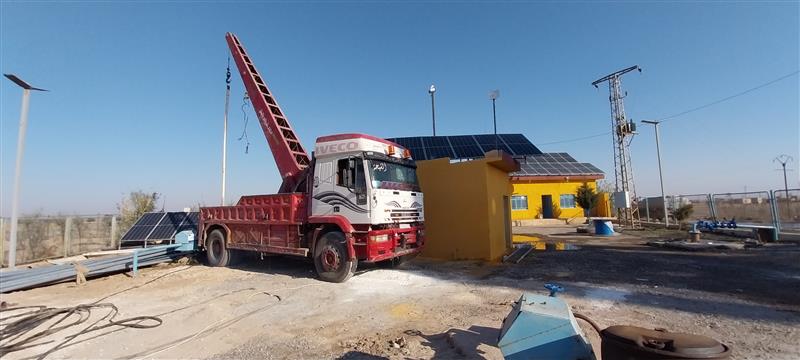
Through European Union funding, Acted rehabilitated a critical borehole in Nafasha well field, supplying 42 villages in Hasakeh sub-district in Northeast Syria with clean water. Nafasha well field is a group of nine boreholes spaced closely together that extract water from the same underground source, in order to supply water for public consumption in Hasakeh. Acted provided essential components needed to operate one of the boreholes sustainably as well as a solar power generator, improving functionality of the entire well field. Approximately 20,000 individuals benefit from the improved water supply, and livelihoods of people working at the well field are improved. This intervention was vital in Northeast Syria’s water-scarce context, where years of conflict, infrastructure damage, and declining groundwater reliability have severely limited access to safe water. The irregular operation of major water stations and the deteriorating quality of alternative sources have left over half a million residents of Hasakeh city dependent on unstable or unsafe supplies, making the rehabilitation of reliable boreholes essential.
Water shortages and unsafe water sources: Nafasha well field and the community before Acted’s intervention
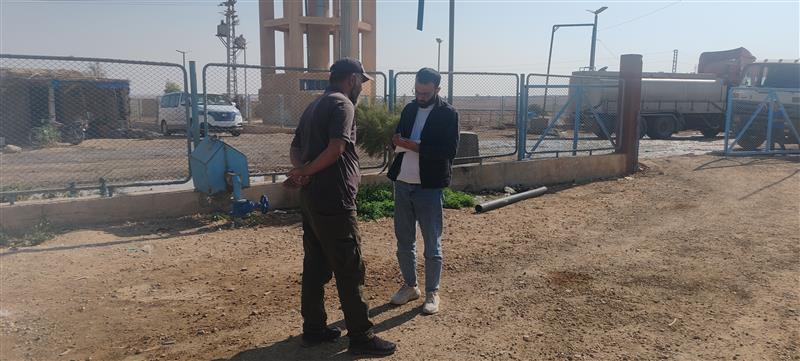
Majd is the water station manager at Nafasha well field. His job, like that of his colleagues, was difficult as they were struggling to provide sufficient water to the inhabitants of the area. Before Acted’s rehabilitation, Majd explained that the borehole’s submersible pump had stopped working and needed to be replaced. Moreover, power outages were frequent and the generator often stopped working.
Due to the cessation of pumping, an insufficient amount of water was available for beneficiaries’ daily needs,although other wells in Nafasha still provided water. Residents of the area were thus often forced to resort to obtaining water from private wells, which was an expensive and unsafe option. The lack of water also affected everyone working at the well field. Yasseen, who is a water truck driver operating in the area, told Acted:
Sometimes I waited for four or five hours just to fill one tank. The long waiting time made it hard to complete deliveries on time, and my income decreased. I struggled to cover daily expenses for my family.
We were frustrated and worried. We tried to solve the problem ourselves, but to no avail. The cost of rehabilitating the borehole well was too high. All ways to improve the situation we found before Acted’s intervention were partial and did not fully secure the operation of the borehole
Acted’s intervention at Nafasha well field
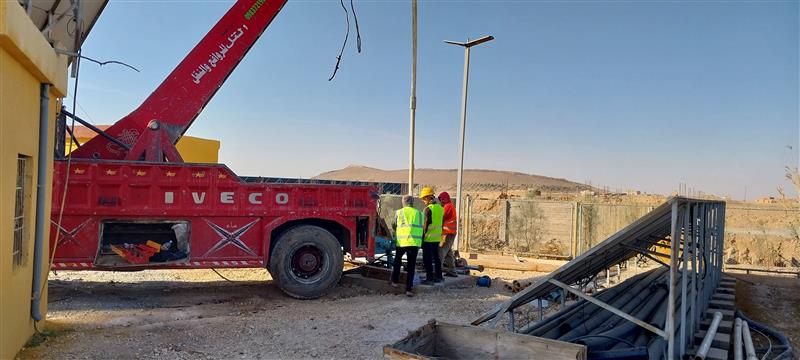
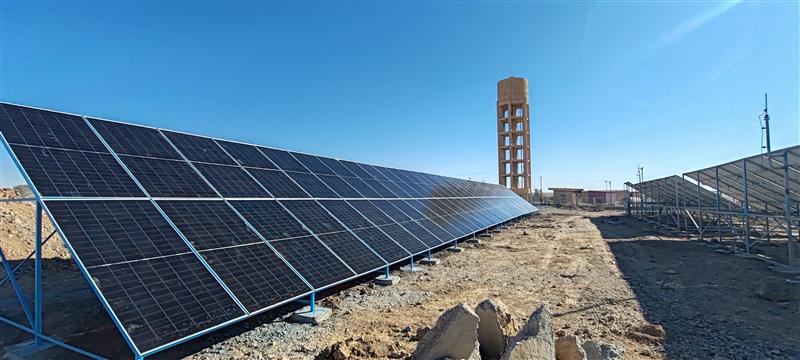
The water directorate thus reached out to Acted. Acted’s team then visited the Nafasha well field and conducted an assessment at the borehole. Acted hired a contractor that installed a new submersible pump, along with galvanised steel pipes, a solar power station to operate the pump, and necessary accessories such as valves, and a water meter. Works such as painting and renovating the pumping room, and maintaining doors and windows were also done. The news of Acted’s intervention spread and reached members of the community as well as those working around the well field.
We saw Acted’s team visiting the site, conducting assessments, and coordinating with the local authorities to start the maintenance. We were hopeful that this would finally solve the ongoing problem.
Sufficient water supply for Nafasha community and neighboring villages
Following Acted’s support more water is now available the quality of the water provided improved. The community does not have to use unreliable sources of water anymore. Water is now provided to the surrounding villages three times a week, compared to once a week prior to Acted’s intervention. Water truck drivers do not have to wait for long hours at the well field anymore. Yasseen can fill his truck quickly and do several daily trips to serve the surrounding villages.
Now, there’s enough water for everyone.
Furthermore, an environmentally friendly and reliable source of electricity to operate the water station has been provided.
After the installation of the solar power station, the noise and fumes from the generators have been eliminated, and diesel fuel is now only needed for nighttime operation when required.
The intervention also benefited the people working at the station. Yasseen now has a more stable income as he can deliver water regularly. He feels proud that his community now has access to clean water.
The access to water has made life easier for both the drivers and the families we serve. Before, the people in the village worried constantly about water shortages, especially in summer. Now, water reaches them on time and is of better quality. The demand for unsafe private wells has decreased, and I’ve seen fewer complaints and more cooperation among the communities.