In Syria, years of conflict, infrastructure damage, and insufficient maintenance have significantly weakened essential services, leaving many households, including both internally displaced persons and host communities, without reliable access to clean water and safe sanitation.
In response, with support from Global Affairs Canada, Acted Canada in partnership with Acted Globalenting an integrated approach that addresses critical infrastructure gaps across multiple levels of the WASH system.
The project focuses on rehabilitating essential services in health facilities, restoring water supply systems serving surrounding communities, and repairing wastewater infrastructure to mitigate public health risks in targeted areas.
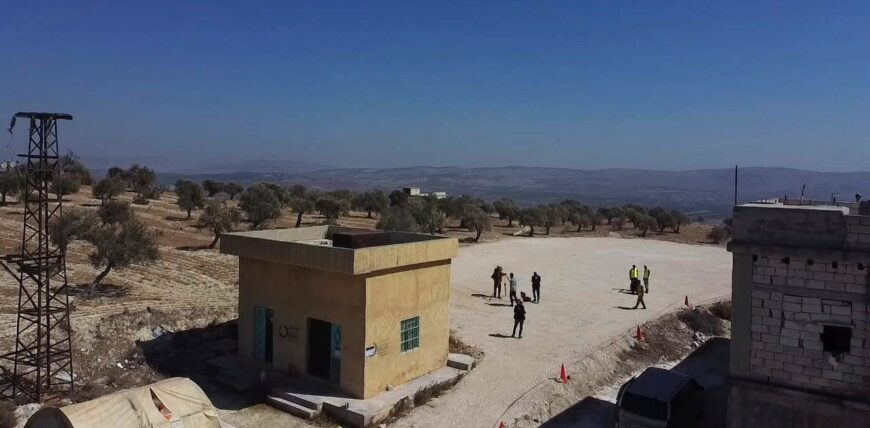
Upper Shoughour Faces Frequent Water Shortages
After 14 years of conflict affecting Upper Shoughour village in Idlib, severe shortages of drinking and domestic water became a persistent challenge for residents. The Upper Shoughour water station, which should have been a key source of safe water, was unable to operate reliably, instead providing irregular, weak, or unsafe water. This was primarily linked to its reliance on diesel fuel, which is both costly and subject to frequent supply disruptions. As a result, the station experienced repeated breakdowns and only partial operation over extended periods, significantly limiting its ability to meet community needs. With no stable alternative, households were forced to rely heavily on expensive water trucking and other unsafe water sources to cover their daily consumption needs.
In the past, we struggled to access drinking water and had to rely exclusively on water trucks, without knowing whether the water was safe or not. We could not receive water from the network at all.
Zakaria, a 66-year-old farmer and father of seven from Upper Shoughour, described the daily difficulties he and his family faced in accessing safe drinking water prior to the GAC–funded Acted’s intervention. With no reliable connection to the water network, households like his were fully dependent on water trucking, often with no assurance of water quality or safety. The high cost of these services placed a heavy financial burden on families, forcing them to divert limited household income away from other essential needs such as food, healthcare, and education.
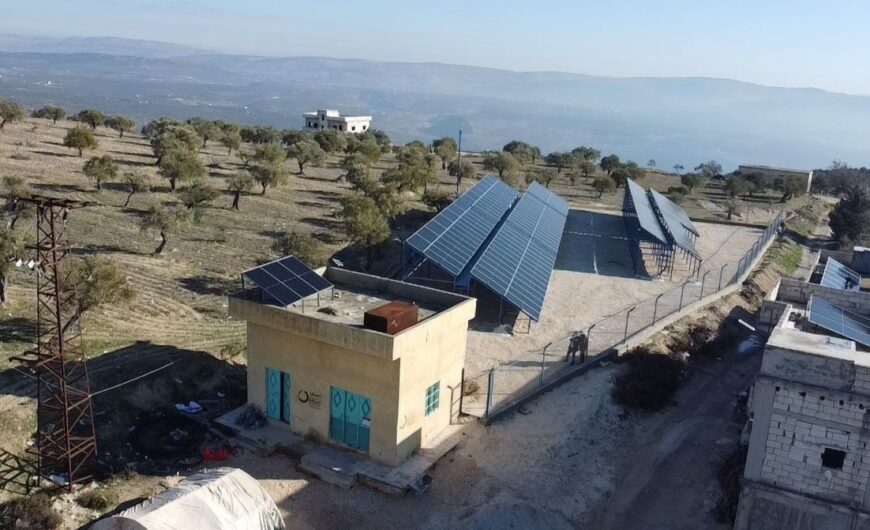
Following consultations in Upper Shoughour, Acted Canada teams worked with the local council and community members to assess the water station and define sustainable solutions based on technical findings and field visits.
The project included the rehabilitation of the water station, the maintenance and expansion of the water network, and the installation of solar power systems to operate both wells and chlorine dosing pumps. Solar energy was prioritised, in compliance with environmental standards, to reduce costs and ensure continuous operation in the absence of a public electricity supply.
For the first time, we have access to safe drinking water. It is a great achievement, my family feel very happy.
With the support of Global Affairs Canada, Acted Canada has delivered lifesaving WASH assistance to communities across Syria facing severe and prolonged challenges in accessing safe water and sanitation infrastructure. As a result, daily pumping hours have significantly improved, ensuring a more consistent supply of chlorinated, potable water to the residents of Upper Shoughour. Reliance on costly water trucking has been substantially reduced, leading to lower household water expenses, improved public health outcomes, and reduced reliance on diesel-powered systems through the adoption of clean solar energy.