At the Al-Khashah site in Yemen’s Marib, Governorate, access to safe healthcare once felt deeply uncertain for many displaced families.
In 2015, Nour*, a 46-year-old mother of six, had to abandon her home and the life she had built out of fear for her family’s safety.
Eventually her journey led her Marib. Although her family’s immediate safety improved, their life in a makeshift shelter brought new challenges.
My life is a constant struggle for dignity. Clean water and safe sanitation are luxuries here.”
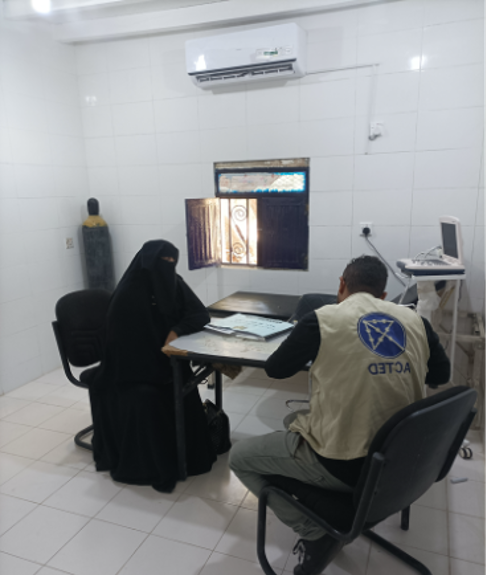
When Seeking Care Meant Taking a Risk
Years of conflict in Yemen have forced thousands of families into displacement, placing enormous strain on local infrastructure.
According to OCHA’s 2024 Humanitarian Needs overviews, 18.2 million people are in a state of need in Yemen. Already experiencing an extreme lack of water, Yemen has faced further depletion of water sources and desertification due to a recurrent drought, rising temperatures and the longstanding conflict.
In Al-Khashah, a community-built health facility served as the primary point of care for hundreds of displaced households. However, this centre faced severe structural and sanitation challenges.
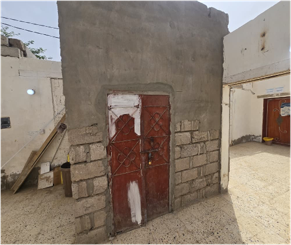
The walls were unfinished and full of deep cracks, and the roof was badly damaged, creating severely compromised hygiene conditions.
When we brought our children for treatment, we felt anxious instead of comforted because of the lack of privacy and the poor conditions
During the rainy season, water seeped through these precarious and unfinished structures, flooding the site and creating unsafe conditions for patients and staff.
Because the conditions were so poor, we sometimes had to travel long distances to the nearest health unit just to receive proper treatment. We often worried that coming to this facility might make us even sicker due to the poor sanitation.
During heavy rain, I had to bring one of my children to the health unit. The water was leaking from the roof, and the corridor was like a small stream. It was heartbreaking to see a place meant for healing in such a bad state. I felt helpless, wondering if there would ever be a clean and safe place for us
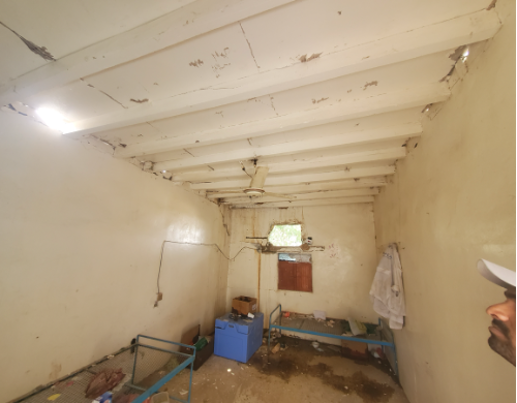
WASH facility before Acted's rehabilitation, Al-Khashah village, AlWadi district, Marib governorate, November 2025
Rebuilding a Place of Healing
Following coordination with local authorities and technical assessments, Acted launched a rehabilitation process to address the most urgent Water, Sanitation and Hygiene (WASH) gaps at the health facility.
Guided by its commitment to promoting sustainable and inclusive support for communities affected by crisis, Acted prioritised solutions that would not only repair the visible damage, but strengthen the facility for the long term. This intervention included repairing water systems, improving sanitation networks, and enhancing the overall construction of the facility.
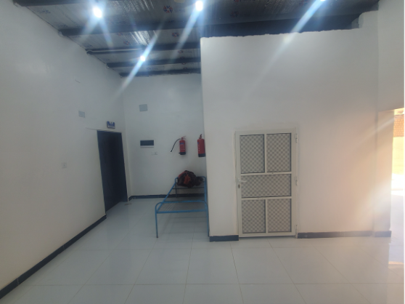
Through the rehabilitation of gender-inclusive WASH facilities, Acted Canada has helped transform this health unit into a cleaner, safer space, restoring not only sanitation but also dignity and hope for families seeking care.
The transformation has been remarkable. The health facility is now significantly safer, cleaner and more comfortable for everyone. The rehabilitation has addressed the critical issues of water seepage, poor sanitation and lack of privacy, creating a safer
Thanks to funding from Global Affairs Canada through the 24-month project “Provision of life-saving WASH services in Northern Syria and Yemen,” Acted has been able to upgrade critical sanitation infrastructure at the site. The project delivers multi-faceted WASH support to communities affected by protracted humanitarian crises, where displacement and deteriorating public services have severely limited access to safe water and sanitation.
The upgraded facility now provides safer sanitation, improved water management, and a more welcoming environment for the 1,158 people living in the surrounding site.
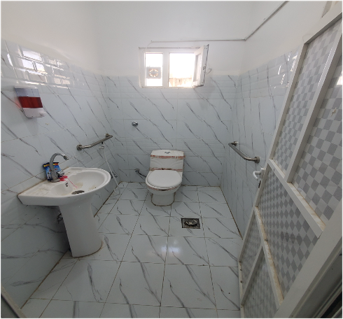
WASH facility after Acted's rehabilitation, Al-Khashah village, AlWadi district, Marib governorate, November 2025 - February 2026
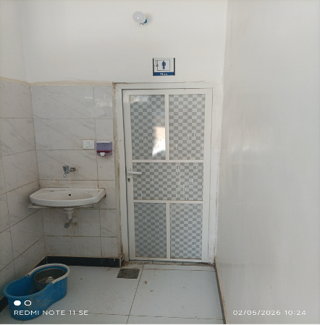
Looking to the Future
WASH gaps in Marib governorate are exceptionally high, and while improvements at these sites are crucial, they do not come without challenges.
As many Internally Displaced People (IDPs) live in makeshift shelters scattered across a wide area with significant distances between them, this geographical dispersion makes the centralised provision of WASH services both difficult and essential.
Although the future of the IDPs living in these shelters remains uncertain, for families like Nour’s, these improvements feel like a step in the right direction.
I feel optimistic about our community’s future.
*Name has been changed to protect individual’s privacy.