Acted operated in Darfur between 2004 and 2014, and reopened its mission in Sudan in 2020, after the Juba Peace Agreement, providing emergency response activities as well as early recovery and resilience actions. Following the outbreak of conflict in 2023, Acted has scaled up its programming.
With operational presence in six states (Red Sea, River Nile, Khartoum, Gedaref, White Nile, and Blue Nile), Acted has become a key humanitarian actor in the Sudan response, ensuring emergency assistance reaches vulnerable communities in hard-to-access areas affected by the ongoing conflict, providing support both through direct interventions and remote cash programming.
Since armed clashes broke out in Khartoum on April 15th, 2023, Sudan is facing one of the fastest unfolding crises globally, with unprecedented humanitarian needs. Over 25 million people—more than half the country’s population—require urgent assistance, including over 14 million children. Alarmingly, 17.7 million people are experiencing acute food insecurity, with warnings of potential famine. Since the conflict began, more than 10 million people have been displaced, seeking refuge within Sudan or in neighboring countries, making this the largest displacement crisis in the world. The armed conflict has damaged the country’s industrial base, education, and health facilities: insecurity, displacement, limited access to medicines, medical supplies, electricity, and water continue to pose enormous challenges to delivering aid across the country. With no indications of a political solution to the conflict, the situation is expected to worsen, solidifying the humanitarian crisis in Sudan as the largest in the world.
Acted in Sudan
Despite the challenges posed by the conflict, Acted has managed to scale up its response to reach the most vulnerable populations in Sudan. Since the war began, Acted has provided emergency, life-saving assistance to over 150,000 individuals and intensified its support for local response actors.
Acted’s current emergency efforts focus on food security, WASH (Water, Sanitation, and Hygiene), shelter, non-food items (NFIs) and protection interventions, to ensure access to basic services. As part of the Cash Consortium of Sudan, Acted has expanded both its multipurpose cash assistance (MPCA) and group cash transfers as central components of its programming. Additionally, Acted adopts a mobile Camp Coordination and Camp Management (CCCM) approach to respond to the large-scale displacement across the country.
Acted has also strengthened its collaboration with local response actors, including the support to community kitchens, known as takeya, in Khartoum’s Karari neighborhood and work with community-based organizations to reach people in remote areas.
Acted remains committed to working on the ground to meet the needs of the Sudanese people, going the last mile to serve those most in need across Sudan.
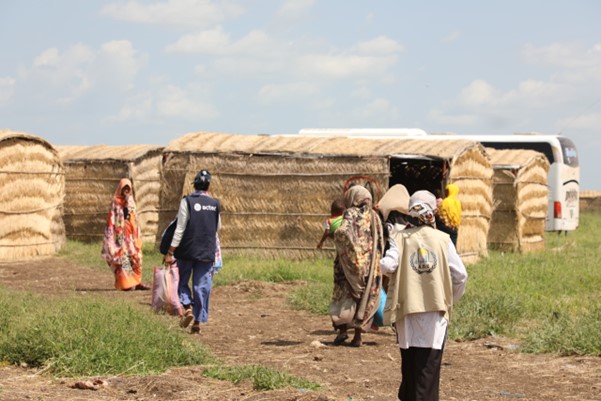
Abu Alnaja North CCCM site, Gedaref state, in September 2024
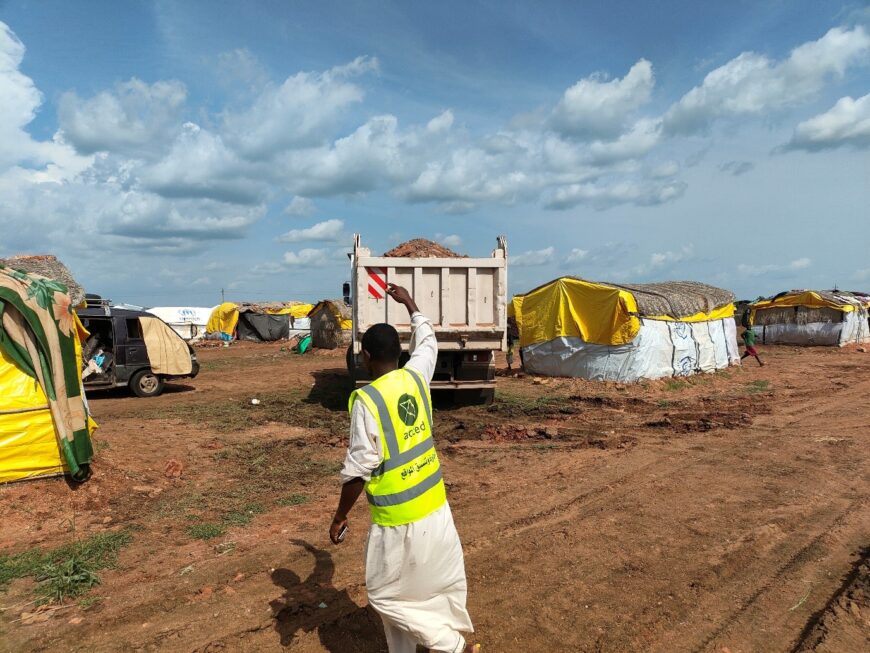
Backfilling works in Abu Alnaja CCCM site, Gedaref state, in September 2024
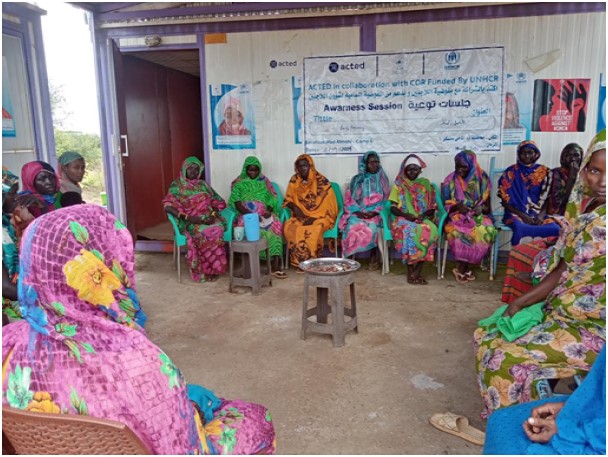
Awareness raising session on early pregnancy in the Women’s Center in Camp 6, Blue Nile state on September 23rd, 2024.
With over 10 million people forcibly displaced since the start of the conflict, the Camp Coordination and Camp Management (CCCM) flagship approach is a central component of Acted’s programming, allowing Acted to identify and target vulnerable displaced persons and hosting families – both in sites and urban displacement contexts – for multisectoral assistance (WASH, NFIs, site improvements/community initiatives, and protection activities), improving the quality of life and security for people who are displaced, and supporting dignified living conditions and protection in line with international standards. Acted is also implementing GOCA programming to local response actors, through support to the takeya (community kitchens).
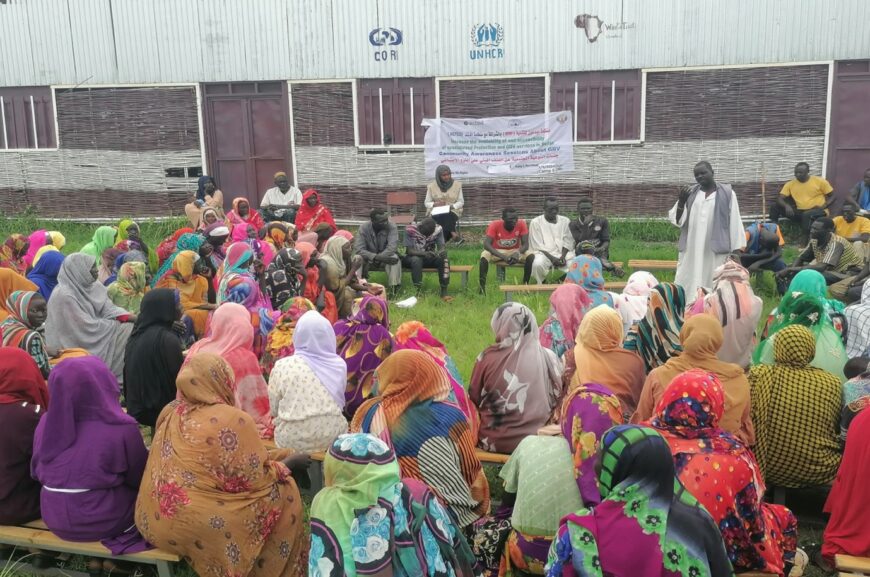
Awareness raising session on GBV prevention in Camp 6, Blue Nile state on August 1st, 2024.
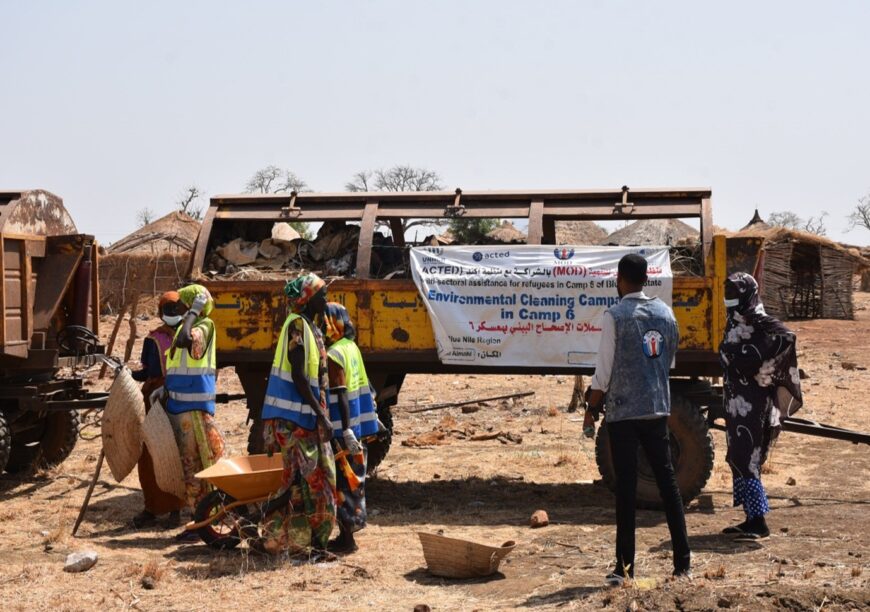
Environmental cleaning campaign conducted with the support of national partner MOD in Camp 6 (Ethiopians refugee camp) in Blue Nile state on April 17th, 2024
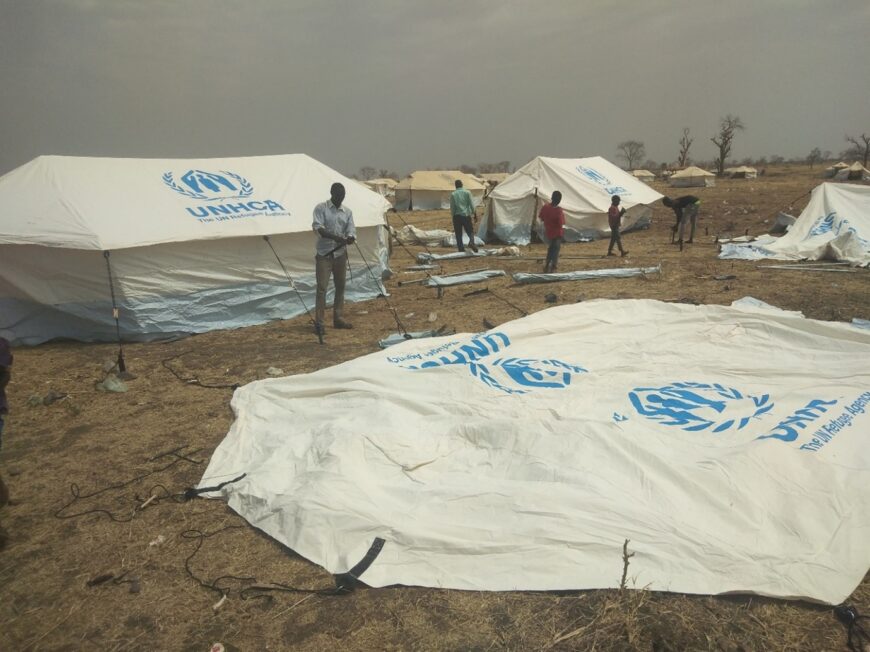
Acted staff pitching tents for Ethiopian refugees in Camp 6, Blue Nile state, on April 22nd, 2024