Present in Sri Lanka since 2005, Acted works alongside communities and institutions to address the interconnected challenges of poverty, climate vulnerability, and social exclusion. Combining humanitarian response with long-term development and environmental action, Acted supports inclusive livelihoods, disaster risk reduction, climate resilience, and civil society strengthening. Through community-led approaches, innovative financing and market systems support, and evidence-based analysis, Acted helps vulnerable populations recover from crises while building sustainable futures. All interventions contribute to Acted’s global 3ZERO vision: Zero Exclusion, Zero Carbon, and Zero Poverty.
Sri Lanka continues to confront intertwined socio-economic and environmental crises. After a prolonged economic downturn and persistent poverty, the country was struck by Cyclone Ditwah in late November 2025, triggering widespread flooding, landslides and one of the most severe weather-related disasters in recent history, displacing hundreds of thousands and damaging infrastructure, homes and livelihoods across all 25 districts. The disaster underscored climate vulnerability, gaps in preparedness and acute risks to biodiversity and coastal systems. These overlapping shocks intensify humanitarian needs and highlight the urgency of resilient recovery, climate adaptation, disaster risk reduction and inclusive livelihoods support.
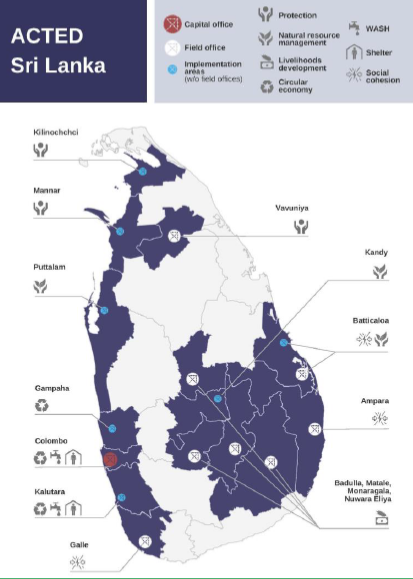
Acted in Sri Lanka
3ZERO in Sri Lanka
In Sri Lanka, Acted is strategically positioned to address intersecting humanitarian, development and environmental challenges.
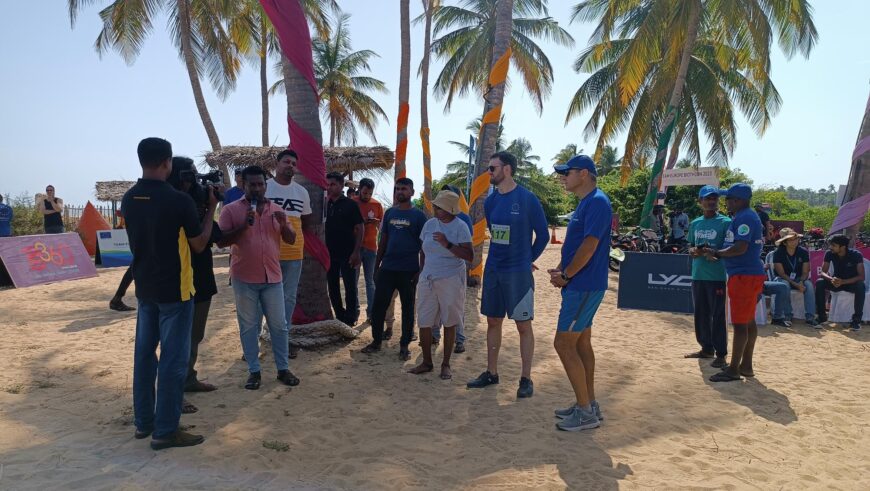
Zero Exclusion is addressed by strengthening institutions and civil society, with a growing focus on coastal areas through the OCEANS programme, which tackles poverty, gender inequality and climate vulnerability among marginalised fishing communities. Together, these integrated actions support a more inclusive, resilient and sustainable future for Sri Lanka.
Zero Carbon is a core pillar of Acted’s work, notably through circular economy approaches in the plastics value chain, including EU-funded innovation initiatives and the Coca-Cola Foundation, supported project scaling up solid waste management and plastic reduction in Galle District.
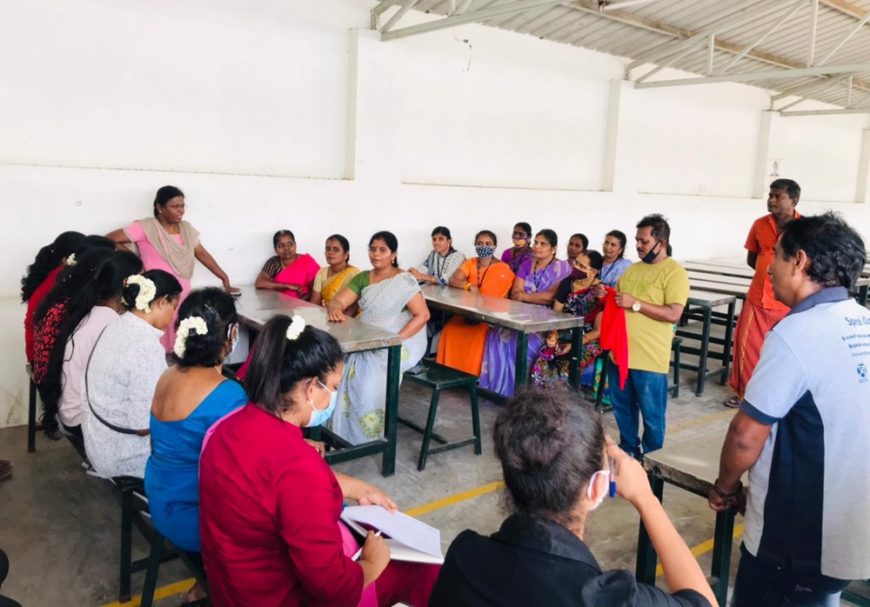
Zero Poverty is advanced by strengthening inclusive economic opportunities and local market systems, supporting MSMEs and green jobs, and improving resilience to economic and climate shocks.
To accelerate innovation and systems change, Acted implements flagship initiatives that translate the 3ZERO vision into practical, scalable solutions. In Sri Lanka, this includes piloting circular economy models within the plastics sector and testing new partnerships with the private sector and local authorities to reduce environmental impact while creating inclusive economic opportunities. Through platforms such as the 3ZERO House, Acted supports experimentation, blended approaches and cross-sector collaboration, helping successful ideas move from pilots to scale. These initiatives strengthen locally driven, climate-positive solutions that can be replicated beyond project locations.
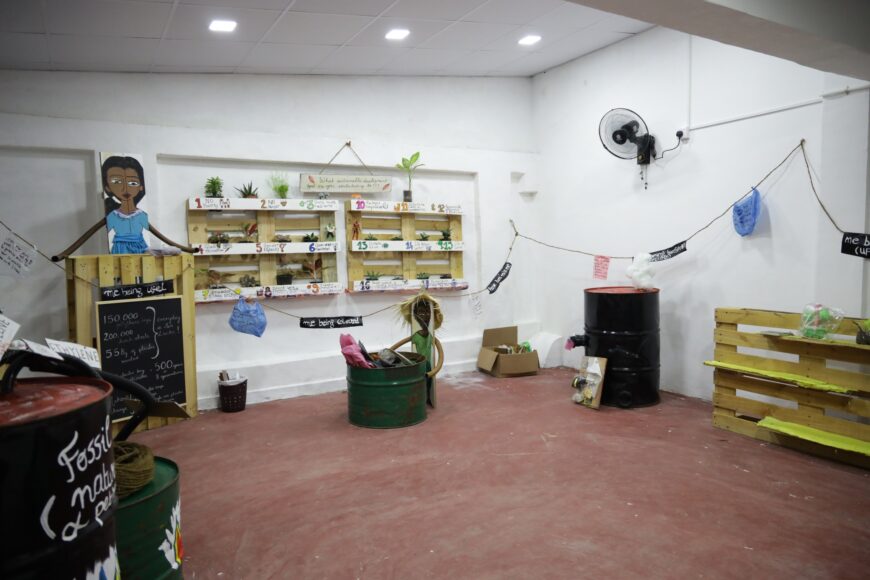
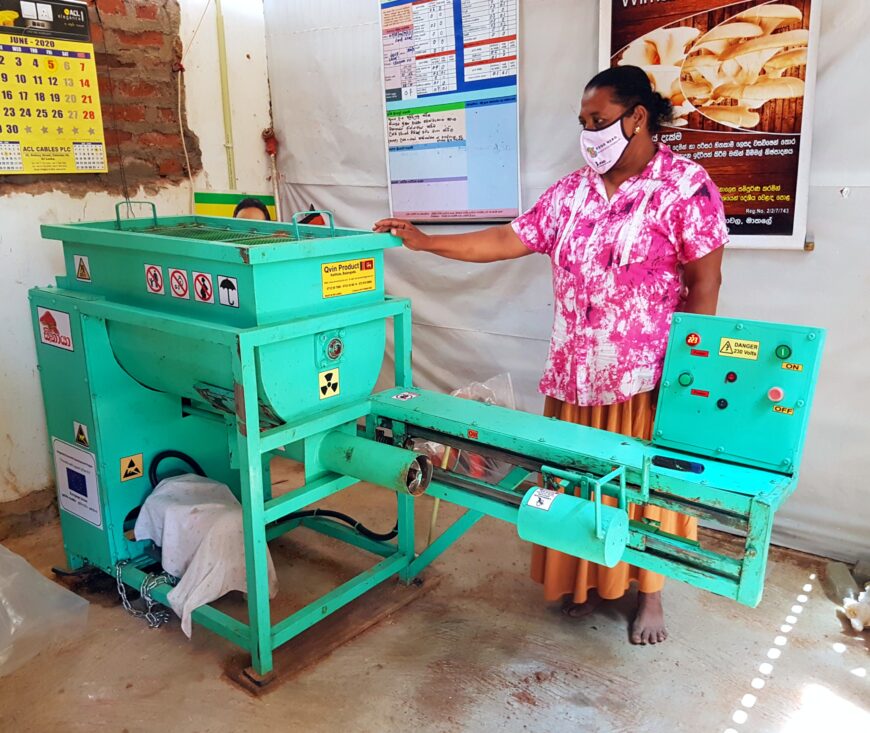
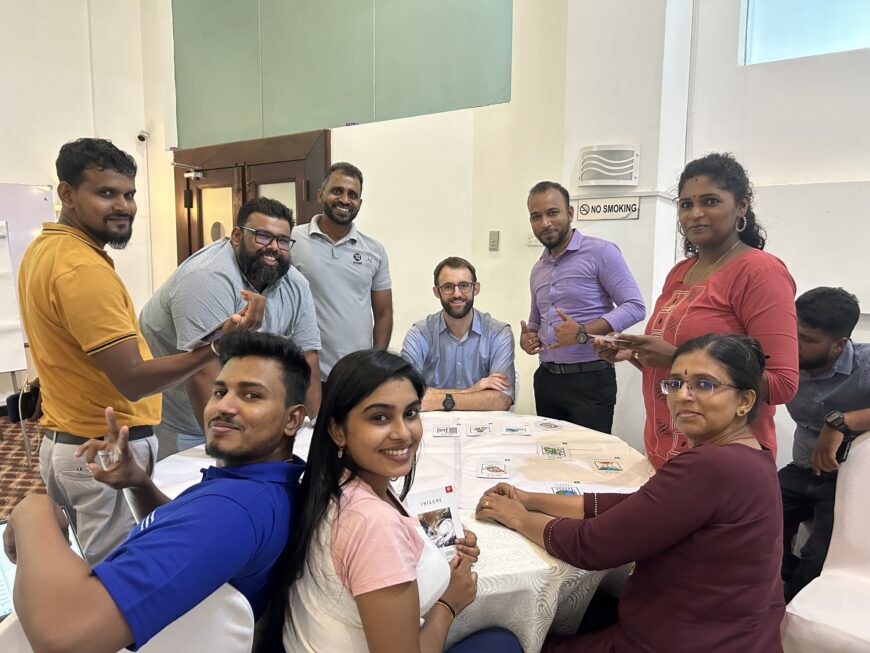
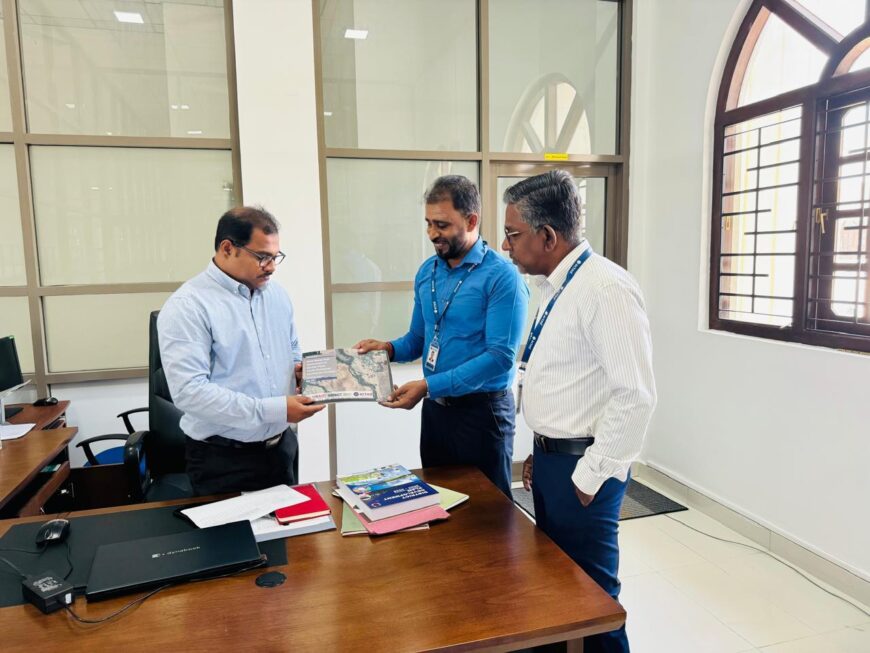
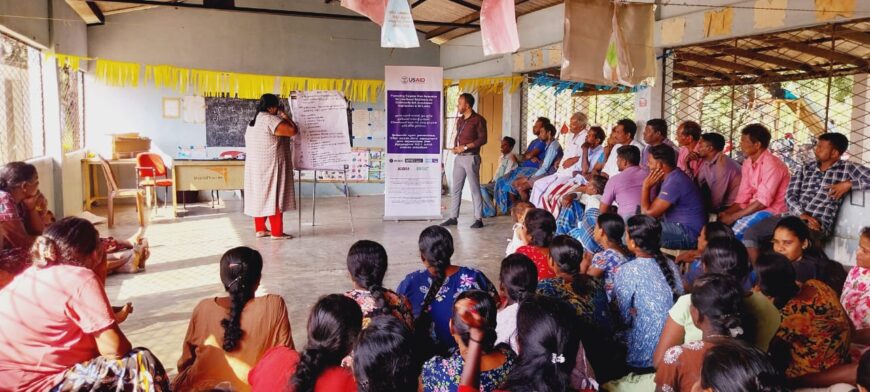
PLASTICS: Promoting Long-term Approaches for a Sustainable, Transformative and Inclusive Circular Economy in Sri Lanka
Download
Newsletter Sri Lanka July to December 2021
Download
Acted Sri Lanka - Country Strategy
Download
Project Brief: Anticipatory Response for South West Monsoon Flooding
DownloadProject Brief: Integrated Economic Development of Central and Uva Provinces of Sri Lanka
DownloadProject Brief: Water, Agriculture, Livelihoods and Knowledge (WALK)
DownloadProject Brief: Strengthening Cooperation Between Civil Society and Government for Effective Inter-religious Collaboration in Sri Lanka
DownloadProject Brief: Speak Out: Tackling Gender Based Violence against female garment workers in Sri Lanka through civil society engagement
DownloadProject Brief COLIBRI: Community Livehood and Biodiversity Recovery
Download