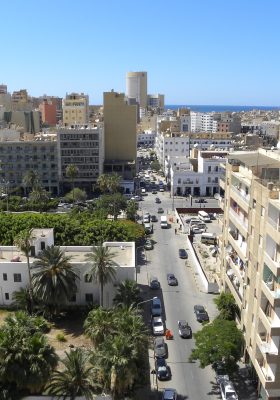
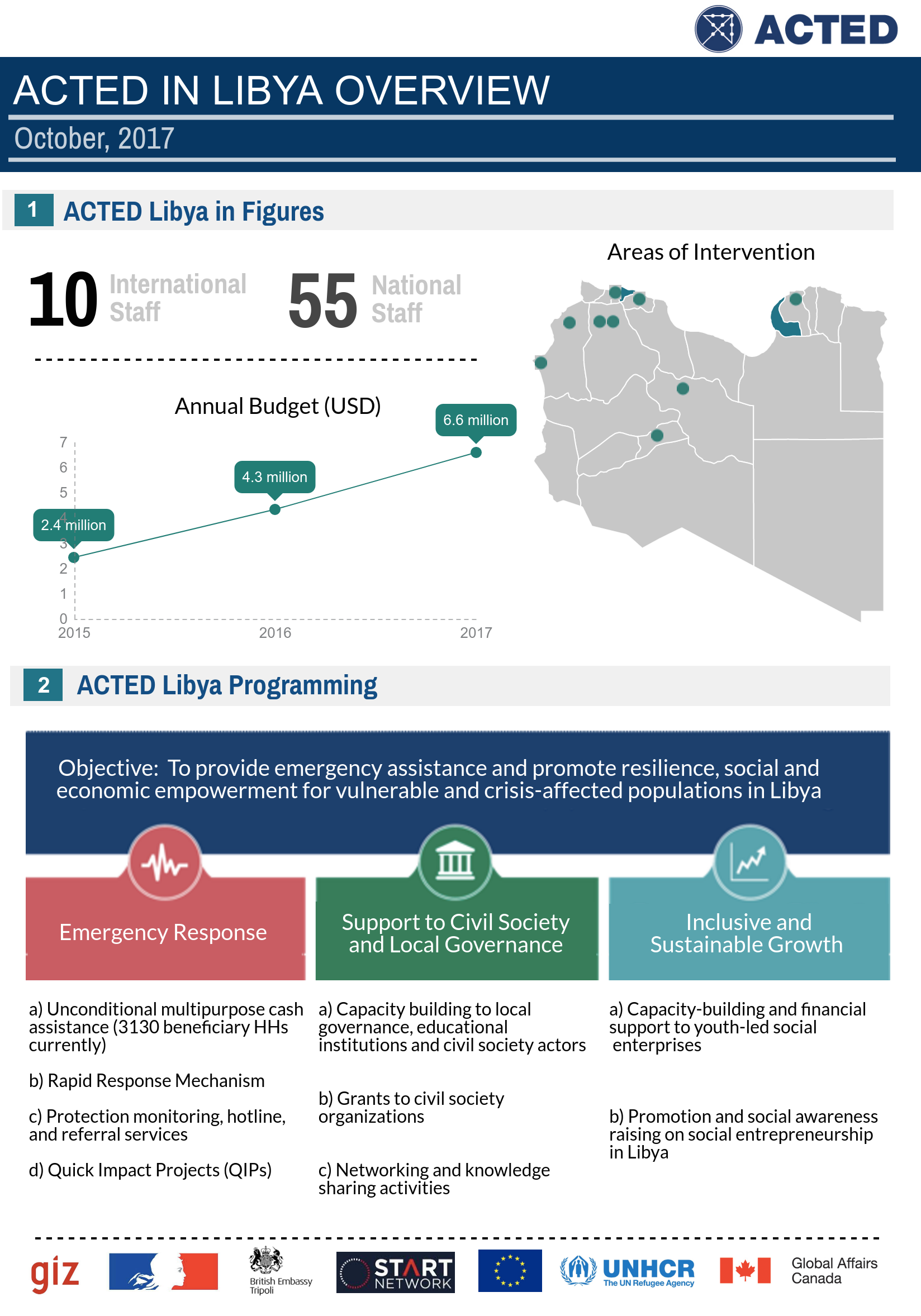
Acted has been present in Libya since 2011 and currently has four offices in Libya, located in Tripoli, Benghazi, Sebha and Derna, as well as a supporting office in Tunis. With the aim to provide humanitarian relief while contributing to long-term stability and sustainability, Acted operates in multiple sectors of intervention ranging from Water, Sanitation, and Hygiene (WASH), protection, shelter, cash, education, and infrastructure rehabilitation, to strengthening civil society and micro, small, and medium-sized businesses (MSMEs), as well as promoting circular economy initiatives.
For over a decade, Libya has faced prolonged conflict and a significant governance crisis. Following the 2011 revolution and the fall of Gaddafi, the country experienced a civil war from 2014 to 2020, resulting in a division between East and West Libya. The fragmentation and instability have hindered infrastructure development, limited social support for vulnerable communities, created barriers for civil society, and diminished social cohesion. Libya is exceptionally vulnerable to climate change impacts and as one of the world’s most arid nations it grapples with severe water shortages exacerbated by extensive desertification. The devastating floods that hit northeastern Libya in September 2023 cause widespread destruction, further exacerbating challenges in the region. Libya continues to be a key transit country for migrants, refugees, and asylum seekers. Over 800,000 individuals in Libya are estimated to need humanitarian assistance.
Acted in Libya
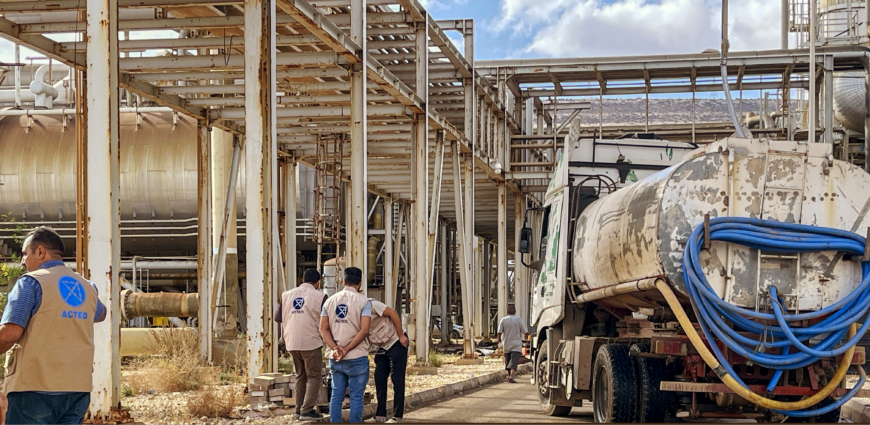
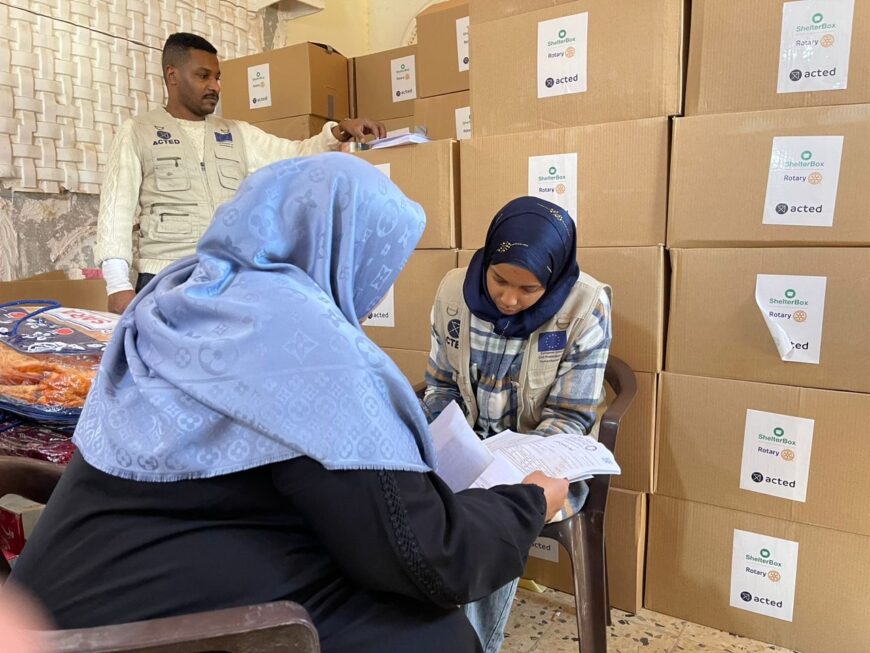
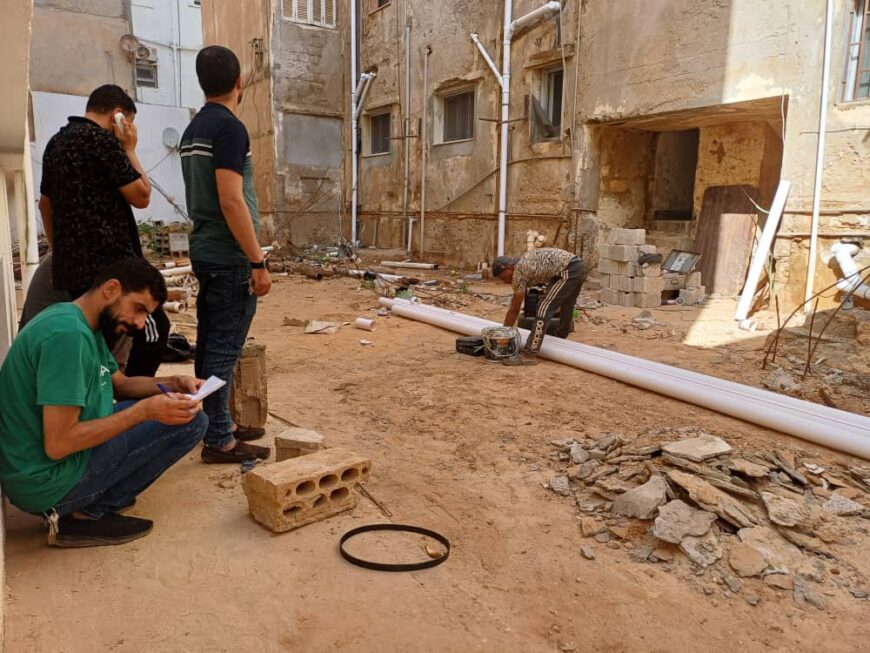
Aligned with the 3ZERO Strategy, the Libya mission is focused on strengthening institutions and civil society, fostering inclusive and green economic opportunities, while continuing to reinforce a protection environment to the most vulnerable and provide a multi-sectorial assistance and basic services. Aiming to provide immediate humanitarian relief to conflict and disaster affected populations, Acted engages in rehabilitation of public infrastructure and social protection measures including provision of general protection and child protection services, education, wash, shelter and multi-purpose cash assistance. In parallel, Acted rely on its strong experience in empowering the civil society across Libya for more than a decade and provide services including capacity building, granting, mentoring, coordination and networking through its Resource Centres. Acted will further its efforts through the establishment of a 3ZERO House in Benghazi in 2025. Moreover, Acted drives economic growth and strengthens livelihoods by supporting micro, small, and medium-sized businesses and green initiatives including climate-smart agriculture and circular economy initiatives. Acted works closely with the affected populations, implementing partners, and other key stakeholders such as local authorities to deliver its projects.
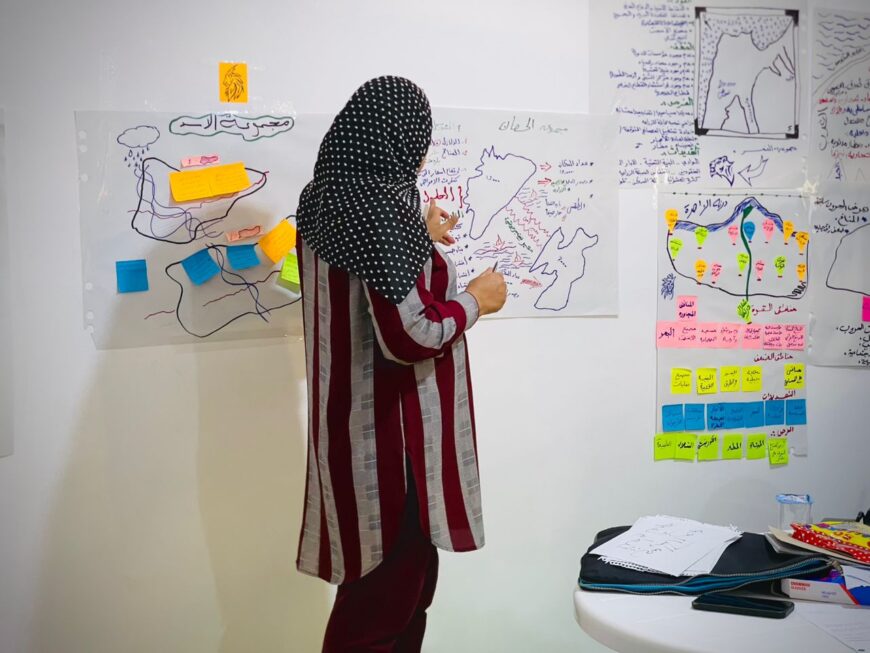
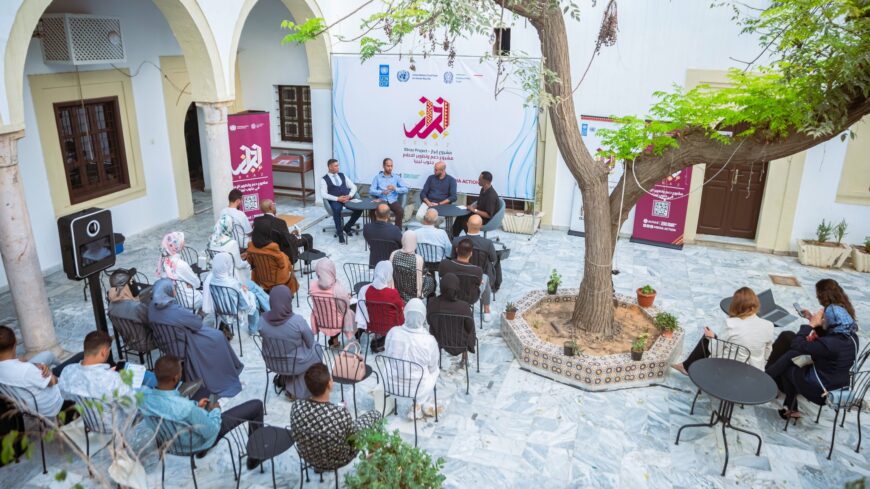
Acted is implementing two flagship programmes in Libya:
- The Grassroots Organisation Capacity Assessment (GOCA) is used to identify capacity building needs, guide technical support interventions, and monitor and evaluate the impact of capacity building support.
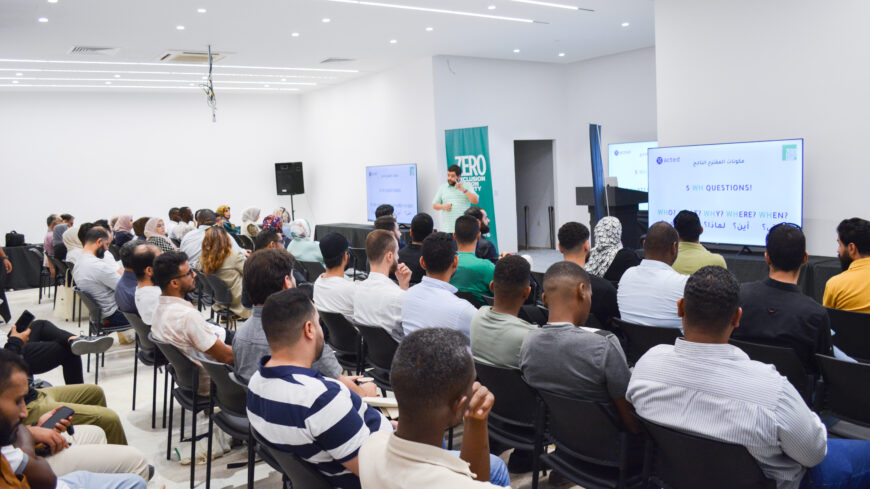
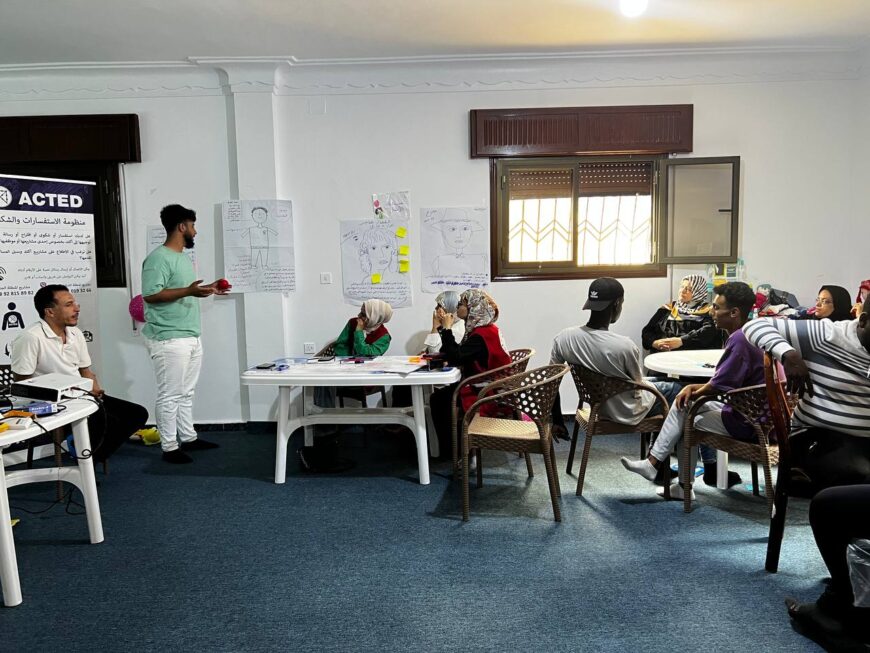
- Resource Centres providing CSOs with opportunities to network, attend workshops and trainings, and build the capacity of their organisations. The aim is to transition the Resource Centers to 3ZERO Houses that will serve to multiply and accelerate partnerships, innovations, and solutions by local actors. In 2025, the Resource Center in Benghazi will be transformed to Libya’s first 3 ZERO House.