Operational since 2007 and present in 5 prefectures of the Central African Republic, Acted continues to implement emergency projects with the Rapid Response Mechanism, mainly in the South-East of the country (Ouaka, Basse-Kotto, Vakaga, Mbomou and Haut-Mbomou prefectures), while supporting the transition from responding to humanitarian needs to developing sustainable solutions for the most vulnerable people.
Acted is present in the Central African Republic (CAR) in response to a complex humanitarian crisis marked by armed conflict, massive population displacement and extreme poverty. Since 2013, violence and insecurity have destabilised the country, resulting in millions of displaced people and acute food insecurity. The country, one of the poorest in the world, faces destroyed infrastructure and fragile governance, making access to basic services extremely limited.
Between December 2019 and December 2020, the situation in the CAR deteriorated further with the appearance of Covid-19, exacerbating an already fragile context. This was compounded by an upsurge in violence linked to the post-election conflicts, particularly in the south-east of the country. Movements by armed forces and rebel groups forced NGOs, including Acted, to limit their activities to areas accessible by UNHAS flights, particularly affecting the prefectures of Ouaka, Basse-Kotto and Mbomou. More than half of the sub-prefectures were exposed to shocks in 2023, including natural disasters, with flooding being the most frequent, and the rainy seasons continuing to slow down infrastructure construction and rehabilitation projects by making roads impassable.
However, in 2024, there will be a paradigm shift, with an estimated 2.8 million people in need of humanitarian assistance, a reduction of 17% compared to 2023. This significant decrease can be explained by the fact that the Humanitarian Needs Overview 2024 distinguishes between humanitarian needs and structural needs. However, the number of internally displaced persons (IDPs) remains at the same level as during periods of acute crisis, with 521,857 IDPs, a figure that has been rising steadily since January and exceeds the estimates made.
To meet the basic needs of local populations, while contributing to sustainable socio-economic development, Acted operates within the framework of three programmatic pillars:
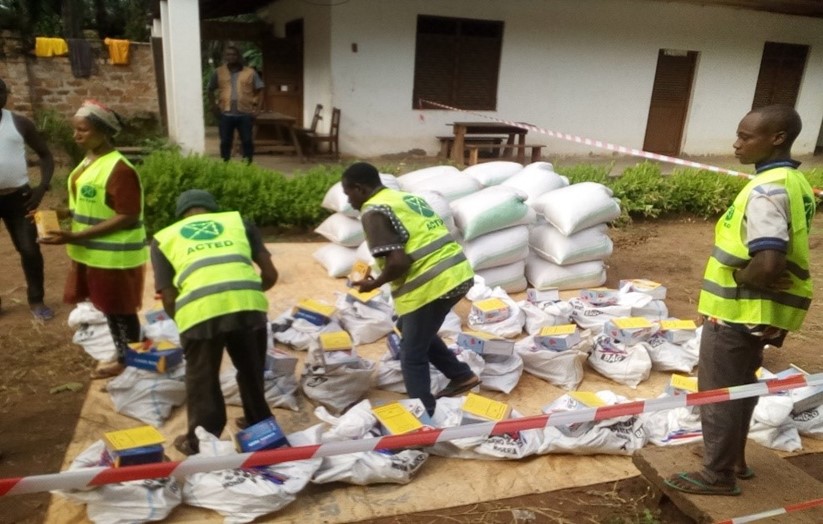
- Emergency humanitarian response: Providing essential assistance in terms of water, hygiene and sanitation (WASH), shelter and non-food items (NFIs) to vulnerable populations, while maintaining a humanitarian watch by issuing alerts on incidents and natural disasters (flooding), as well as carrying out assessments.
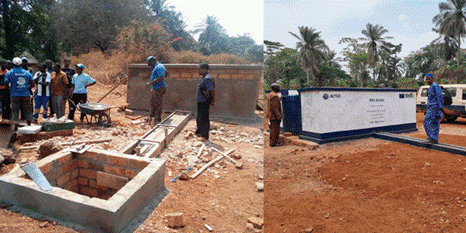
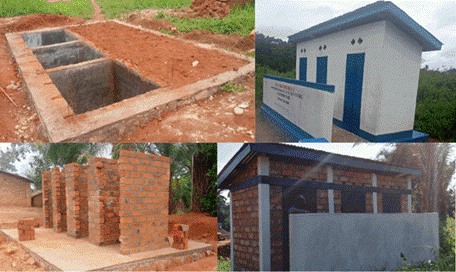
- Rehabilitating infrastructure: Restoring key infrastructure, such as roads, bridges, water points and sanitation facilities, to open up isolated areas, facilitate humanitarian access and improve health and education services.
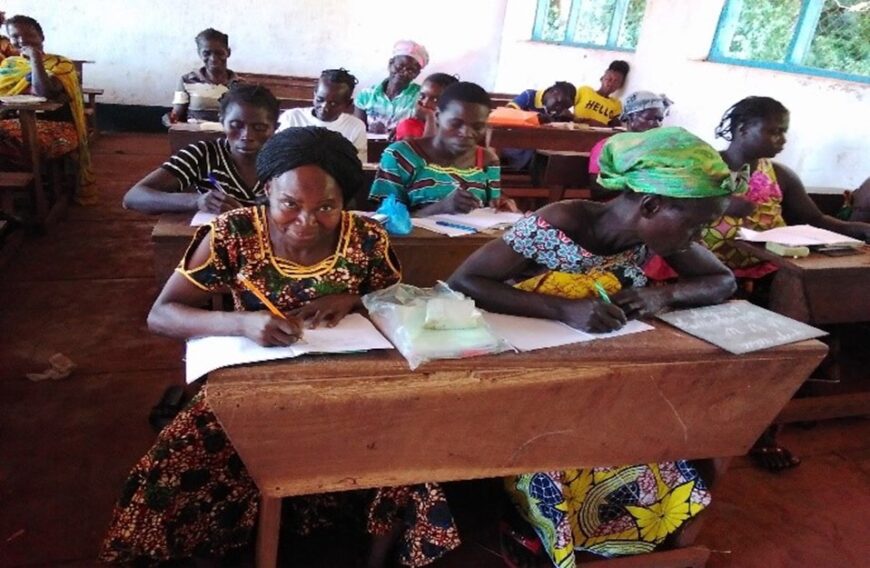
- Strengthening resilience: Carrying out projects in camps for displaced people (CCCM, WASH, NFI), working with vulnerable people, strengthening livelihoods and working with local authorities by providing training to support the integration of long-term objectives in communities.
Acted in the Central African Republic
Since 2007, Acted has positioned itself in the Central African Republic as a key player, aligned with its 3ZERO vision (zero exclusion, zero poverty, zero carbon) by responding to several major challenges, including extreme poverty, food insecurity, conflict and population displacement, as well as limited access to essential services. Through its emergency humanitarian response, Acted provides vital water, sanitation and shelter assistance to vulnerable populations, while ensuring that other humanitarian actors are alerted to critical situations. By rehabilitating infrastructure, the organisation is restoring roads and sanitation facilities (water points, latrines and showers), thereby facilitating access to healthcare and education, while opening up isolated areas. Finally, by strengthening community resilience, Acted supports livelihoods and builds the capacity of local authorities to deliver sustainable solutions. These three pillars enable Acted to tackle humanitarian and development challenges in a fragile context in an integrated and effective manner.
AGORA
Acted is using the AGORA approach, a joint initiative with IMPACT Initiatives, to respond to humanitarian and development challenges in CAR via a NEXUS approach. These partners have helped to develop and implement Local Recovery Plans in 18 towns in the South East. In 2023, Acted met with local authorities, who welcomed the progress made and encouraged continued efforts, particularly around the 2024 Annual Work Plan focusing on decentralisation.
Current projects
Bangui, plans for future
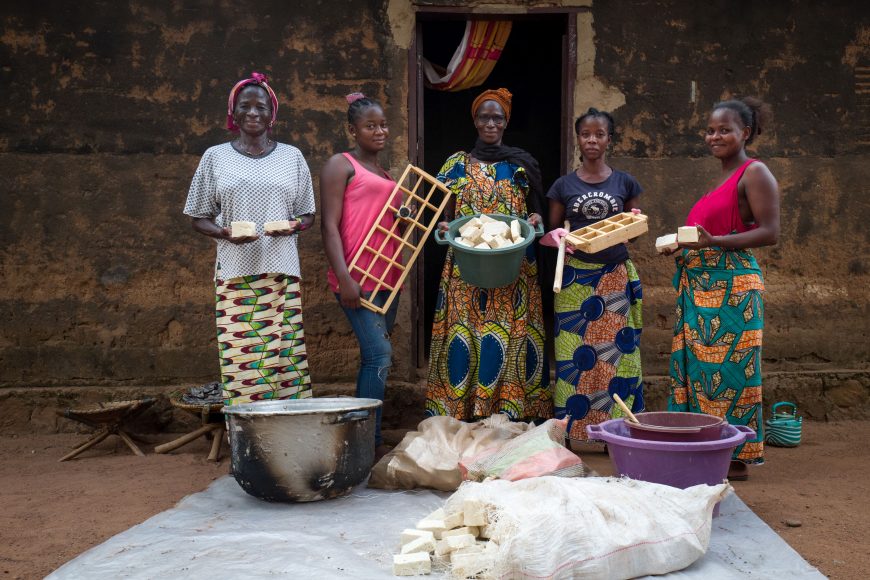
©Gwenn Dubourthoumieu for ACTED CAR
The members of the NGO "Women Moumine of Central Africa" are posing in front of their workshop located in the Yassara district of Bangui, capital of the Central African Republic, on January 27, 2018. They manufacture and sell soap, and benefit from the economic revival program set up by the NGO ACTED to help economic actors and revitalize neighborhoods affected by violence between Christian and Muslim communities since 2013.
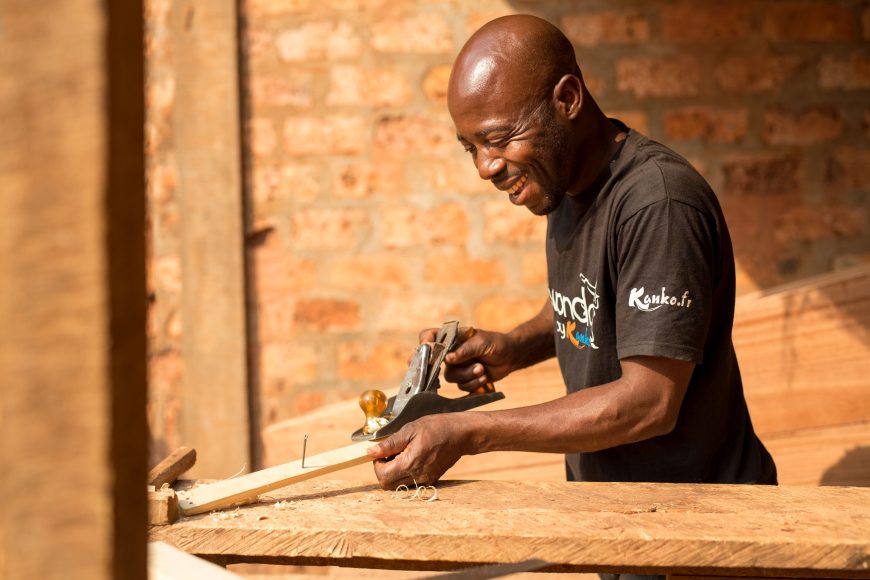
©Gwenn Dubourthoumieu for ACTED CAR
Stéphane Madiko, president of the « Groupement des Jeunes Menuisiers du Quartier Sara Blagué » is working in his workshop in Bangui, capital of the Central African Republic, on January 27, 2018. He benefits from the economic revival program set up by the NGO ACTED to help economic actors and revitalize neighborhoods affected by violence between Christian and Muslim communities since 2013.
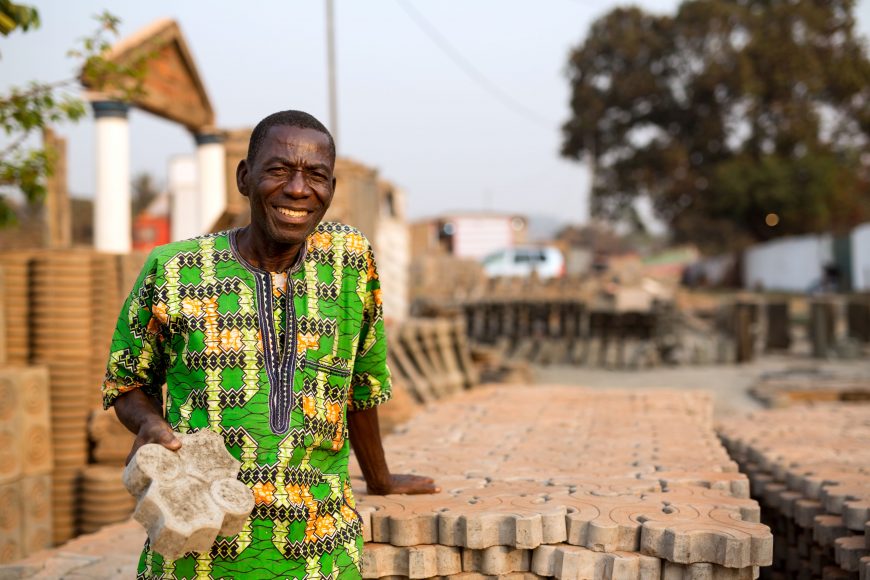
©Gwenn Dubourthoumieu for ACTED CAR
René Ngassa, owner of the Modern Brickworks of Central Africa (BMC), is posing in his company located in the Banga 1 district of Bangui, capital of the Central African Republic, on January 27, 2018. He benefits from the economic recovery program set up by the ACTED NGO to help economic actors and revitalize the neighborhoods affected by violence between Christian and Muslim communities since 2013. "Thanks to ACTED, my business works better. My production has increased by 50%: from 10 bags of cement a day, I went to 15! Previously, I was driving my company at sight. From now on, I hold an accurate bookkeeping ".
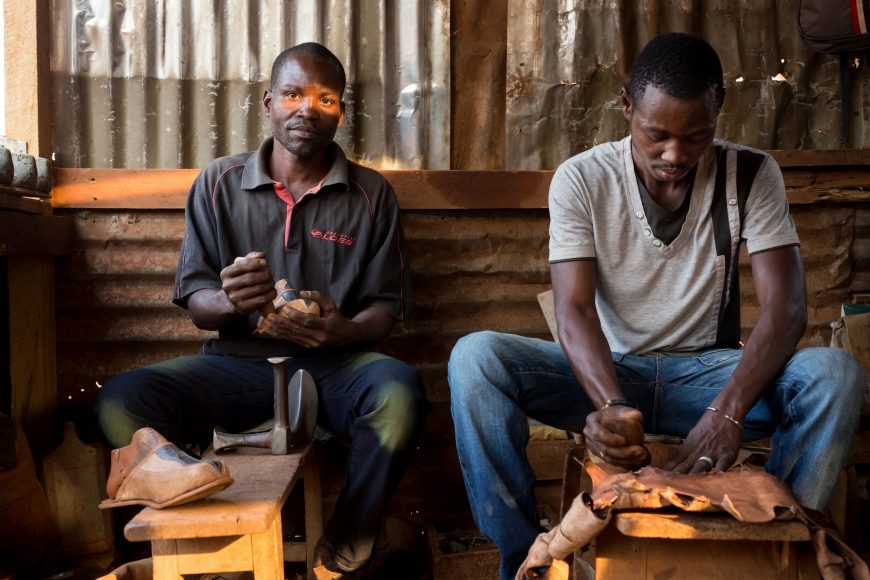
©Gwenn Dubourthoumieu for ACTED CAR
Cyril Yamengue (L) and Juvenal Simago (R), members of the Leather Crafts Association in Central Africa, are working in their workshop located in the Bandagbi district of Bangui, capital of the Central African Republic, on January 27, 2018. They benefit from the economic revival program set up by the NGO ACTED to help economic actors and revitalize neighborhoods affected by violence between Christian and Muslim communities since 2013.
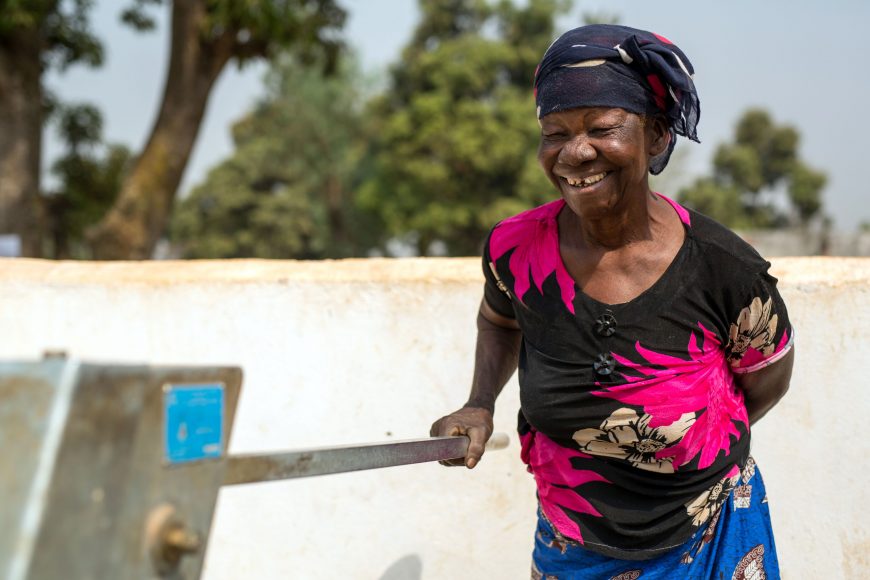
©Gwenn Dubourthoumieu for ACTED CAR
A woman is drawing water from a well built by the humanitarian NGO ACTED in the "citée Dameka" neighborhood of Bangui, capital of the Central African Republic, on January 27, 2018. This district, like many others, had been completely destroyed and emptied of these inhabitants in December 2013 during clashes between Christian and Muslim communities.
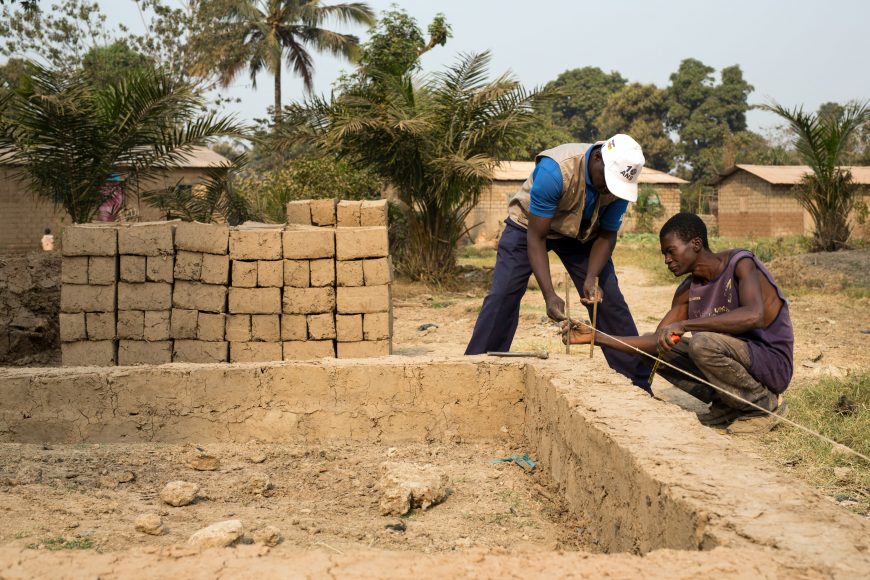
©Gwenn Dubourthoumieu for ACTED CAR
Jules Ngama, 40, is rebuilding a house, with the help of an ACTED employee, in the "citée Dameka", a district of Bangui, capital of the Central African Republic, on January 27, 2018. "I am a mason and I rebuilt my house thanks to ACTED. On December 5, 2013, my house was destroyed, I left everything behind me and lost everything. Having no weapons to defend myself, I just had time to gather my wife and my 5 children. For 3 years, we survived thanks to the help of NGOs in an IDP camp near the airport. In 2016, ACTED gave me all the equipment I had lost, needed to rebuild my house, and I was finally able to come back home. Since then, I work as a mason for ACTED, and I help my neighbors rebuild their homes. Last year, I built 15 houses, and this year it is the 4th”
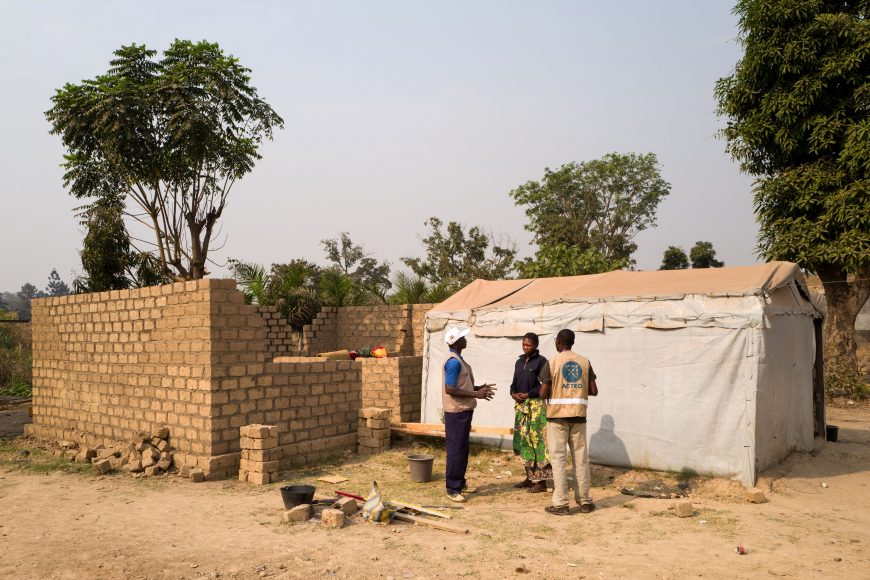
©Gwenn Dubourthoumieu for ACTED CAR
ACTED employees are speaking with a beneficiary of their reconstruction program in the district "citée Dameka" of Bangui, capital of the Central African Republic, on January 27, 2018. This neighborhood, like many others, was completely destroyed and emptied of these inhabitants in December 2013 during clashes between Christian and Muslim communities. ACTED has been helping residents of these neighborhoods rebuild their homes since January 2015.