Acted has been operating in Pakistan since 2005, responding to major humanitarian crises while supporting sustainable and inclusive development with a strong presence in Punjab, Khyber Pakhtunkhwa, Sindh, Balochistan and Gilgit-Baltistan. Acted’s added value lies in its integrated and innovative approach, bridging emergency response, resilience building, and long-term development through multi-sector programming grounded in deep local knowledge and strong community engagement.
In Pakistan, Acted is recognised for bridging humanitarian action, development, and climate adaptation, guided by its 3ZERO vision - Zero Exclusion, Zero Carbon, and Zero Poverty, to promote inclusion, environmental sustainability, and lasting economic resilience.
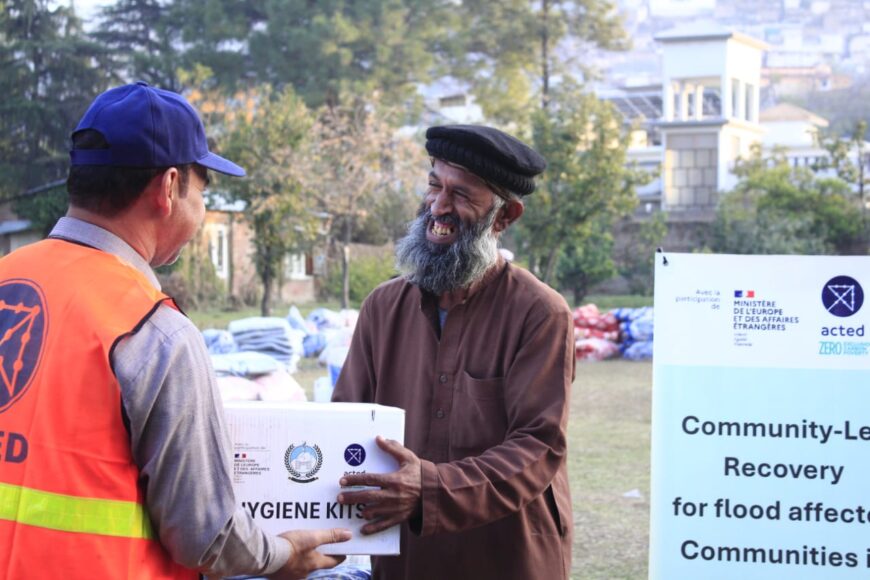
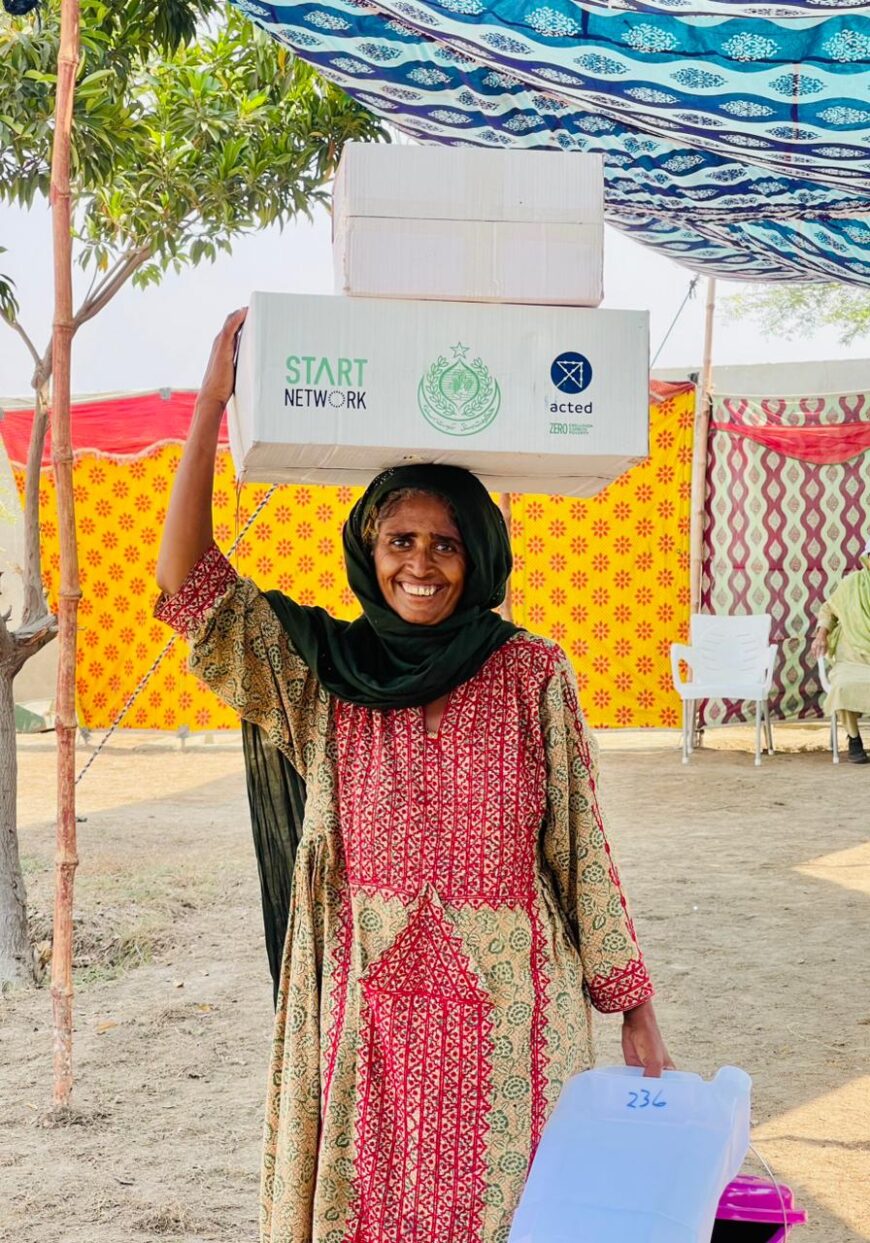
Pakistan faces severe humanitarian and climate pressures, with widespread food-insecurity affecting 37%of population and inflation eroding livelihoods. It ranks among the world’s most climate-vulnerable nations, hit by catastrophic floods, droughts and extreme weather that displace millions and undermine development gains. The recent 2025 floods affected millions, displaced over 2 million people, damaged homes, infrastructure, farmland, and generated urgent needs in shelter, WASH, health, and FSL. These intersecting crises humanitarian needs, poverty, climatic shocks and environmental degradation justify an integrated response blending relief, resilience, and sustainability. Acted’s presence supports urgent needs while strengthening community resilience, climate adaptation and inclusive development.
Acted in Pakistan
3ZERO in Pakistan
Acted’s strategy is guided by its global 3Zero vision — Zero Exclusion, Zero Carbon, Zero Poverty — promoting social inclusion, climate action, and sustainable development. In Pakistan, the organisation works across Education, Livelihoods, Water and Sanitation, Shelter, Food Security,
and Disaster Risk Reduction, integrating humanitarian response with development and environmental approaches.
Each sector supports the 3Zero pillars: improving access to quality services for vulnerable populations, fostering environmentally sustainable practices, and
strengthening livelihoods to reduce poverty, ensuring that emergency aid builds long-term resilience, local capacities, and social cohesion.
Zero Exclusion
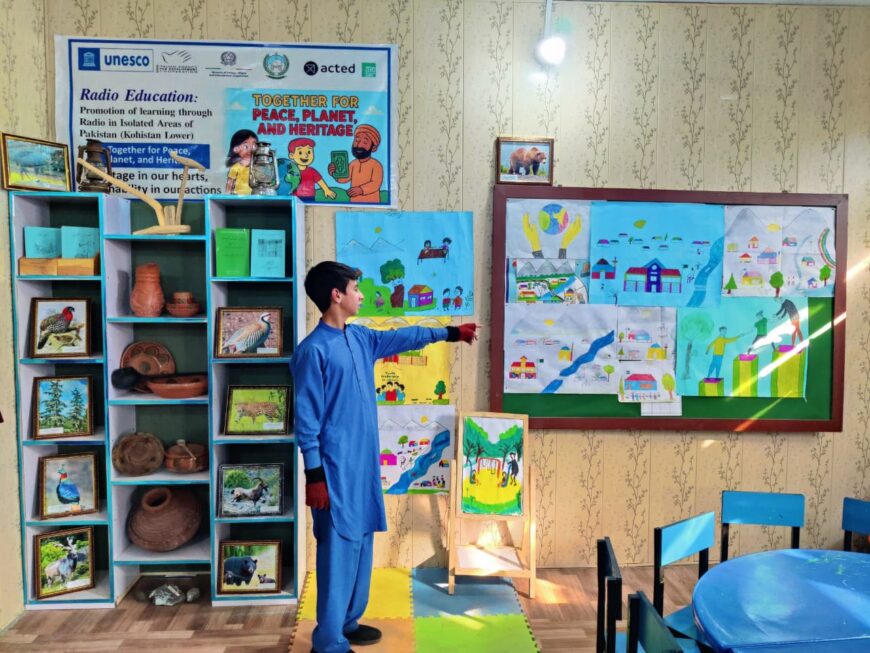
Acted promotes inclusive access to education, especially for girls, refugees, and out-of-school children. Through Accelerated Learning Programmes with local authorities and NGOs, children reintegrate into school while communities are empowered with climate literacy and child protection. Urban resilience is also supported by improving living conditions and essential services in informal and peri-urban settlements, fostering social cohesion and equitable development.
Zero Carbon
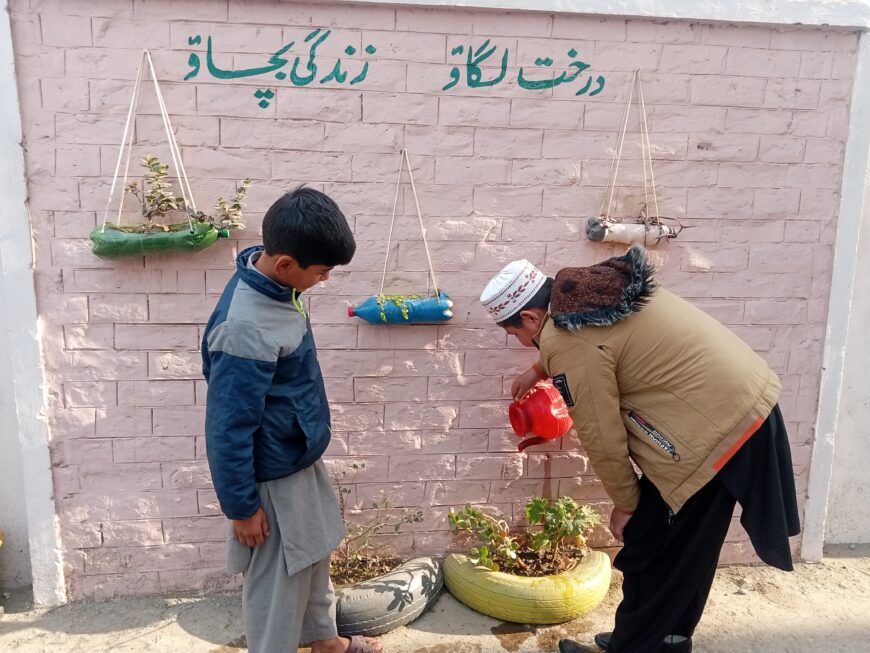
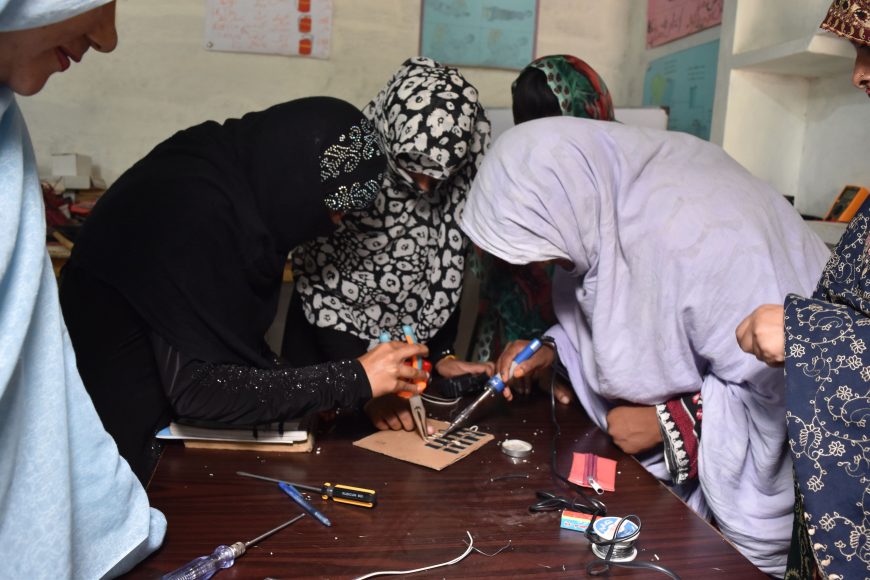
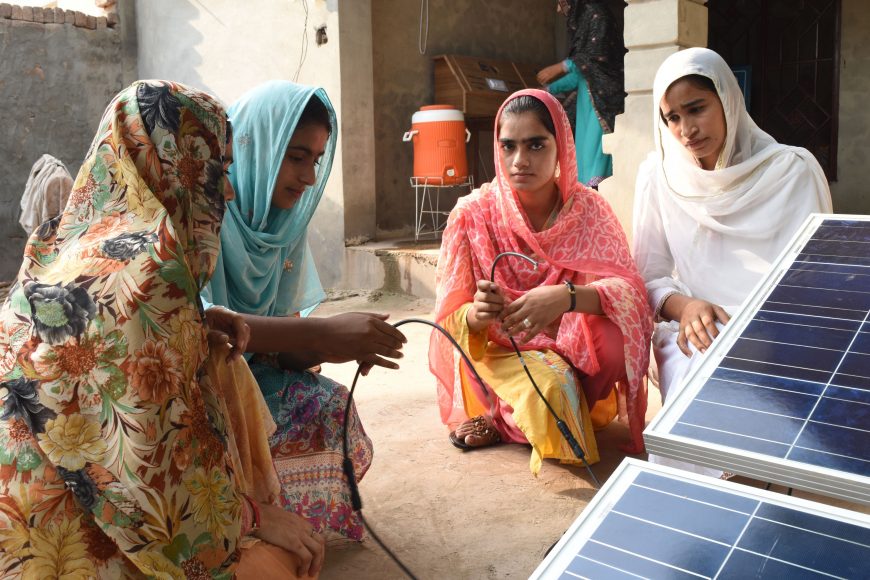
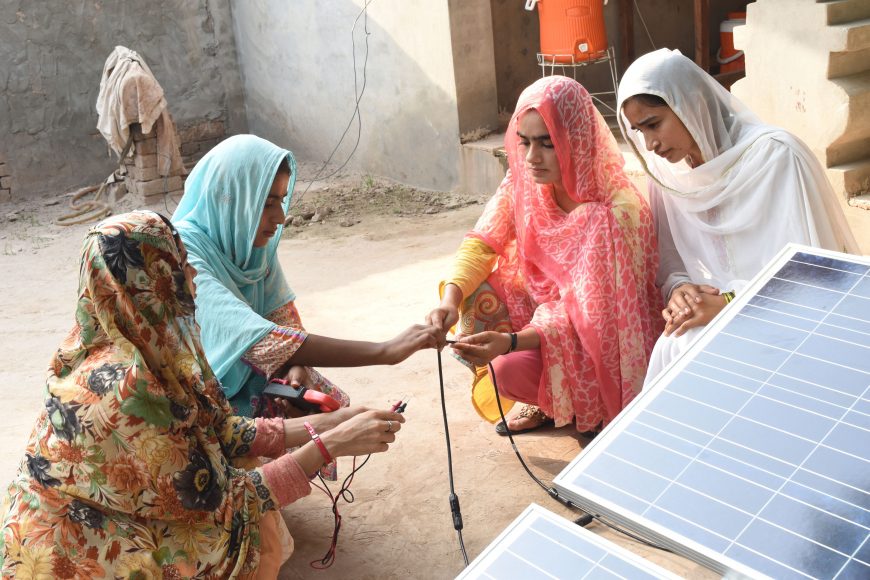
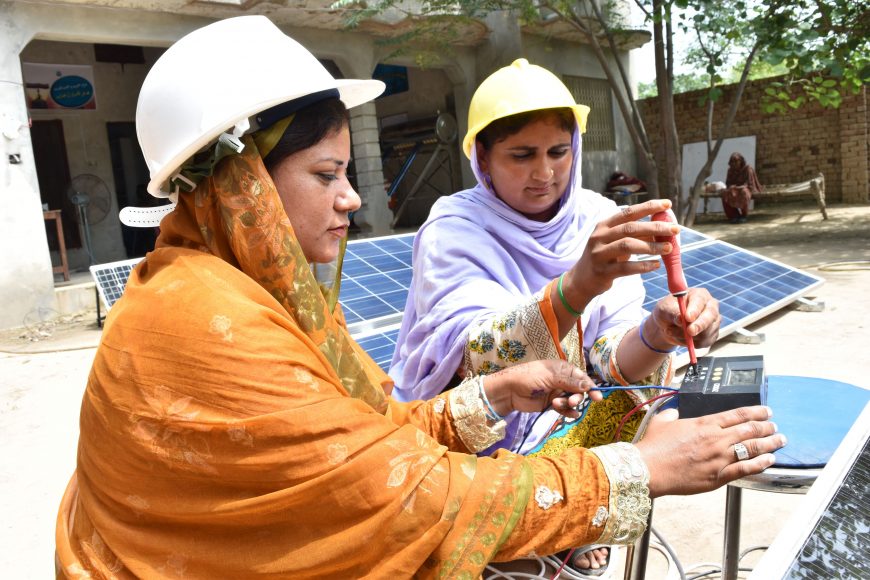
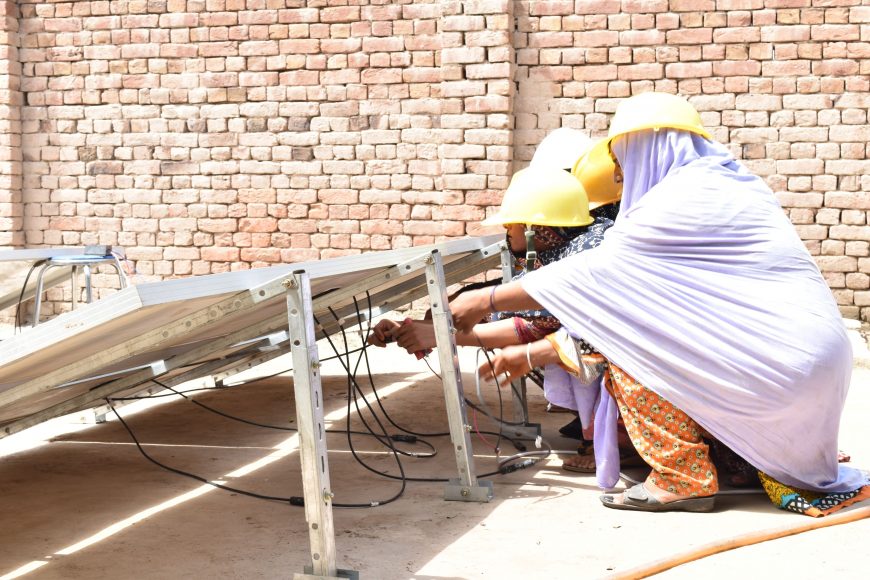
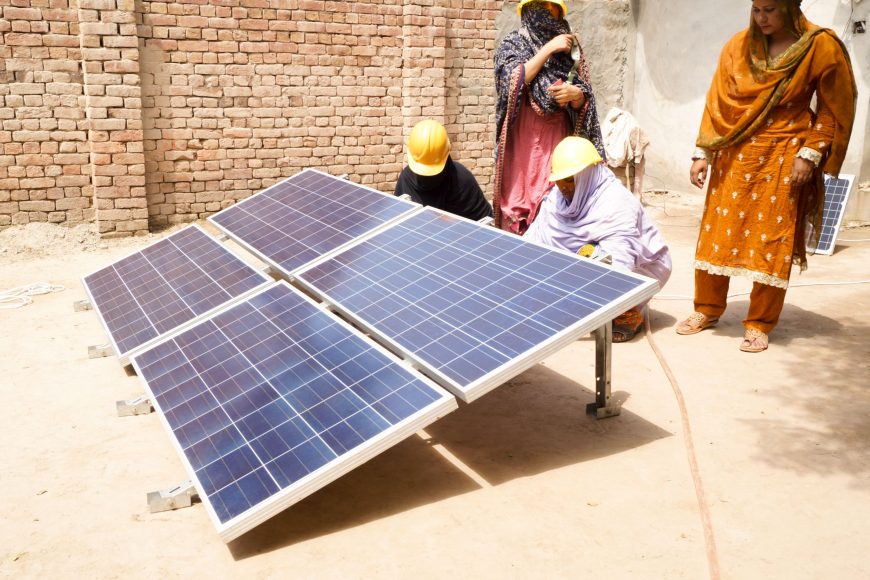
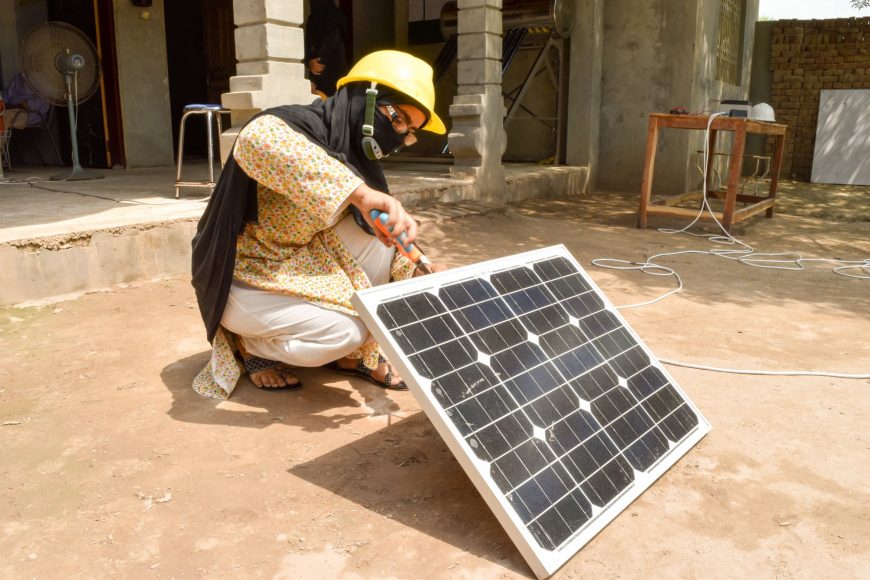
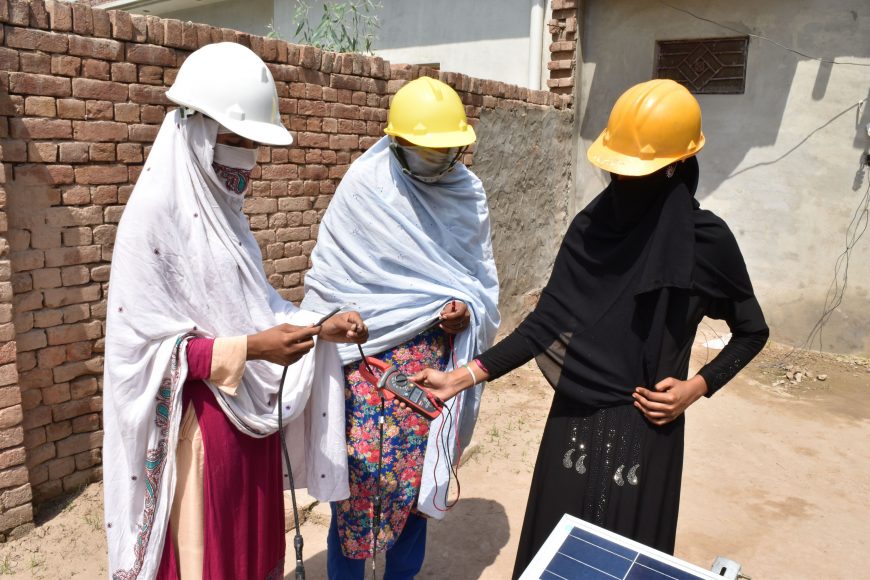
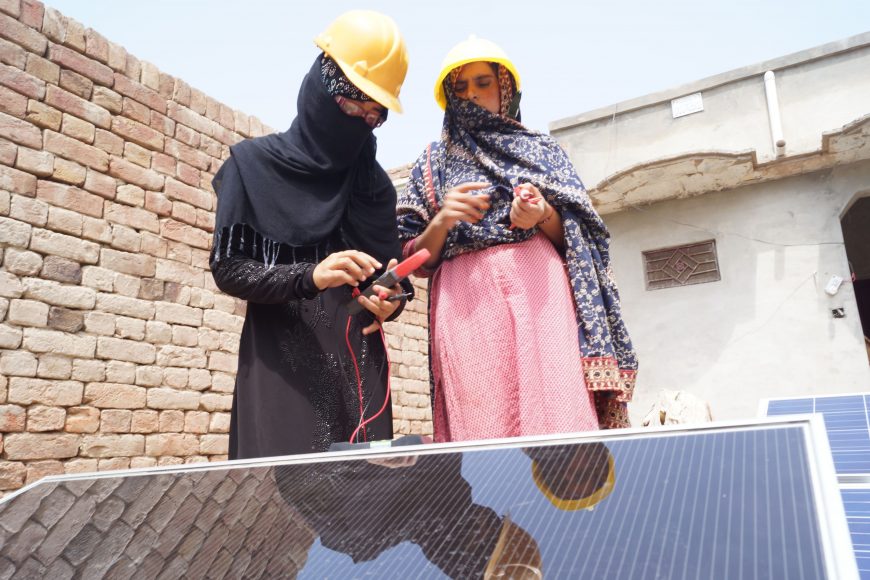
Acted supports climate-smart agriculture, sustainable livestock management, and renewable energy solutions, reducing environmental impact. Circular and green business models are promoted through vocational training and micro-enterprise development, linking livelihoods with environmental sustainability.
Zero Poverty
Acted empowers vulnerable populations through vocational training, market access, and entrepreneurship support. Post-disaster recovery integrates risk reduction, social inclusion.
In Pakistan, Acted advances the 3ZERO strategy through innovative flagship programs and capacity-building initiatives. Through its CATALYST tool, Acted has supported 18 CSOs across the country to strengthen governance, enhance sustainability, and build institutional capacities. This initiative ensures that local actors are empowered to lead in their communities with robust policies and better management practices. Acted integrates climate resilience and environmental sustainability across programmes, addressing immediate needs while promoting long-term social and ecological impacts. Acted Pakistan is preparing to launch the 3ZERO House, a collaborative hub to foster local partnerships, innovations, and solutions advancing a 3ZERO world.
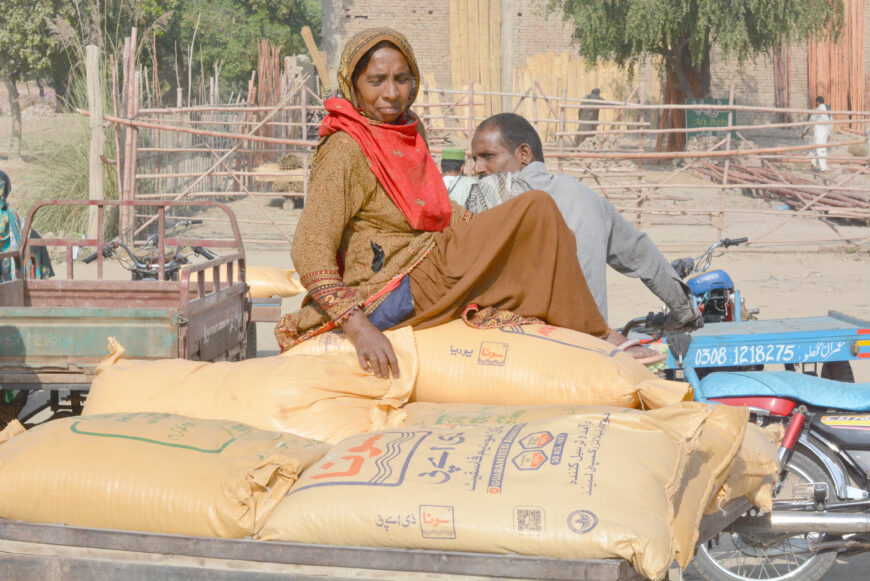
Acted Pakistan - Factsheet
DownloadActed Pakistan - Country Profile
DownloadMap showcasing Acted presence in Pakistan since 2005
DownloadWASH GBV Risk Audit
DownloadShelter Resilience Study 2023
DownloadESE Circular Economy Assessment Report
DownloadCurrent projects
Sustainable solutions for women’s empowerment
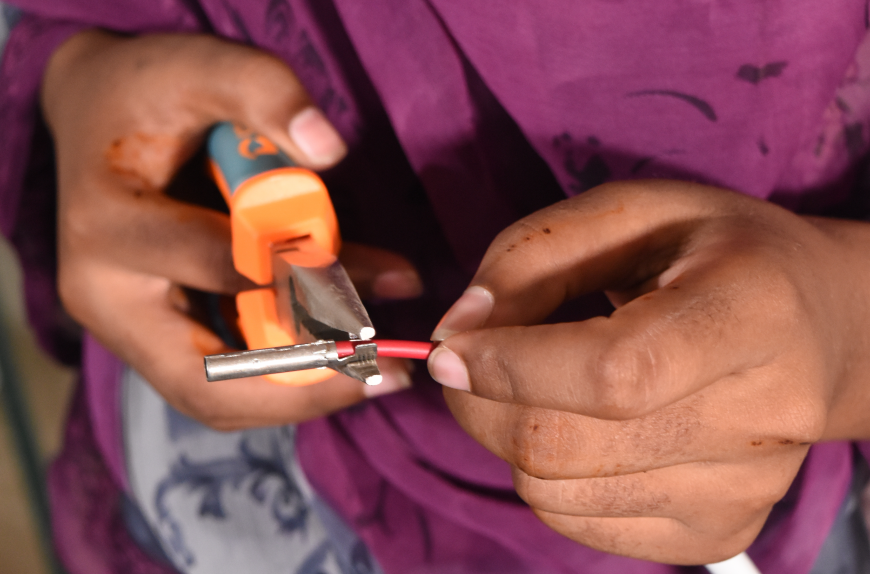
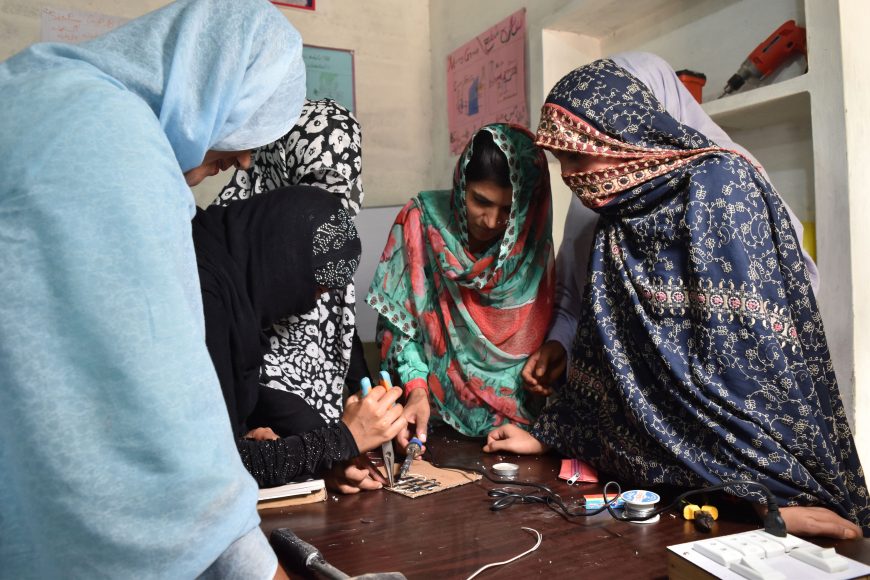
ACTED, 2017
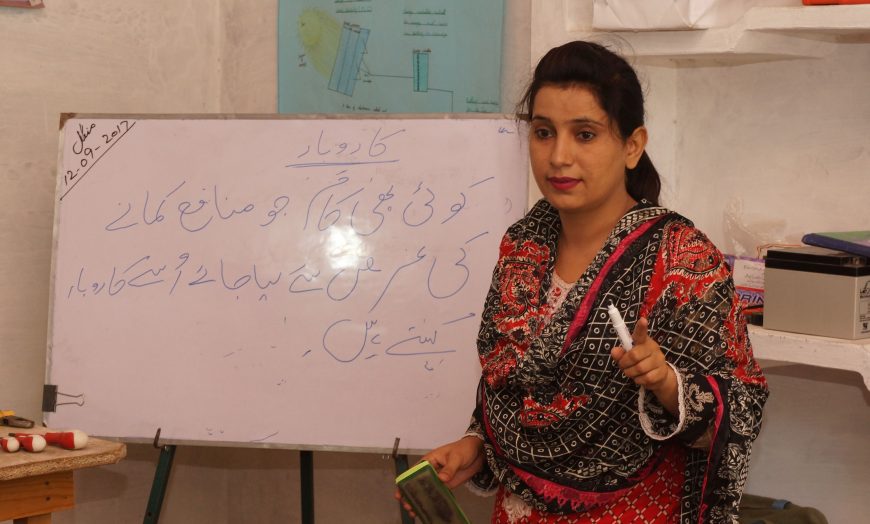
ACTED, 2017
ACTED, 2017
ACTED, 2017
ACTED, 2017
ACTED, 2017
ACTED, 2017
ACTED, 2017
ACTED, 2017
ACTED, 2017