Acted has been registered in Kenya since 2004 to meet the humanitarian and development needs of communities affected by climate shocks, population displacement, or who otherwise struggle to access basic services. Acted has a coordination office in Nairobi but implements the majority of its activities in Arid and Semi-Arid Lands (ASALs) in Northern Kenya, with an office in Maralal (Samburu County). The teams work with local governments and partners to support the most vulnerable households through Water, Sanitation and Hygiene (WASH), food assistance, multi-sectoral cash assistance, land restoration, conflict mitigation, and disaster preparedness programmes. Recently, Acted in Kenya has also taken an active role in programmes looking to preserve biodiversity, counteract the effects of climate change and build local capacity to withstand shocks. Coming soon, Acted will also be opening a 3ZERO House in Nairobi to build partnership with local and global actors who share the 3ZERO goals: Zero Carbon, Zero Exclusion, and Zero Poverty.
Kenya, although home to rich environmental biodiversity, remains at the forefront of the climate crisis. It emerges from the worst drought emergency in 40 years following five consecutive failed rainfall seasons. The Arid and Semi-Arid Lands (ASALs), which comprise over 80% of Kenya’s land, are the most vulnerable to cyclical climate shocks, especially droughts, flooding, and locust plagues. Communities living in the ASALs facing critical humanitarian gaps, such as hunger, disease, and insufficient access to essential resources. As of January 2023, over 2.4 million livestock had died due to drought-related causes, decimating the livelihoods of agro-pastoralists. Additionally, in refugee camps in northern Kenya such as Dadaab and Kakuma, over 70% of inhabitants rely on life-saving humanitarian assistance due to increasing waves of cholera outbreaks and supply disruptions.
Kenya is one of the youngest nations globally, with 80% of the population under the age of 35. Complex socio-economic conditions and limited governmental capacity have led to low employment and empowerment opportunities for youth, further complicating their engagement in addressing the impacts of climate change.
Acted in Kenya
For nearly 20 years, Acted has been delivering programmes in Kenya that seek to meet the needs of communities affected by natural disasters, displacement, and inadequate access to basic services, and build resilience to future climate shocks. Working closely with local civil society organizations and government, interventions include:
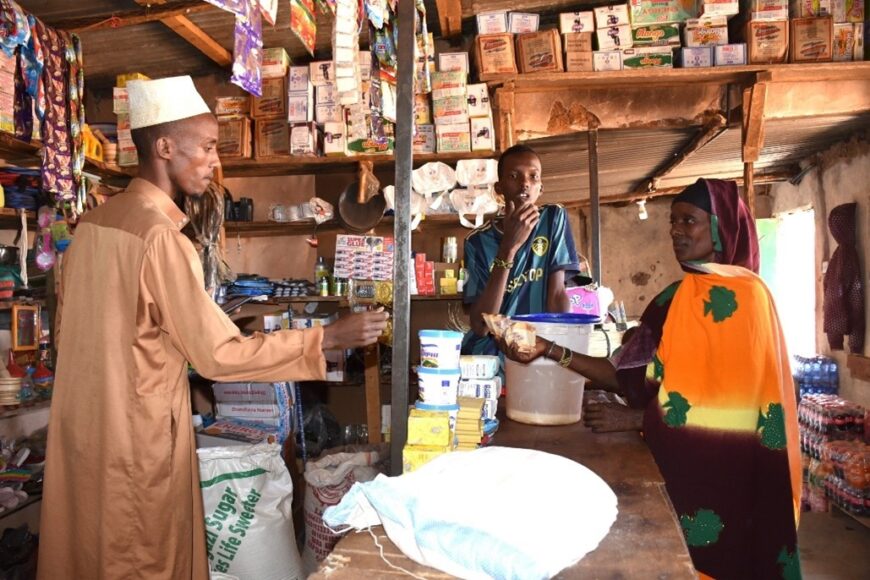
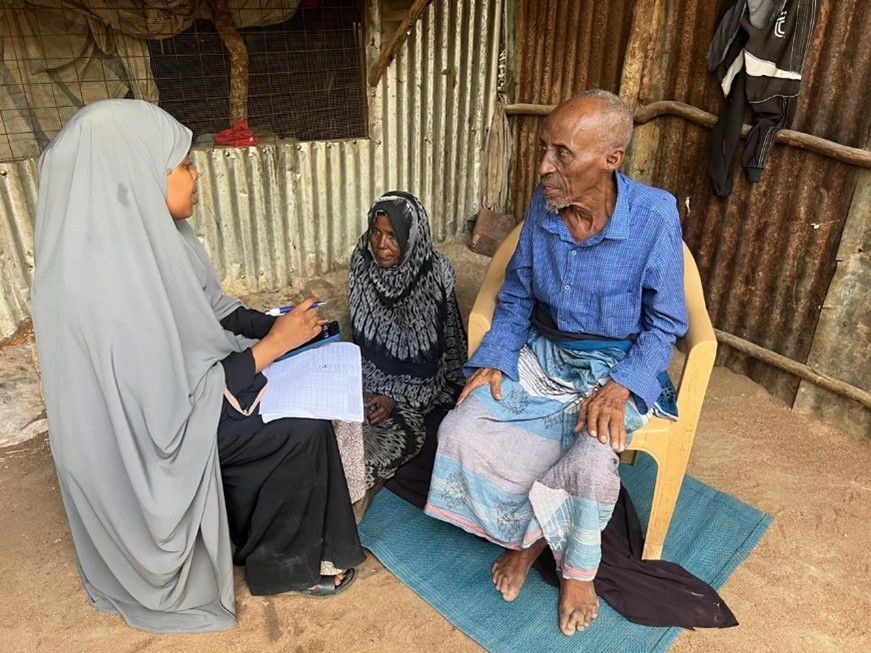
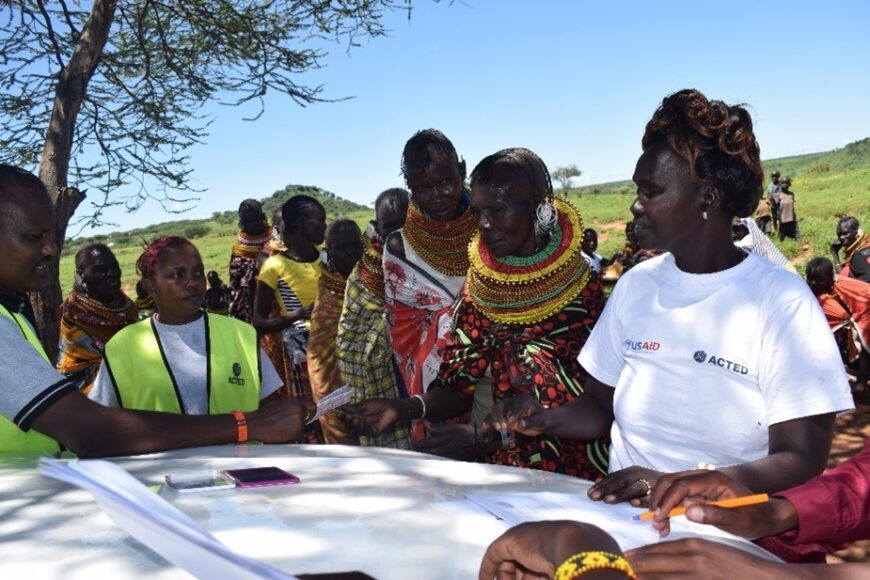
- Multi-sectoral cash transfers to disaster-affected communities to gain market access to basic goods as well as jumpstart weakened livelihoods,
- Rehabilitation, installation, and solarisation of water sources to ensure consistent access to safe drinking water,
- Capacitating local and regional civil society, such as the ASAL Humanitarian Network, to play a stronger role in humanitarian coordination, accountability, and advocacy,
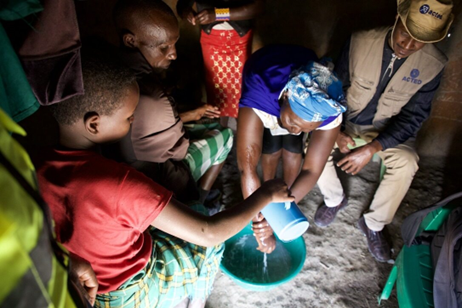
- Providing sensitization workshops to communities to promote good hygiene practices and minimize risks of waterborne disease,
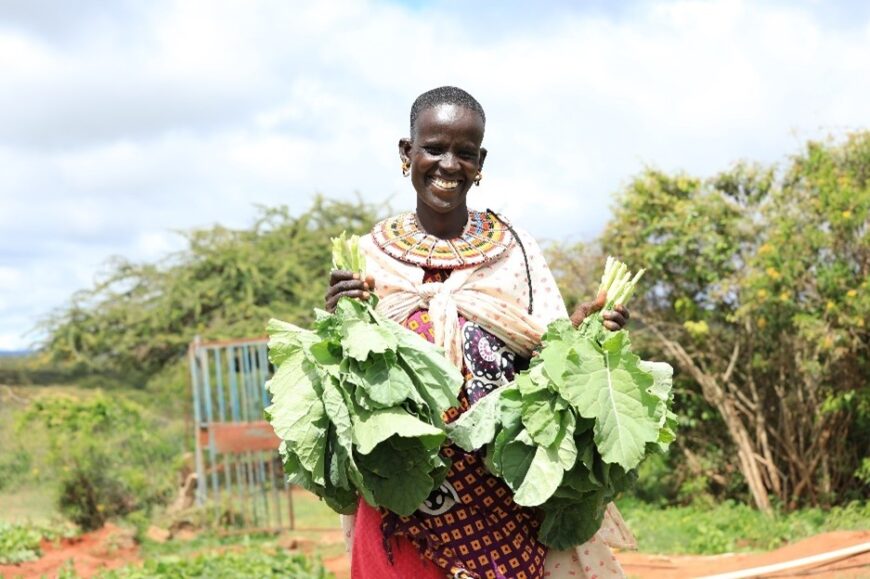
- Training agro-pastoralists to practice climate-smart agriculture, land restoration, and improve crop yield for better nutrition,
- Biodiversity enhancement and management to mediate inter-communal conflict over limited natural resources, and,
- Establishing the 3ZERO House in Nairobi, which serves as a hub for civil society capacity building, local business acceleration, and knowledge creation for innovative solutions to climate change.
Towards Holistic Resilience in Vulnerable Environments of Tchologo Region, Northern Cote d’Ivoire, and West Pokot County, Kenya
Location: West Pokot County, Northwest Kenya
As part of the THRIVE initiative, this project will restore 5,000 hectares of rangelands in West Pokot County through earthworks, holistic grazing, and vegetation improvement, establish agro–pastoral field schools to teach climate-adapted agricultural practices, and support peaceful coexistence within agro-pastoral communities between refugees and host communities through natural resource management. Overall, the project will impact over 2,000 individuals and support them adopt a holistic approach to address ecosystem degradation, reduce poverty, and mitigate natural resource conflicts.