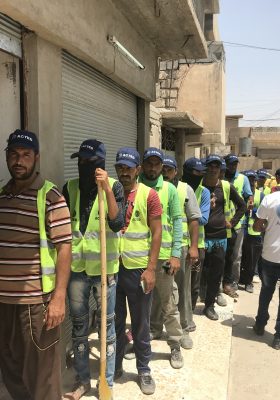
Since 2003, Acted Iraq has been providing humanitarian assistance to those affected by the Syrian Refugee Crisis and Iraqi mass displacement. Acted’s areas of intervention have increasingly shifted towards rehabilitation, recovery, and stabilisation, with a focus on strengthening national systems and actors while increasing the opportunities of returnees, IDPs and host communities, focusing on marginalised groups.
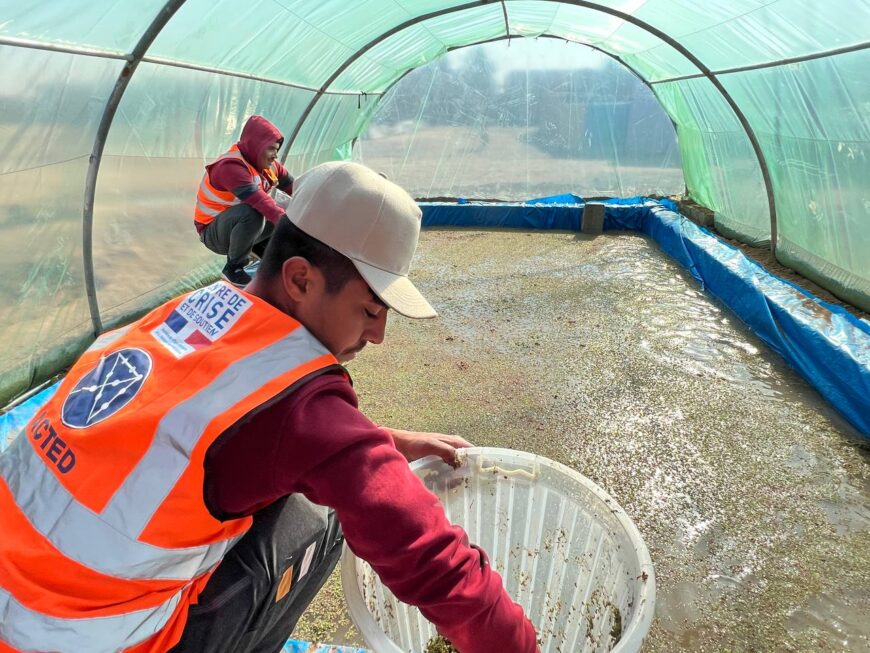
Since the end of major military operations against ISIL in 2017, Iraq’s humanitarian situation has improved, though humanitarian needs- especially of displaced populations- remain pressing. Iraq is facing serious environmental challenges, including the impacts of climate change, such as drought, land degradation, and water scarcity. The United Nations Global Environment Outlook 6 (GEO-6) identifies Iraq as the fifth most vulnerable country globally in terms of diminishing water and food availability and extreme temperatures. This climate crisis not only threatens the agricultural sector but also undermines fundamental human rights, creates barriers to sustainable development, and exacerbates the country’s existing environmental, security, political, and economic challenges, which in many regions is leading to displacement. As Iraq shifts toward sustainable development, Acted is focusing its programs on climate change mitigation and disaster risk reduction emphasising improving climate-resilient agricultural practices, including innovative farming techniques and alternative livestock feed.
With offices in Erbil, Baghdad, and Nasiriya, Acted works closely with local and international partners and maintains strong ties with local authorities. The organization is dedicated to building disaster resilience, promoting inclusive growth, and addressing poverty and climate change in Iraq.
Acted in Iraq
Acted has been active in Iraq since 2003, implemented about 257 projects across the country, focusing on Water, Sanitation, and Hygiene (WASH), agriculture, livelihoods, child protection, shelter, and Camp Coordination and Camp Management (CCCM). Acted’s work in Iraq aims to respond to emergencies, build disaster resilience, promote good governance, and encourage inclusive and sustainable growth while addressing poverty and climate change. With offices in Erbil, Baghdad, and Nasiriya, Acted collaborates with local and international partners and maintains strong relationships with local authorities.