Operating in the DRC since 2003, Acted is now present in 10 of the country's provinces. Over two decades, Acted has become a key humanitarian player, providing assistance to Congolese populations affected by shocks but also by structural vulnerabilities. Acted is one of the key players in the Rapid Response Mechanism (RRM) deployed in the East of the country and leads numerous multi-sectoral emergency response projects, food security, water, hygiene and sanitation (WASH), shelter and the management and coordination of displacement sites (CCCM). Acted also works to build people's resilience through economic recovery projects, support for civil society and local governance.
For more than 20 years, the DRC has been experiencing one of the world’s most severe humanitarian crises. Despite its immense natural resource potential in terms of biodiversity and minerals, the DRC remainsone of the poorest nations in the world, with 73.5% of its inhabitants living on less than 2.5 dollars a day in 2024. Violent conflict and structural problems limit access to basic services and sustainable economic opportunities for the population.
In 2024, 40.8 million people are food insecure and 6.9 million are internally displaced, in addition to more than 520,000 refugees and asylum seekers. UNICEF reports a sharp increase in the number of children recruited by armed groups in 2023, while gender-based violence particularly affects women and girls. Human rights continue to be seriously violated, affecting civilians in particular.
The DRC is also extremely vulnerable to climate change, including recent waves of unprecedented flooding. Paradoxically, the country is also facing an increase in severe droughts, fires and temperatures. These cumulative risks threaten ecosystems, access to water resources and agricultural production.
Acted in the Democratic Republic of Congo
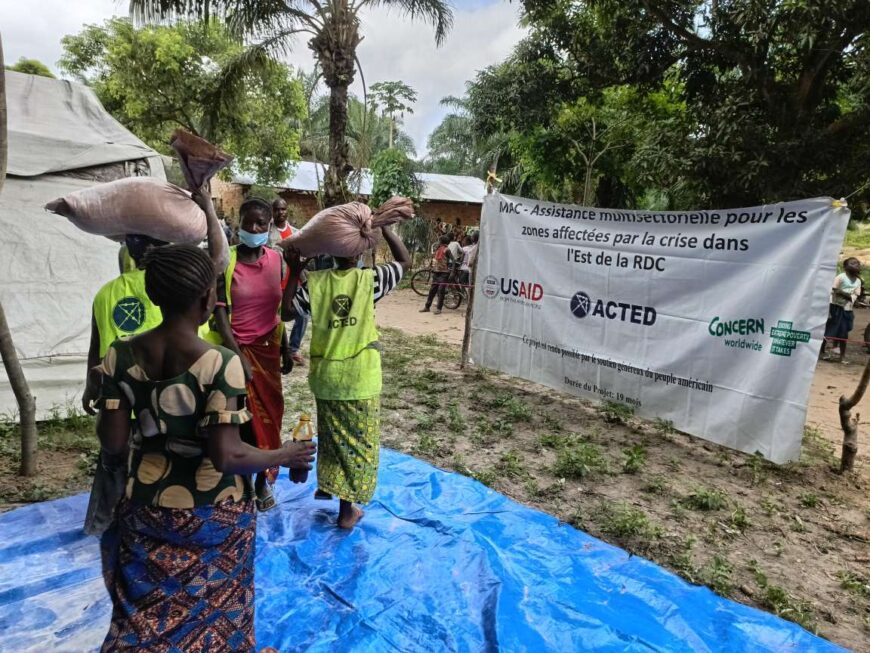
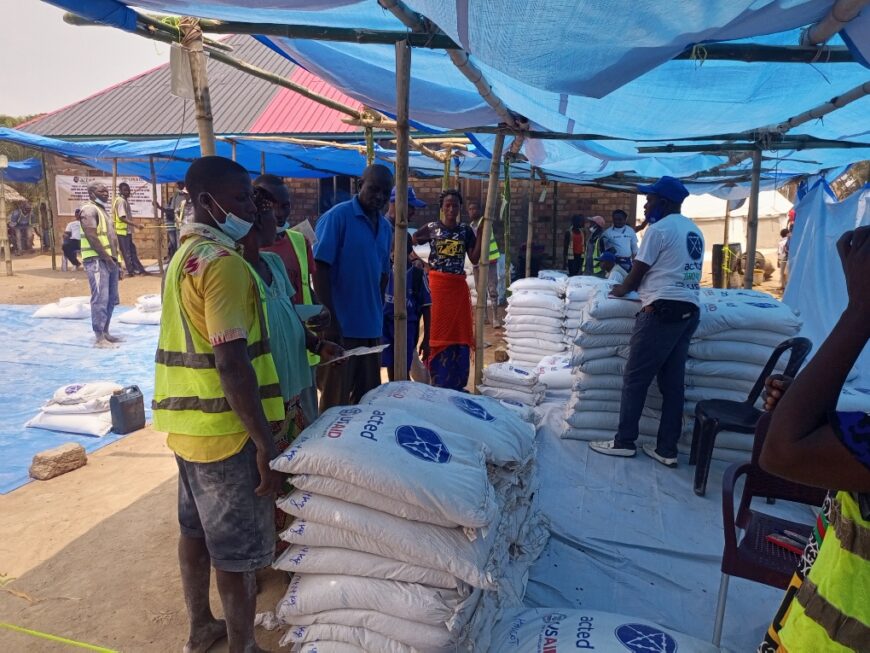
Since 2003, Acted has been working with local populations in the Democratic Republic of Congo to provide a rapid and flexible emergency response to people affected by displacement. In the east of the country, particularly in the provinces of North Kivu, South Kivu and Maniema, the intensification of conflict has considerably worsened the living conditions of communities affected by displacement. Acted responds to their immediate needs in terms of access to housing, food security, household items and access to water.
Acted is also active in the Tanganyika region, which is severely affected by food insecurity, responding to urgent and vital needs in terms of access to sufficient and varied food. In the north, in the provinces of North and South Ubangi and Bas-Uélé, Acted is working to respond to the crisis of Central African refugees fleeing security instability and the economic crisis in their country.
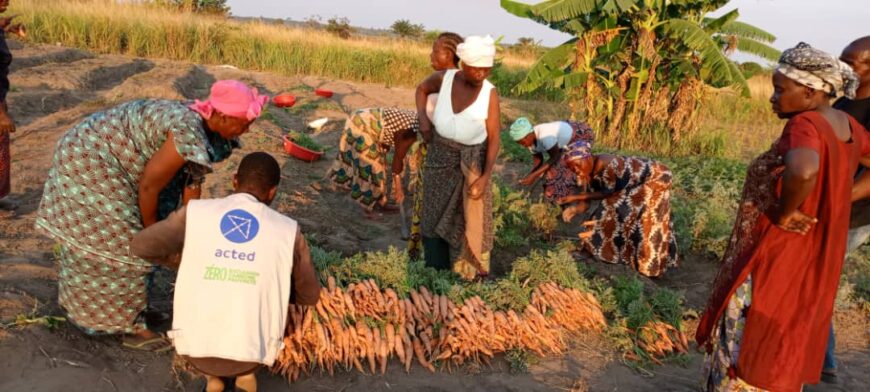
At the same time, in the most stabilised provinces, support is being provided for the economic empowerment of the population through support for civil society, the promotion of good governance and social cohesion. Alongside its local partners, Acted works towards inclusive and sustainable local growth.
Finally, Acted also integrates environmental factors and gender issues into all its emergency and development interventions.
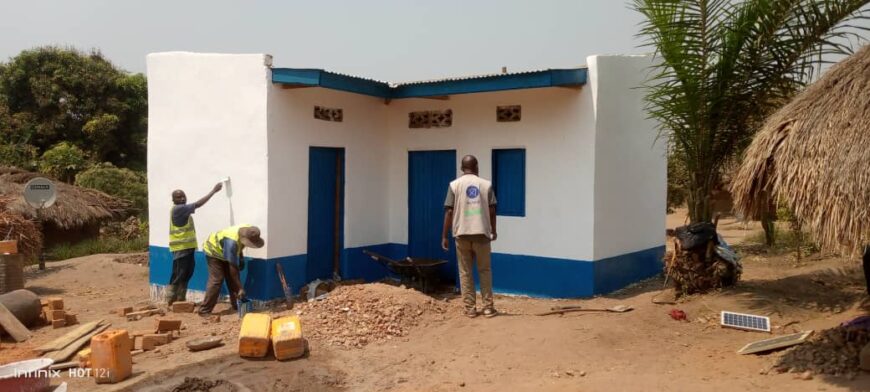
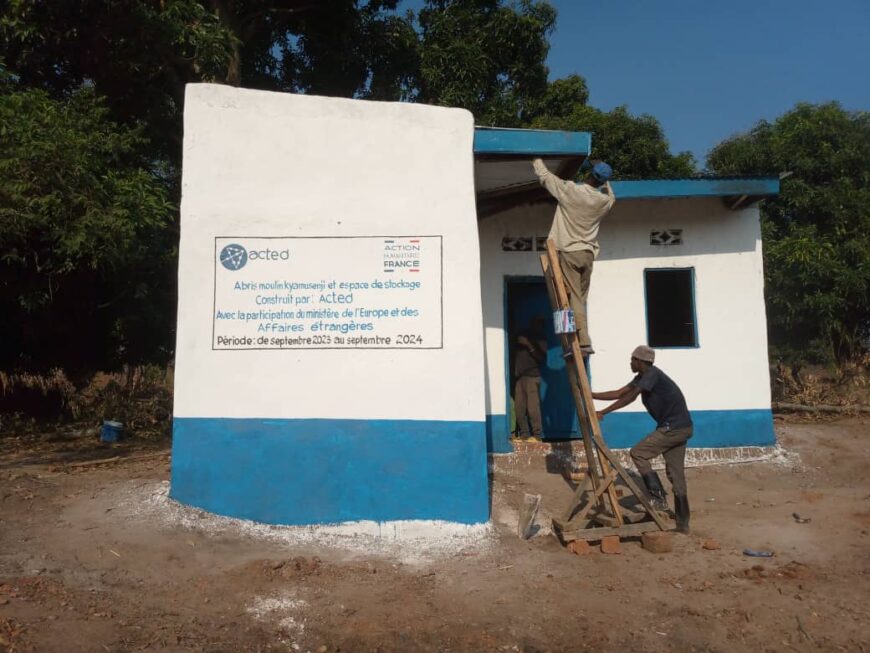
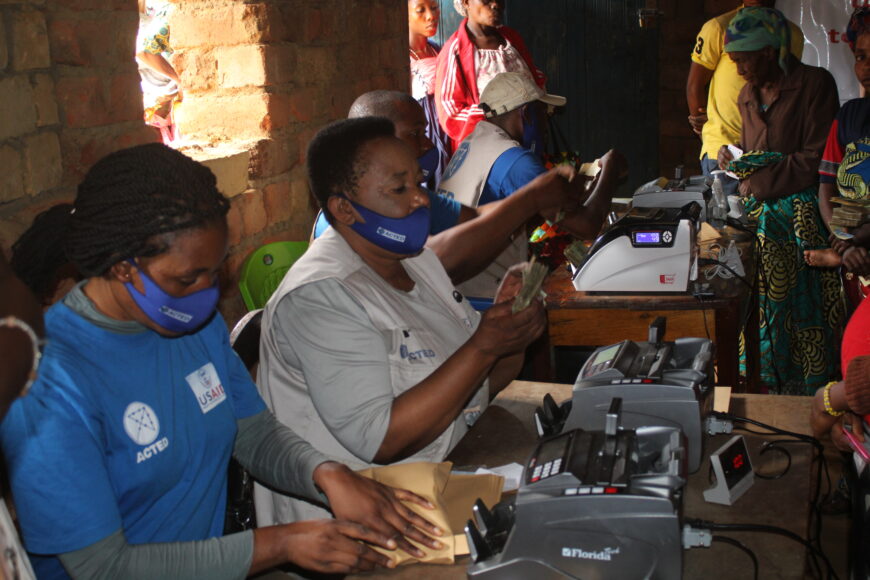
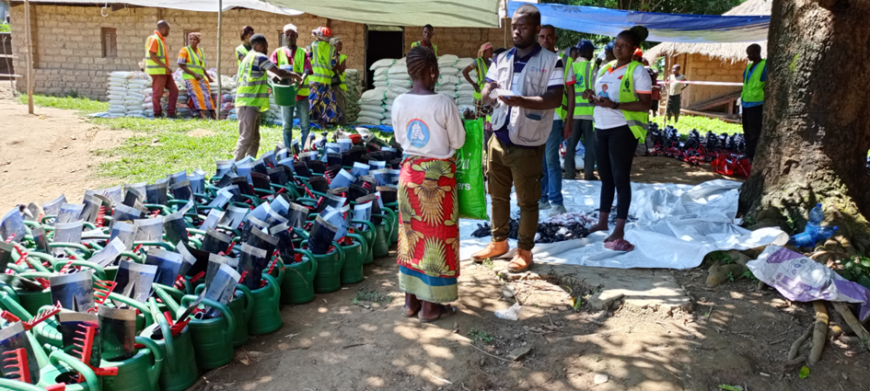
In the DRC, Acted is working towards the 3ZERO objective through innovative and complementary programmes:
- Safer Initiative
The Strategic Assistance for Emergency Response (SAFER) consortium brings together several NGOs in the DRC, using Multiple Use Cash Transfers (MUCTs) as a method of providing assistance to rapidly meet the vital needs of populations displaced by conflict or natural disasters.
- Grassroots Organization Capacity Assessment (GOCA)
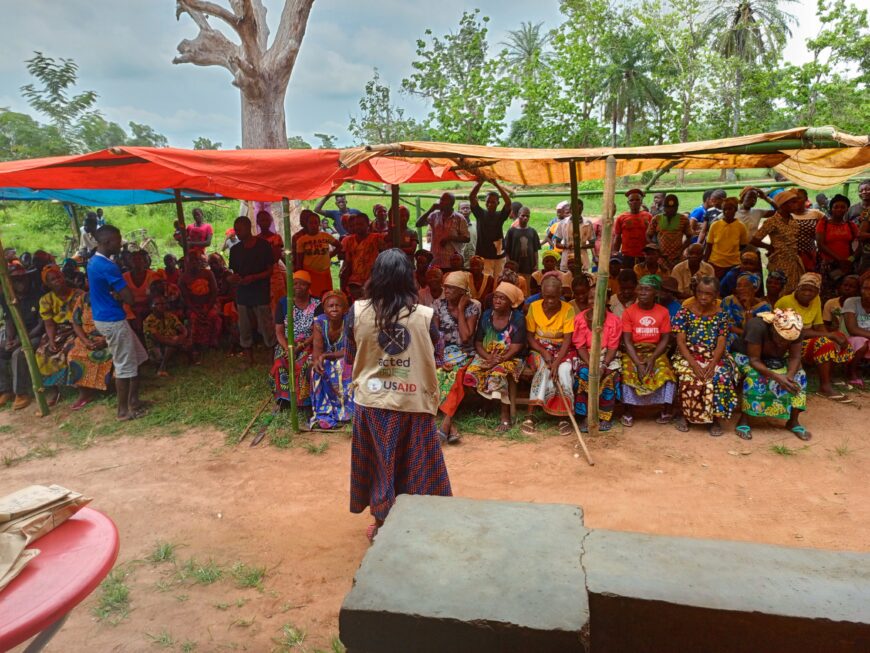
Since 2012, Acted has developed the GOCA tool to assess and strengthen the capacities of Civil Society Organisations (CSOs) in the DRC, facilitating their access to direct funding and supporting the localisation of aid. Acted supports 24 CSOs in the DRC to improve dialogue between civil society players.
- CCCM Mobile
Faced with the increase in internally displaced persons due to armed conflict, Acted manages dispersed and less structured sites, setting up coordination activities and mobile camp management to meet the needs of vulnerable populations.
Country strategy - DRC (In French)
Download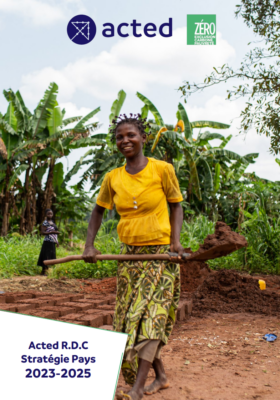
Current projects
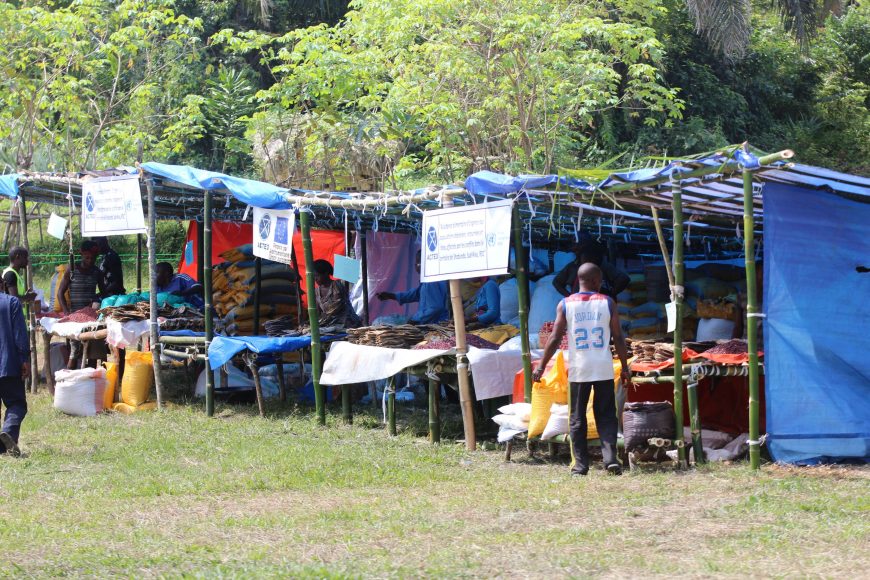
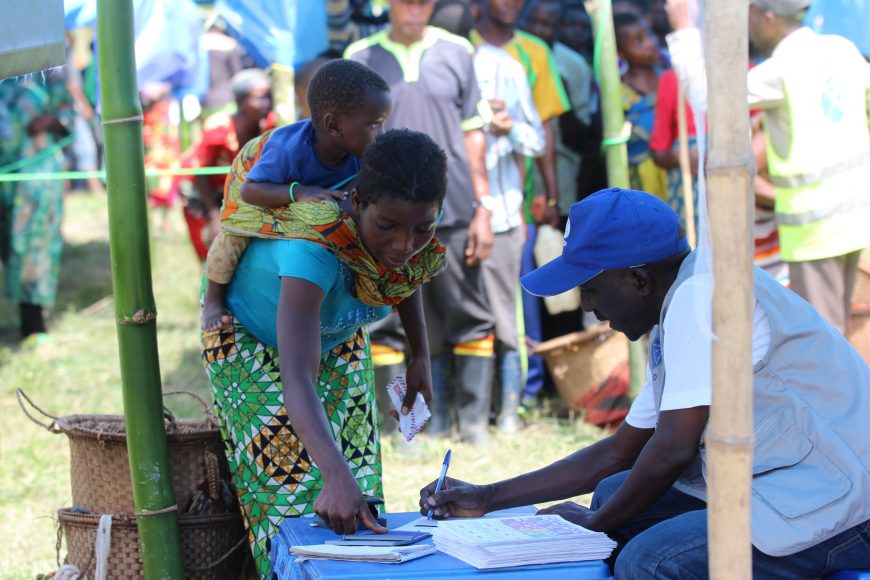
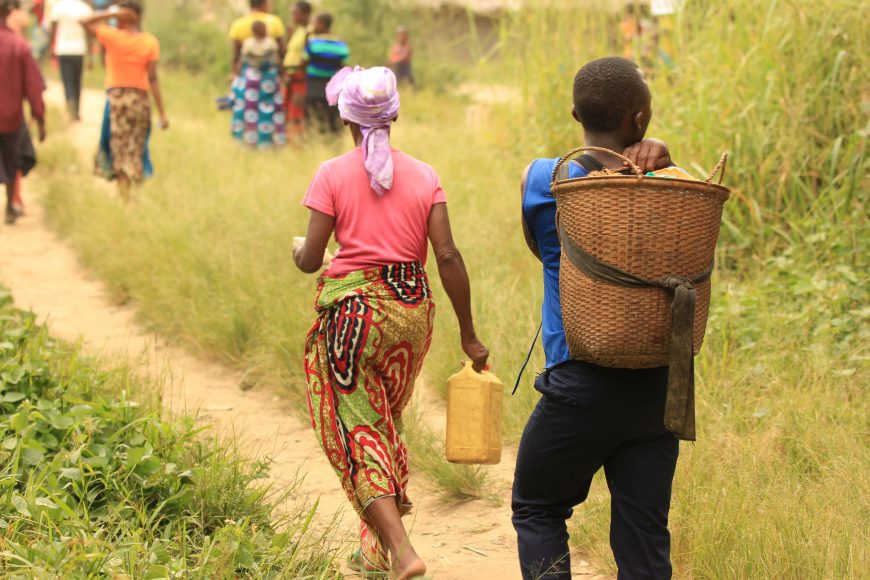
Food assistance for the people of Shabunda
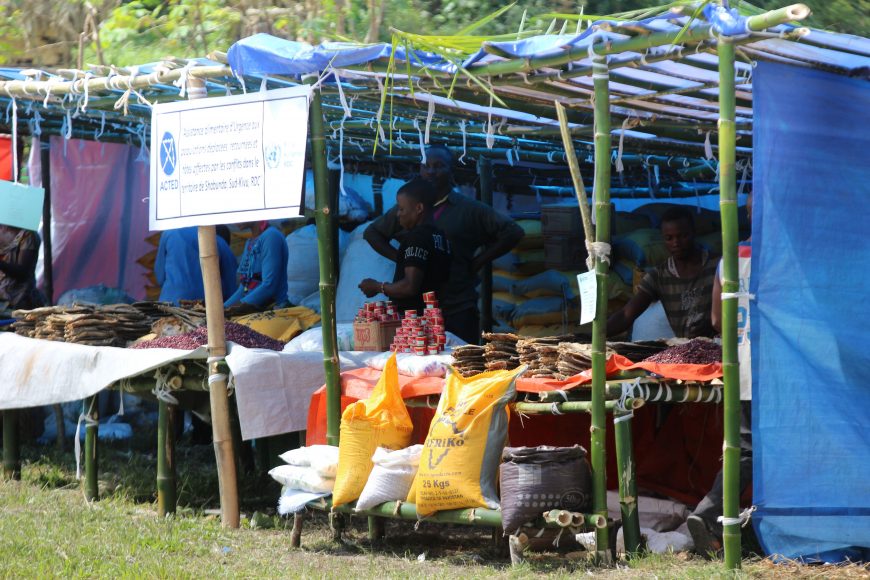
©Gaytt Craig Ngelessa for ACTED DRC, 2017
Kolula Food Fair, Democratic Republic of Congo
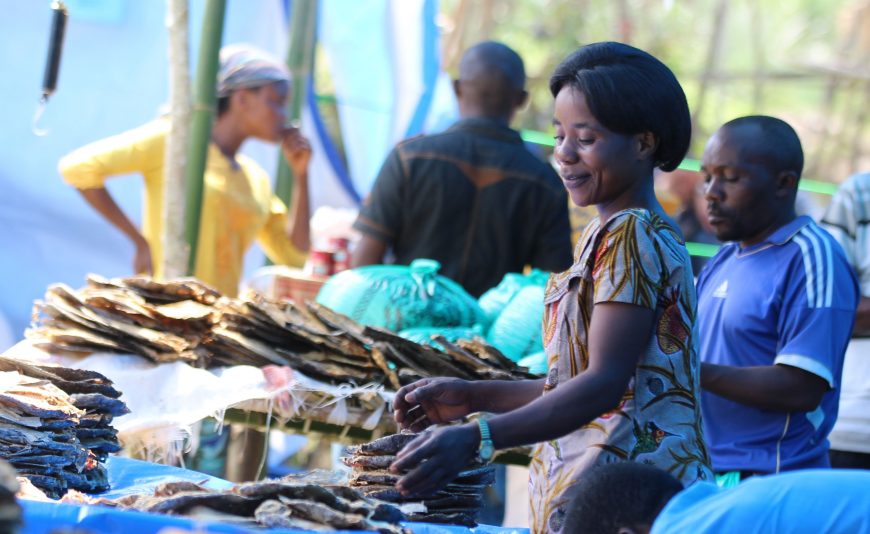
©Gaytt Craig Ngelessa for ACTED DRC, 2017
Kolula Food Fair, Democratic Republic of Congo
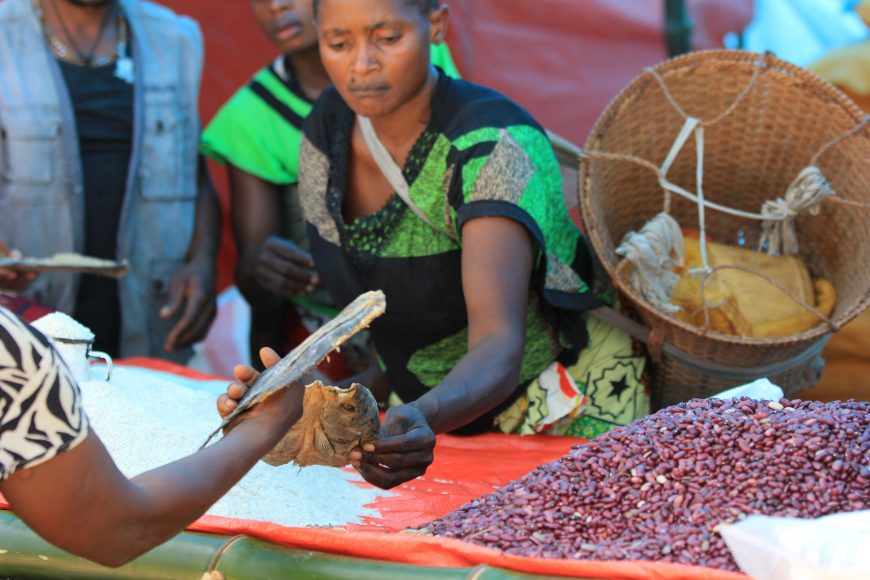
©Gaytt Craig Ngelessa for ACTED DRC, 2017
Kolula Food Fair, Democratic Republic of Congo
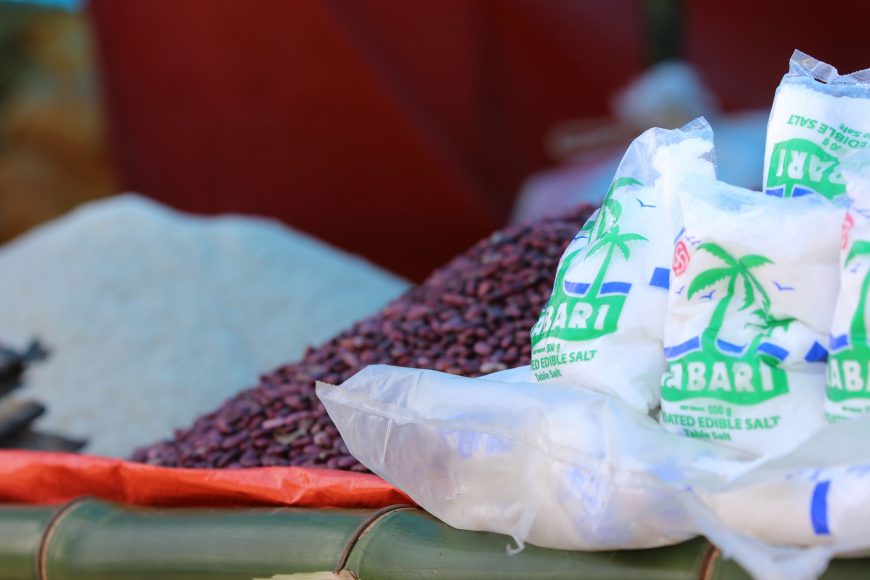
©Gaytt Craig Ngelessa for ACTED DRC, 2017
Kolula Food Fair, Democratic Republic of Congo
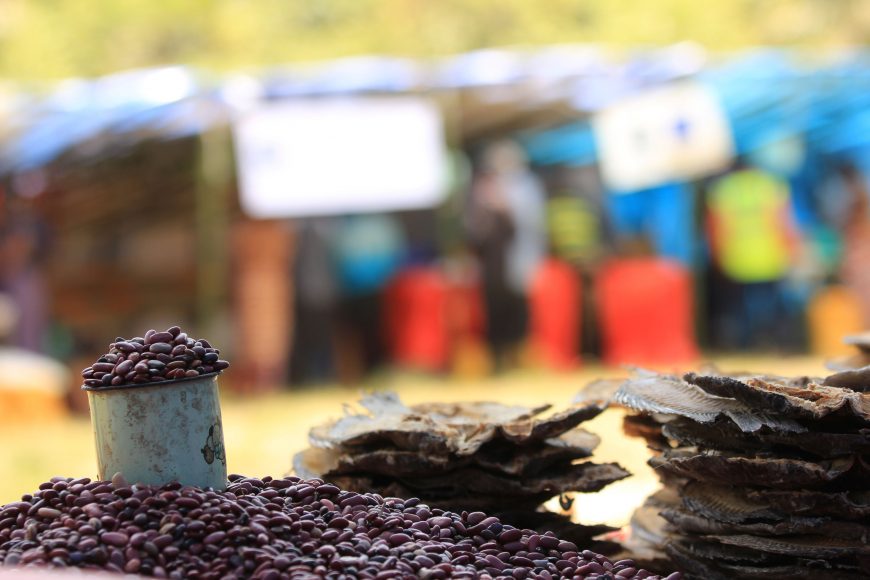
©Gaytt Craig Ngelessa for ACTED DRC, 2017
Kolula Food Fair, Democratic Republic of Congo
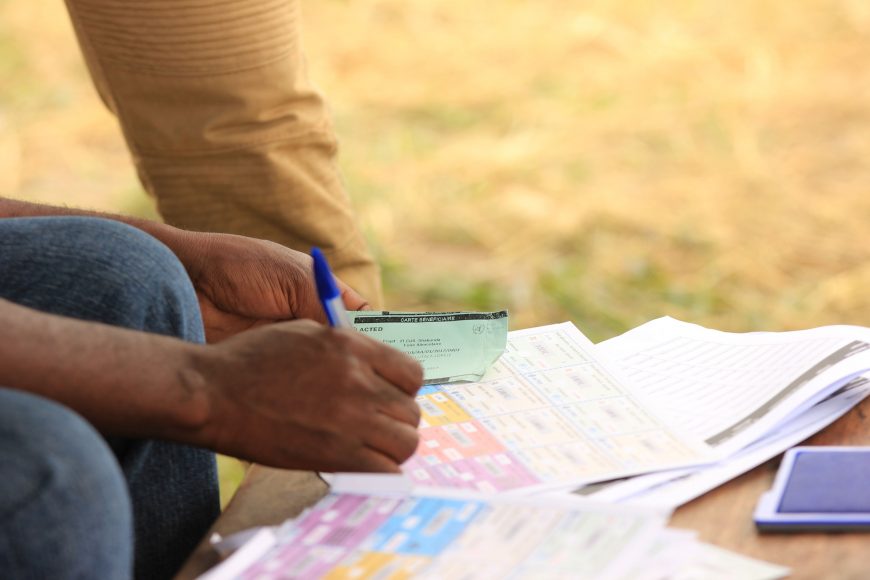
©Gaytt Craig Ngelessa for ACTED DRC, 2017
Kolula Food Fair, Democratic Republic of Congo
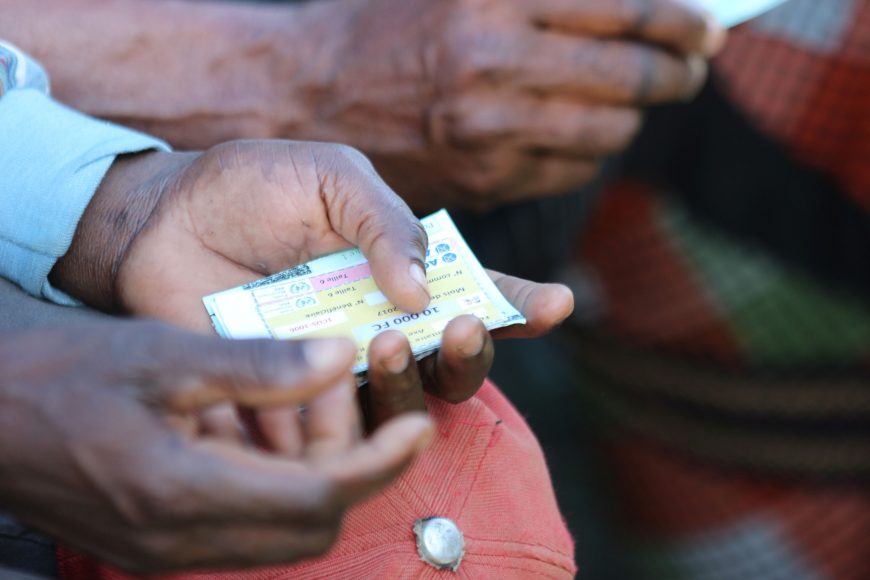
©Gaytt Craig Ngelessa for ACTED DRC, 2017
Kolula Food Fair, Democratic Republic of Congo
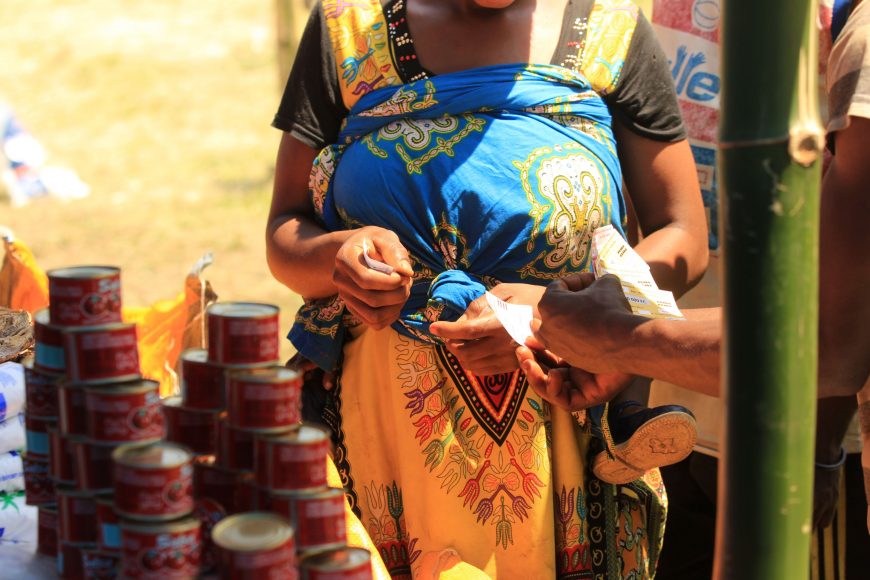
©Gaytt Craig Ngelessa for ACTED DRC, 2017
Kolula Food Fair, Democratic Republic of Congo
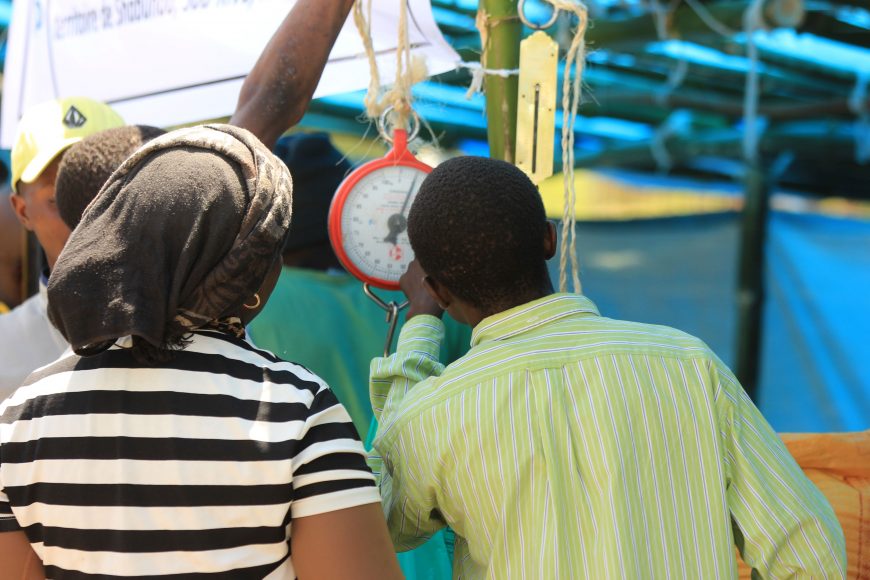
©Gaytt Craig Ngelessa for ACTED DRC, 2017
Kolula Food Fair, Democratic Republic of Congo
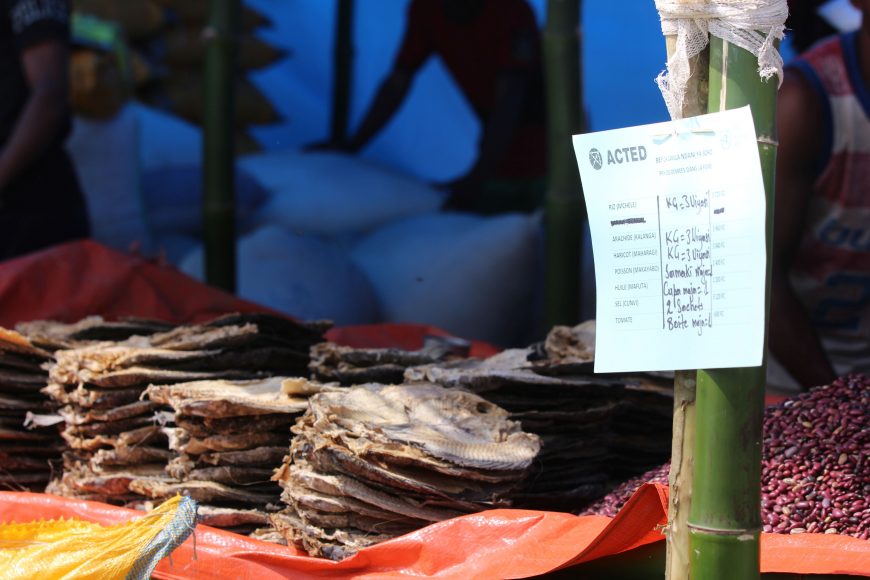
©Gaytt Craig Ngelessa for ACTED DRC, 2017
Kolula Food Fair, Democratic Republic of Congo
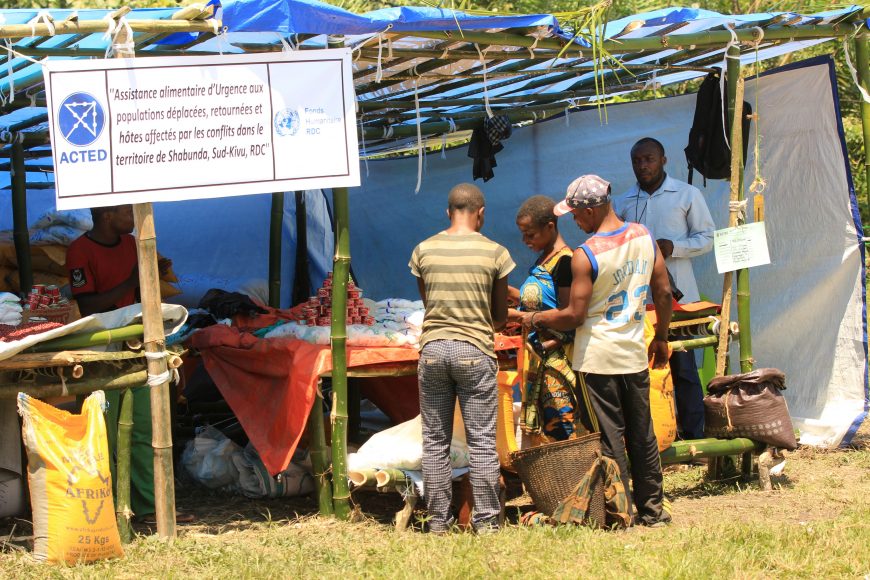
©Gaytt Craig Ngelessa for ACTED DRC, 2017
Kolula Food Fair, Democratic Republic of Congo
©Gaytt Craig Ngelessa for ACTED DRC, 2017
Kolula Food Fair, Democratic Republic of Congo
©Gaytt Craig Ngelessa for ACTED DRC, 2017
Kolula Food Fair, Democratic Republic of Congo
©Gaytt Craig Ngelessa for ACTED DRC, 2017
Kolula Food Fair, Democratic Republic of Congo