Somalia faces multiple local conflicts driven by power struggles and competition over scarce resources. These tensions are exacerbated by overlapping, of challenges, from economic hardships and political instability to insecurity and recurrent natural climate shocks, which further deplete already limited to vital resources. As a result, inter-communal tensions are reinforced undermining social cohesion and hindering developmenthindering development.
The Nabad Project, implemented by Acted with the support of UNPBF from 2023 to 2026, aimed at strengthening grassroots peacebuilding efforts in Somalia by capacitating women-led civil society organisations (WLCSOs) and asserting their voices and leadership as central in their community’s peace processes.
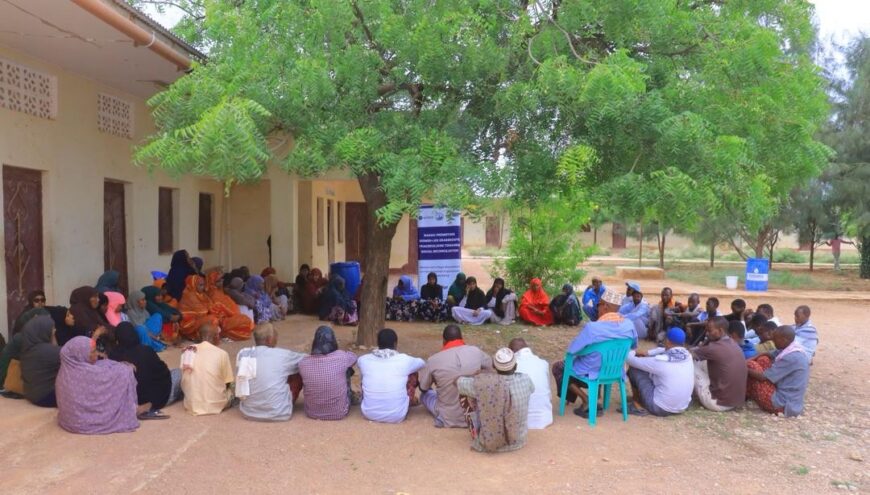
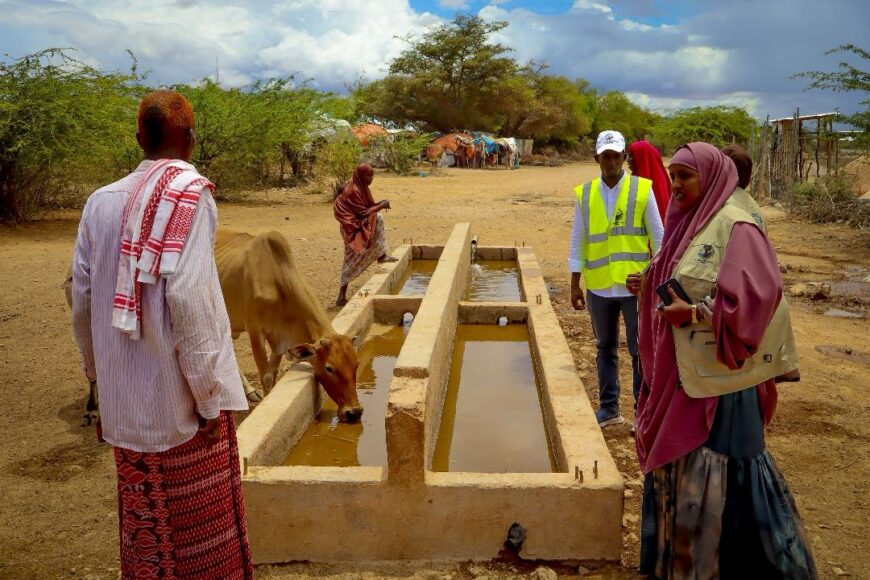
For years, the Keer Cabdile water reservoir, a vital water source in Hudur district for both farmers and herders, sparked tensions between the Malmey and Miiris sub-clans over its ownership and use. Women and children, responsible for fetching water, were the most affected, often facing dangerous situations. With training support from the project, Sahara, a community mobiliser working with the Bay Woman Association Network received training from Acted and its partners, allowing her to help her community to find concrete solutions to ultimately put an end to the long-lasting conflict and securing fair access to water for both communities, through the signature of a formal Peace Agreement.
The Nabad Project aimed to strengthen grassroot peacebuilding efforts by supporting WLCSOs to mediate disputes, promote dialogue and foster cooperation between communities. Through trainings and community engagement, these WLCSOs, like the Bay Women Association Network, worked to address root causes of the conflicts, while asserting women’s role as peacebuilders and fostering a shift in how their contributions are perceived within their communities.
Women Leading Dialogue and Mediation
With the support of Acted and its local partner Taakulo, Sahara and other members from the Bay Women Association Network participated in capacity building sessions on peacebuilding and mediation techniques to become peace envoys and mediators in their communities. She explains:
Before the training, I might have only complained at home, but now I have a role. I can speak in meetings with elders, knowing that I have the tools to contribute to peace.
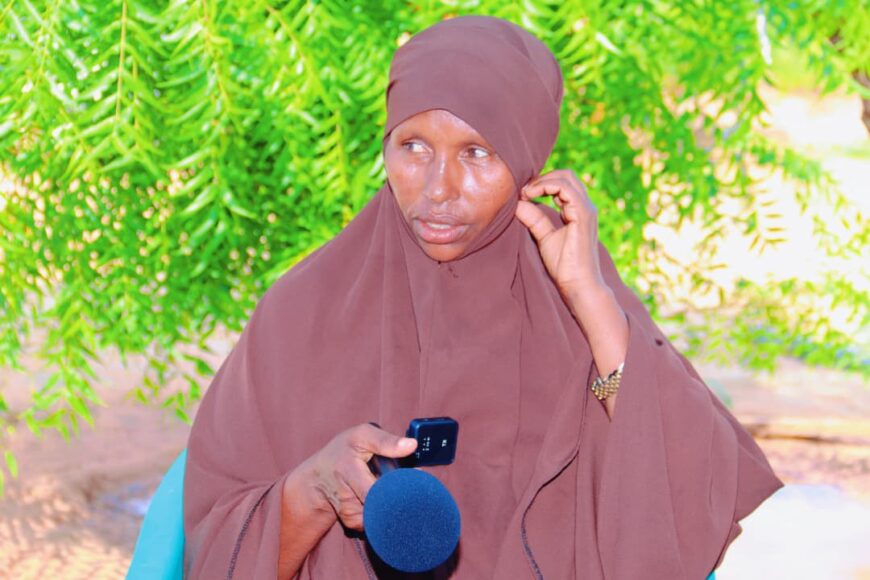
When asked about the most useful skill she learned, she says:
The skill of "interest-based negotiation" was most useful. We helped people move from saying "This is our reservoir" to asking "How can we all have access to reliable water?" Also, we knew that we were not making only promises but building a lasting system by working on a concrete Peace Agreement.
Her organisation established a comprehensive roadmap and led a 12-month peacebuilding campaign. Using their newly acquired skills, members facilitated consultation forums with each conflicting parties to understand their views and concerns, before organising dialogue sessions, trauma healing and social cohesion events in order to foster trust and communication to finding common solutions.
As part of the mediation process, I worked with women from both clans to listen to their specific concerns and ideas. I made sure that their voices, that are often overlooked, were included. I acted as a bridge between the communities and the mediation committee, to make sure that their opinions informed the discussions.
Local authorities engaged with the elders of both clans to gain their trust and support […] By showing respect for traditional authorities, we could create a place where the clans could come together and work toward practical solutions.
An elder from the Malmey clan, Mohamed* explains that although he had reservations at the beginning of the process, because he had been involved in previous unfruitful mediations, this time, he saw real changes in the way the women-led organisations approached the issue and proceeded with the mediation:
This time, I noticed the women mediators took time to understand the history of the conflict and the patterns of our livestock that was important to us […] It felt our concerns were heard and understood. I appreciated that our role as pastoralists was not seen as the problem and we are all part of the local economy.
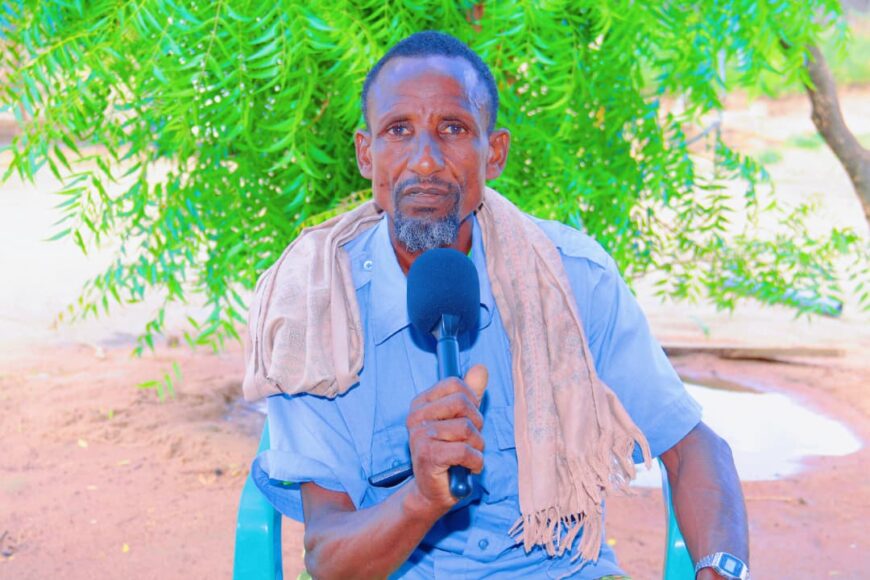
While the process could at times be challenging, as long-lasting grievances and mistrust could cause heated arguments during dialogue sessions, Sahara explains that women were essential in maintaining patience and understanding:
Women played a key role in calming emotions to refocus discussions on practical solutions, like water schedules and shared rules.
In parallel, the organisation also organised awareness raising sessions in their communities to promote women participation in peacebuilding and give them space to share their experiences.
A Peace Agreement for Shared Access to Water
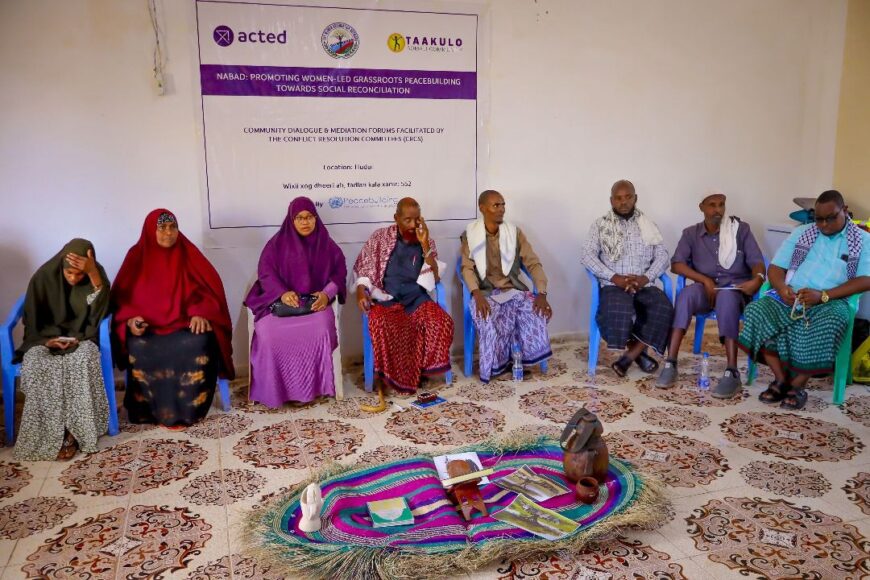
Following discussions and negotiations meetings, facilitated by the Bay Woman Association Network, representatives of both sides of the conflict drafted the peace agreement together, ensuring that the final terms would reflect the interests and priorities of all parties involved. The campaign culminated in the public signing ceremony of the Peace Agreement, binding both communities.
This step-by-step and multi-actor approach ensured that the process was inclusive, accountable and sustainable in creating the foundation of long-term peace. This agreement clearly established rules and responsibilities over the use and management of the water point. As explains one member of the Miiris clan, Abdi*:
It showed that this was not just a temporary truce but a new system to resolve this dispute […] The fact that the solution was written down and signed in front of everyone carried weight. You cannot easily go back on your signature.
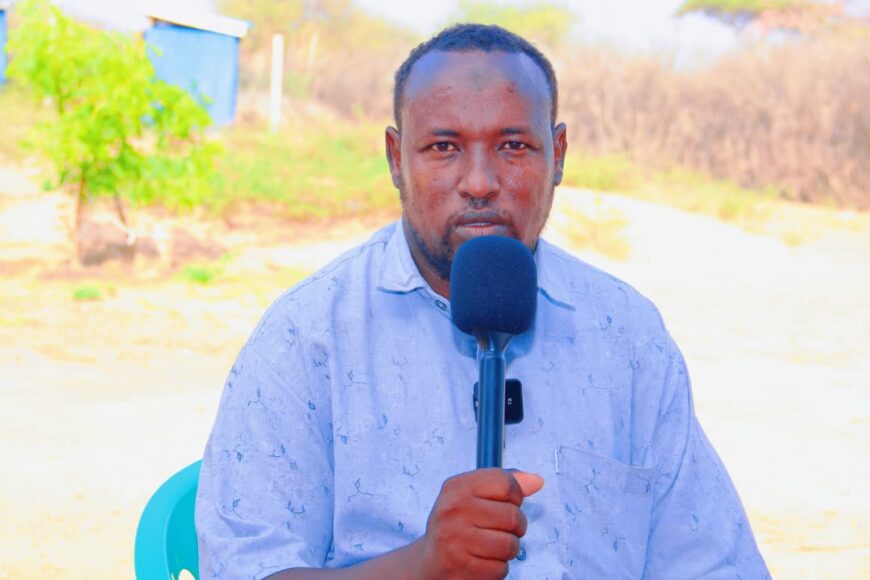
The 11-member Mediation Committee has now the responsibility to oversee the enforcement and respect of this agreement, composed of the same number of representatives from both clans, local authorities, the Bay Woman Association Network, as well as community representatives with one woman, one youth and one elder. On this particular point. Sahara says that she is “most proud that a woman has a guaranteed seat in the Mediation Committee”.
The Peace Agreement also includes a Resource Management Plan, setting a schedule for each clan to access the water reservoir, establishing fees and exemptions, defining penalties for violations and a clear conflict resolution mechanism in case of future dispute.
There is now a clear structure and rules to guide how we share resources. The agreement clearly outlines penalties and fines to pay in case of violations. This created more discipline.
Women’s Recognised Leadership in Peacebuilding
When engaging with Sahara and members of each clan, it is clear the situation before the peacebuilding campaign led by the Bay Women Association Network was dire and tiresome.
The reservoir is our lifeblood […] but it became source of arguments. You could feel the distrust in the market, community centres and everywhere. Women were rarely seen as key actors in peace and conflict resolution in our community. Their role was limited to supporting the men and decisions were always led by men […] Conflicts were addressed on the surface, focusing on reducing immediate tension. They underestimated women’s voices and experiences on how the conflicts were affecting their families, and their livelihoods.
Abdi says that the situation not only impacted his livelihoods, as it was unpredictable when we would be able to irrigate his crops, but also created fears for his wife’s safety when going to fetch water.
Following the signature of the Peace Agreement, all members agree to say that the conflict related to the water reservoir now has ended and both clans can coexist peacefully. Apart from the conflict resolution, their testimonies show how perception of women and their role in peacebuilding has changed. Both Abdi and Mohamed outline the roles that the women played during the process and acknowledge their impact in bringing the communities together. Sahara also notes that women became active participants and facilitators and that she now feels “confident to together with the other organisations led by women, we have the strength to mediate other disputes. I wish for my organisation to be recognised as indispensable for peace in Hudur and to replicate this model to prevent similar conflicts. I also think youth engagement can be stronger to maintain peace in the future”.
The success belongs to the community. The project did not bring peace from outside, but it gave us the tools and trust to built it ourselves. That is why it is strong.
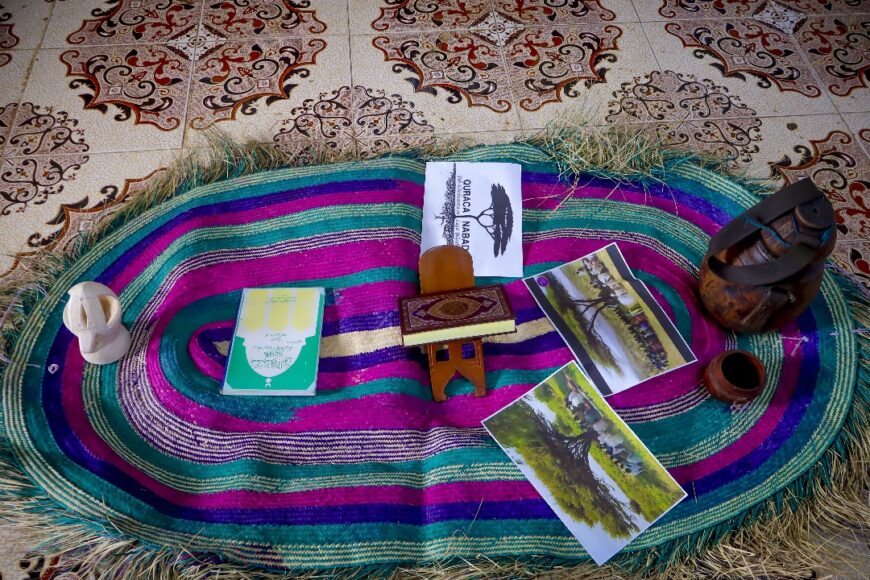
The Nabad project demonstrated that women-led CSOs can lead sustainable peacebuilding initiatives. Through training, mediation and inclusive dialogue, Sahara and her organisation tackled a long-standing conflict between two clans over the access to water and transformed the situation into a stepping stone for improved cooperation and shared responsibility. The initiative not only restored peace but also amplified women’s voices and leadership within their communities, supported by a positive shift in perception among all local actors.
The success of the Bay Women Association Network is replicated in all other seven districts where the project was implemented. Overall, eight women-led organisations managed to mediate inter-communal conflicts resulting in signed Peace Agreements.
*Names have been changed to protect individuals ‘privacy.