Present in Jordan since 2008, Acted works to strengthen resilience and inclusive development in one of the world's most water-scarce countries. With over 90 projects completed and more than €178M invested, Acted supports Jordanians and refugees through livelihoods and economic development; inclusive community engagement and cohesion; and collaborative environmental sustainability. From Za’atari and Azraq camps to rural farms and urban hubs, Acted partners with communities and institutions to advance its 3ZERO vision, Zero Exclusion, Zero Carbon, Zero Poverty, ensuring that programming builds long-term sustainability and social cohesion.
Jordan faces overlapping crises: hosting 1.3 million refugees amid slow economic growth, high unemployment, and rising poverty. Ranked among the most water-scarce nations, with only ~90 m³ of renewable water per person annually, climate change accelerates droughts and land degradation. Food insecurity affects refugees and host communities, straining services and infrastructure. Integrated approaches to livelihoods, resource efficiency, and climate resilience are essential for stability and inclusive development.
Acted in Jordan
3ZERO in Jordan
Acted aligns with the global 3ZERO Strategy, focusing on Zero Carbon, Zero Poverty, and Zero Exclusion. In Jordan, this commitment is reflected in all programs through the promotion of inclusive and low-carbon solutions to address environmental and poverty challenges.
Zero Exclusion:
Strengthening social cohesion and civic participation through CSO capacity-building, inclusive planning, and leadership and
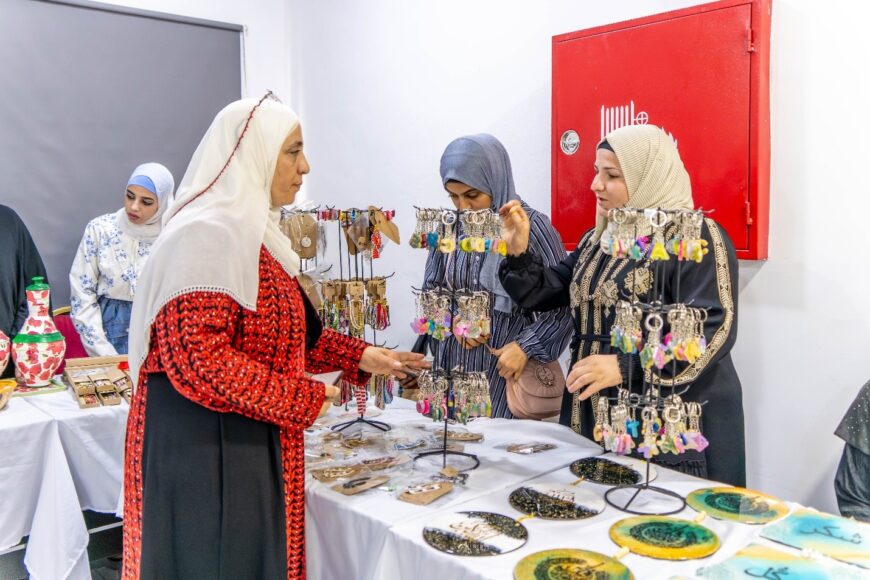
employment pathways for women and youth.
Zero Carbon:
Scaling climate-smart agriculture, water harvesting, and renewable energy solutions; promoting circular economy models and green MSMEs
to cut emissions and waste.
Zero Poverty:
Expanding livelihoods via vocational training, entrepreneurship, and market-based value chains; supporting farmers, MSMEs, and cooperatives for
income diversification and resilience
For example, in central and northern Jordan, this commitment is reflected through Acted’s project aimed at supporting economic growth and sustainable diversified income creation in Jordan.
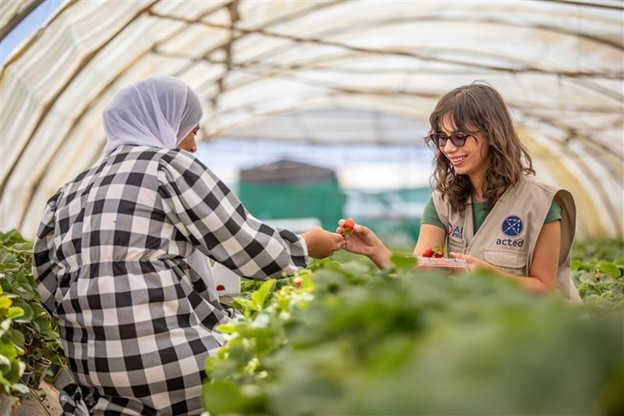
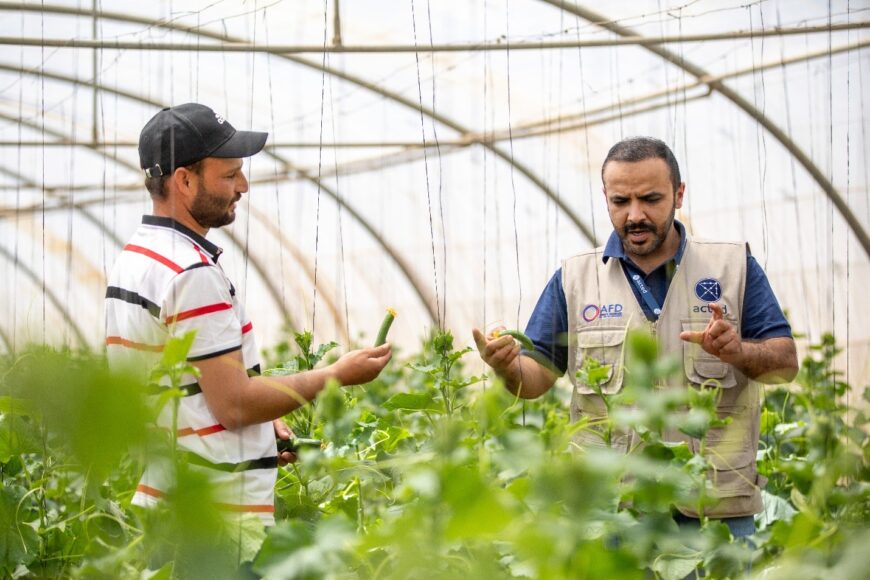
Firstly, to achieve Zero Exclusion, the project focused on strengthening the technical production skills of Syrian and Jordanian daily agricultural workers. Advanced training in sustainable agricultural practices, decent work conditions, and business development was provided, promoting inclusivity and improving access to better employment opportunities.
Secondely, in line with Zero Carbon goals, the project contributed to environmental sustainability by endorsing climate-smart agricultural practices and supporting permagarden implementation.
Finally in pursuit of Zero Poverty, the project supported vulnerable farming households in accessing year-round income and reducing expenditures through perma-gardening and income-diversification activities. This support significantly improved economic stability, with 72% of beneficiaries reporting enhanced financial resilience and 343 individuals rising above the national poverty line.
Notably, 98% of beneficiaries engaged in perma-gardening saw increased agricultural production, and 99% of those involved in income-diversification activities launched their own businesses.
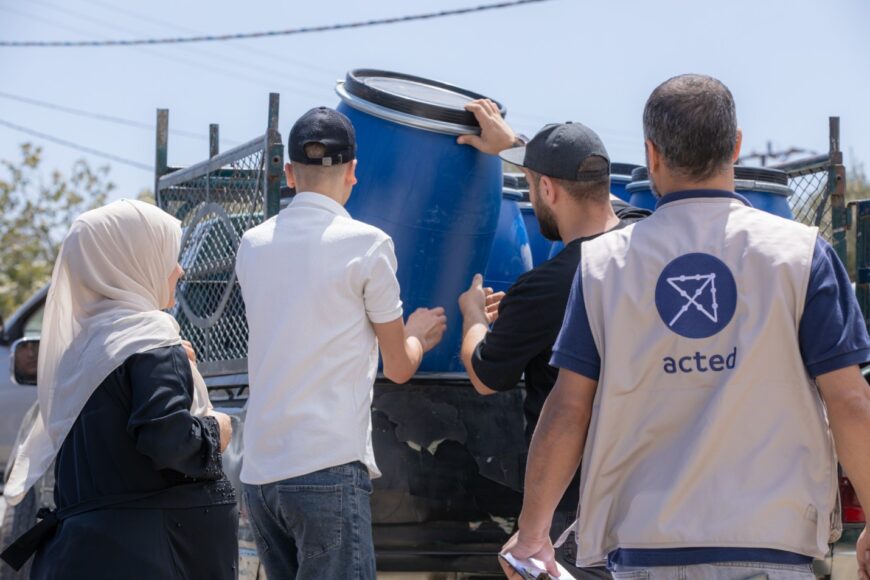
Acted Jordan supports livelihoods, inclusion, and sustainable community ecosystems.
Through the THRIVE approach Acted Jordan delivers adaptive, needs-based livelihood and food security solutions, integrating climate-smart practices and market opportunities.
Acted Jordan builds civil society capacity using proven tools like CATALYST, enabling CSOs to lead rights-based development. Under the EU-funded EMPOWER–Jordan Project (2024) , Acted Jordan is applying the CATALYST tool to empower 21 CSOs and 42 CBOs across Jordan.