In Jordan, the post-harvest sector serves as a critical link between primary agricultural production, national food security, economic resilience, and export competitiveness. Operating within one of the world’s most water-scarce environments, Jordan’s agricultural sector primarily concentrated in the fertile Jordan Valley and highlands produces high-quality fruits and vegetables.
However, the main structural bottleneck within Jordan’s agricultural value chain remains the severe shortage of advanced post-harvest infrastructure which drives an estimated 22% loss of fruits and vegetables before they reach consumers.
Recognising these critical gaps in Jordan’s agricultural value chain, Naeem Abu Doush*, a visionary large-scale farmer, decided to make a difference. The Grow Economy project supported Naeem with financial and technical support to establish a sorting and packaging facility. More than an expansion of his own business; the facility has become a vital post-harvest hub that strengthens markets access for small-scale farmers in the locale by improving sorting, packaging, handling efficiency, and product quality in line with market standers.
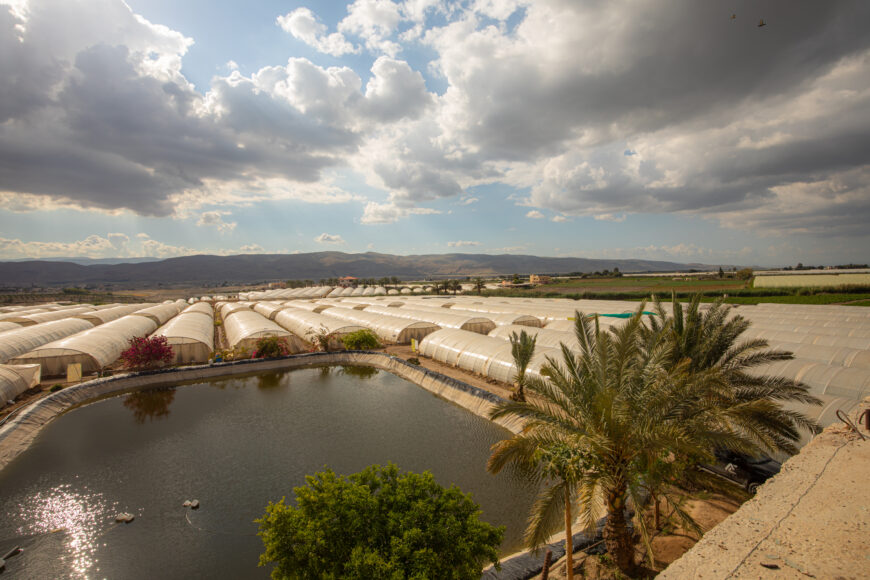
Through the Grow Economy project funded by AFD, Acted adopted an integrated approach to promote sustainable and inclusive economic opportunities for Syrian refugees and vulnerable Jordanians – supporting agriculture labourers and the farms themselves. Over 1,300 smallholder farmers were trained to strengthen agricultural practices, 420 farmers received business grants and technical assistance and over 600 agricultural labourers were supported to diversify their income sources. This has contributed to a shift from subsistence-oriented farming towards more growth-oriented and market-integrated agricultural production.
From Farm to Market: Optimising the Value Chain
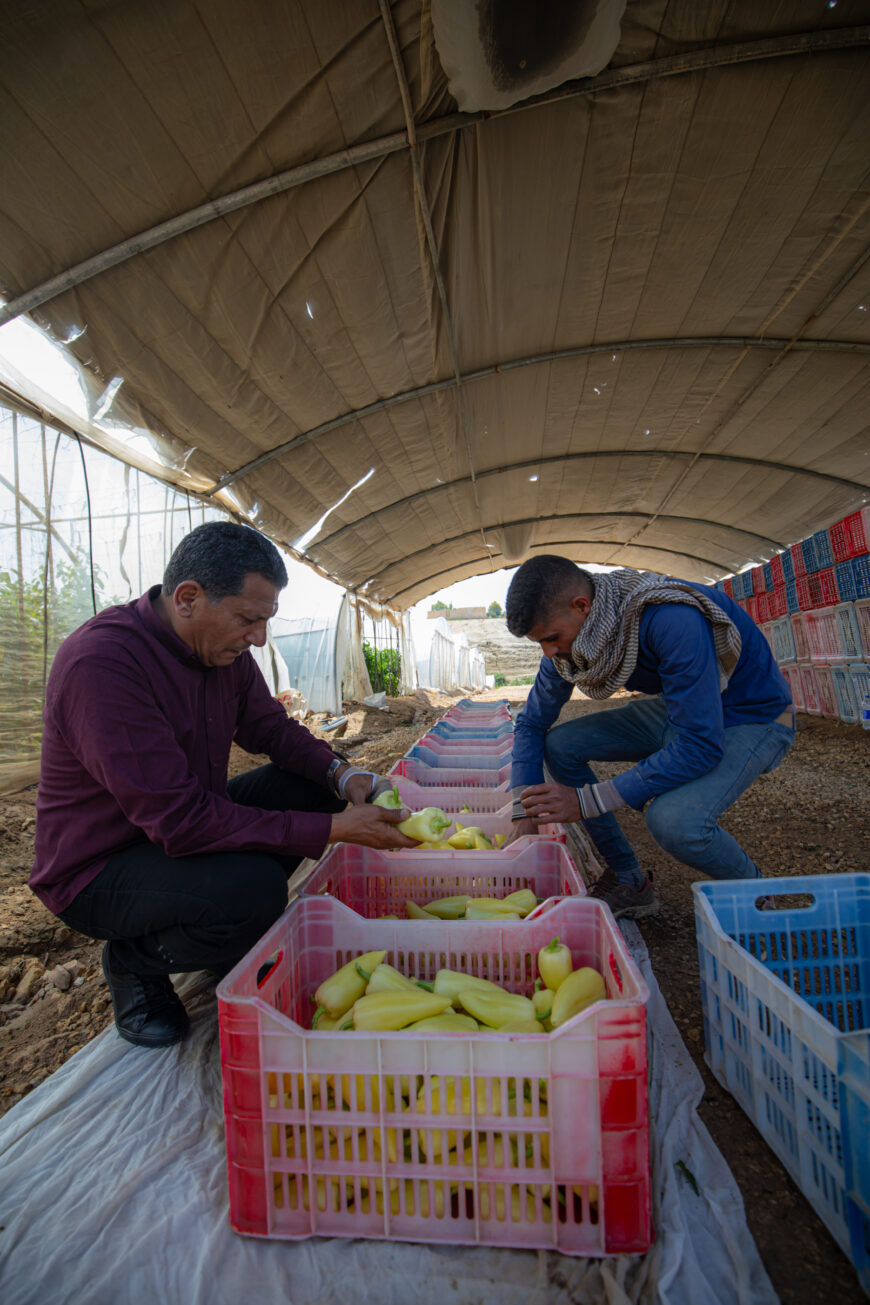
Naeem manages a vegetable farm in the hills of Balqa in Jordan and has always been a passionate farmer. Over the years, he witnessed how the hard work of his peers often went to waste at the end of every season due to poor handling and storage.
A farmer puts all their heart into the land, only to be shocked by low returns because the crop spoiled or was poorly presented in the market.
He joined the project with a clear vision to address post-harvest challenges affecting many farmers like him. Transitioning away from traditional practices, he utilized the project’s support to establish an integrated sorting and packaging unit. The project supported Naeem tomaterialise this vision, delivering innovative technical trainings on post-harvest practices, quality management and strengthening his market linkage strategies. With support through a business grant, he established the sorting and packaging facility in line with international standards – unlocking markets beyond Jordan.
A Hub for Small Farmers
This transformation has not only increased the value of his own produce but has also created a platform for neighboring small-scale farmers to benefit from these upgraded facilities and creating additional value from their efforts and accessing broader markets.
With the new equipment, the facility is now a benchmark for post-harvest best practices in the area. Naeem’s role is no longer limited to production; he now provides logistical solutions that reduce waste and ensure fresh produce reaches markets. Importantly, the facility has created new job opportunities and opened horizons for small-scale farmers who lacked technical means to showcase their products.
Today, Naeem looks forward to expanding his services to include cold storage and export capabilities, believing that innovation in post-harvest stages is the true key to achieving economic development in rural Jordan.
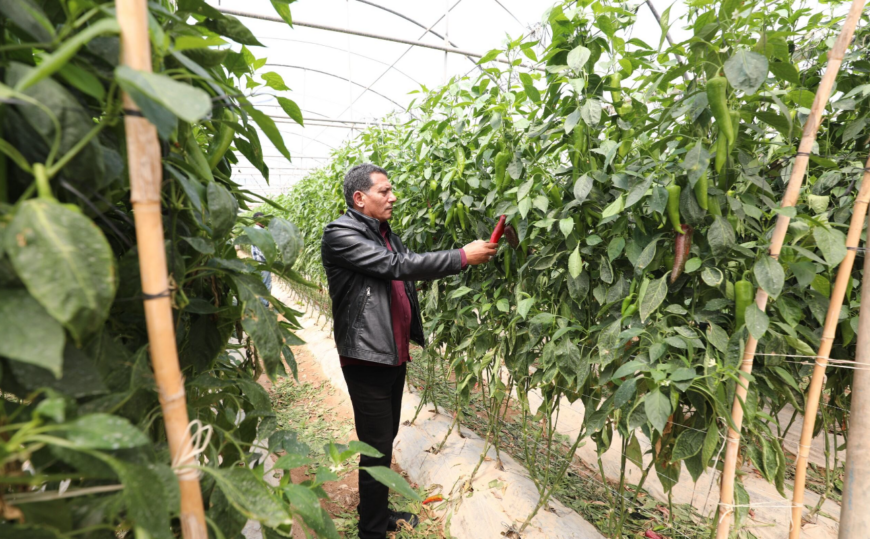
The Grow Economy project supports many more farmers like Naeem, to building a cohesive agricultural sector that promotes inclusive livelihoods and contributes effectively to the local economy in Jordan.
** Names have been changed to protect the participants’ privacy and confidentiality.