Since 2012, Acted has played a crucial role in supporting communities across Syria. Based in Damascus since 2025, Acted applies an area-based, conflict-sensitive, and multisectoral approach that combines life-saving assistance with early recovery and long-term resilience. By supporting displaced population and returnees, Acted strengthens access to livelihoods, housing, and basic services to create conditions for dignified returns while easing pressure on host communities. Through technical leadership across Camp Management and Coordination (CCCM), water and sanitation (WASH), Shelter, agriculture, and market recovery, and hydrogeological research to enhance water governance, Acted promotes climate-smart solutions. Acted also plays a key role in humanitarian coordination, ensuring coherent responses.
Syria continues to face complex humanitarian and recovery challenges after more than 14 years of crisis. Since late 2024, the context has shifted: returns are creating opportunities for early recovery and reconstruction, while some communities experience secondary displacement. 16.5 million people require assistance, with 7.1 million still internally displaced. Families struggle with inadequate housing, livelihoods, water, and essential services amid extreme poverty. Localised insecurity, UXO contamination, and governance transitions limit access and the supply of goods. Meanwhile, recurring droughts, water scarcity, and environmental degradation further strain agriculture, markets, and community resilience, underscoring the need for integrated humanitarian and development action.
Acted in Syria
3ZERO in Syria
Acted’s work in Syria combines emergency response with early recovery and resilience-building, guided by its 3ZERO vision: Zero Exclusion, Zero Carbon, Zero Poverty. Since 2012, Acted has supported displaced populations and host communities, ensuring that emergency aid also strengthens local capacities, social cohesion, and long-term recovery. The evolving context since late 2024, marked by both returns and secondary displacement, makes Acted’s integrated approach more critical than ever, helping communities rebuild essential services, restore livelihoods, and prepare for a stable and sustainable future.
Zero Exclusion
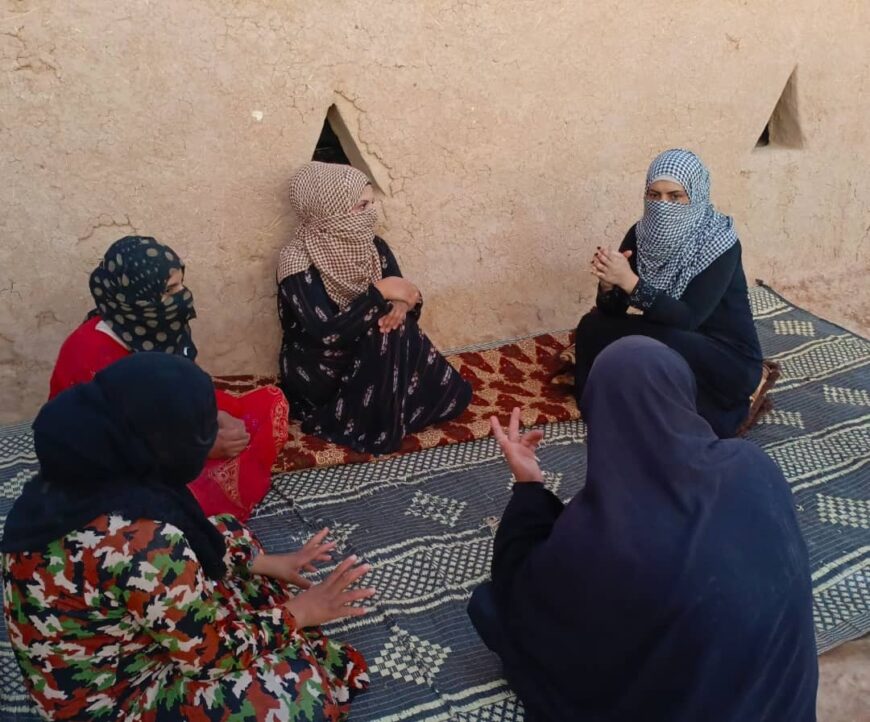
Acted ensures inclusive access to essential services, particularly for displaced people, returnees, women, young people, and vulnerable households. By empowering local actors, civil society, and community structures, Acted strengthens the delivery and sustainability of assistance while promoting social cohesion and equitable recovery.
Zero Carbon
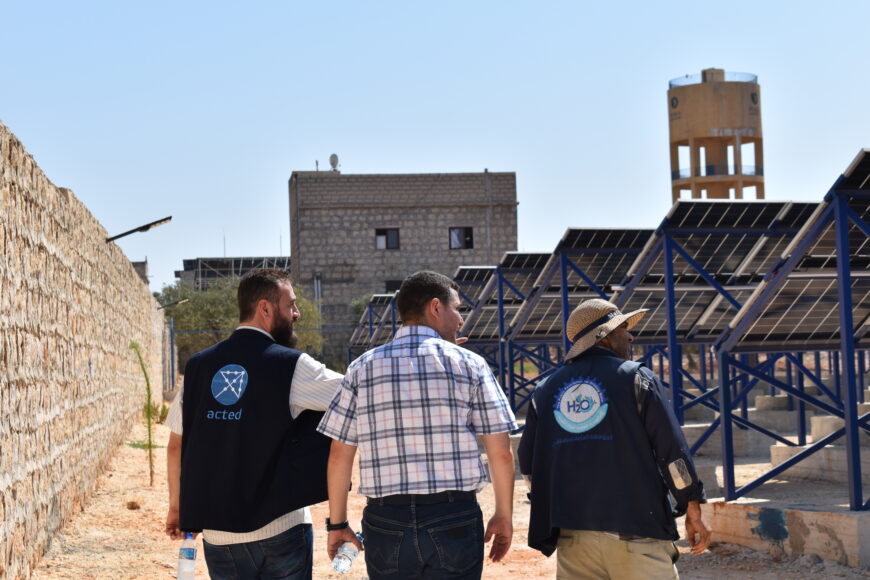
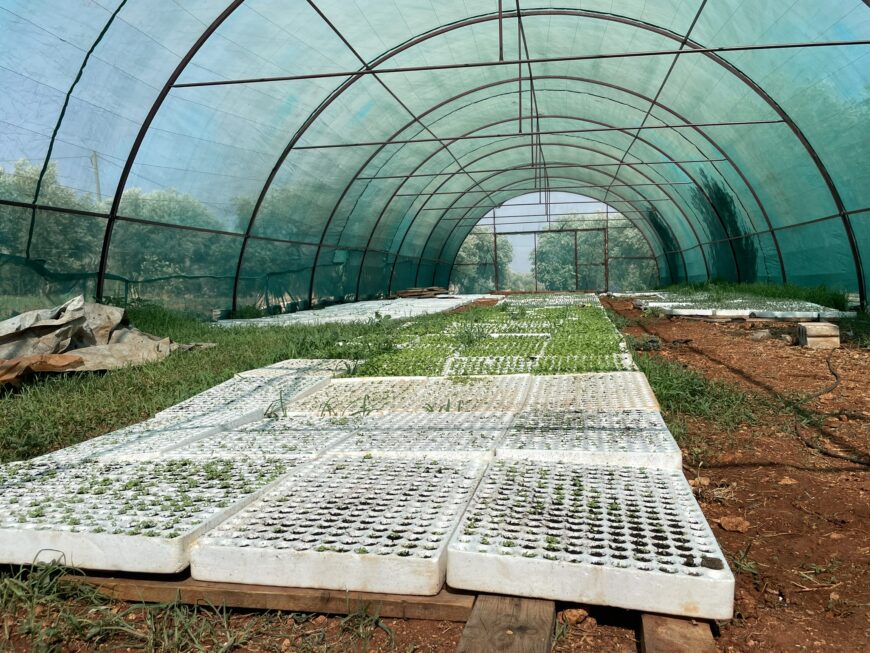
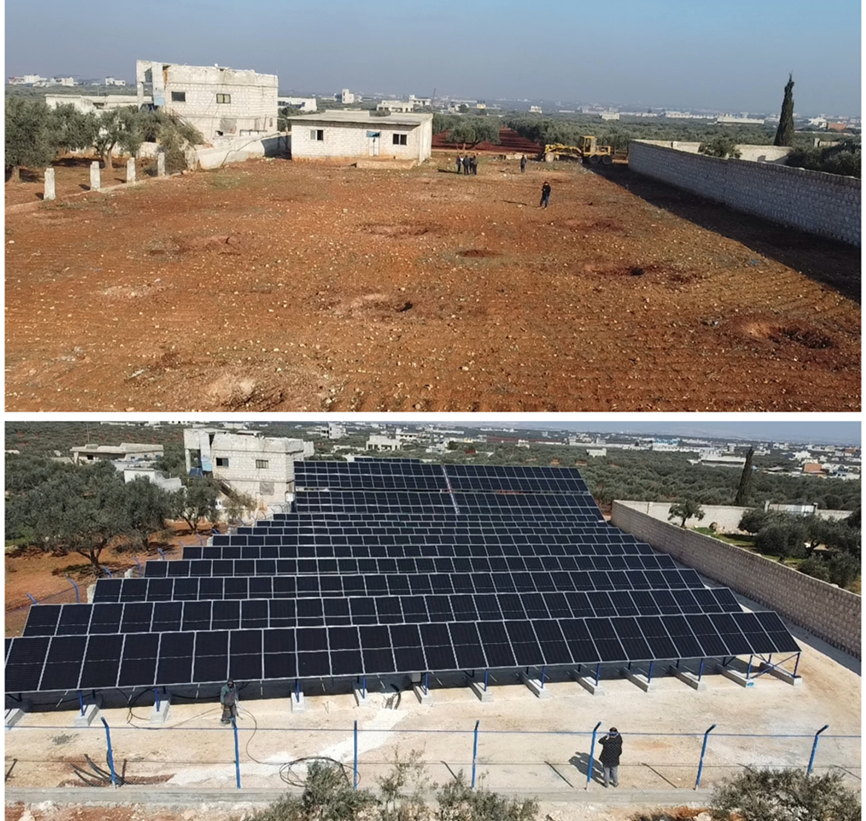
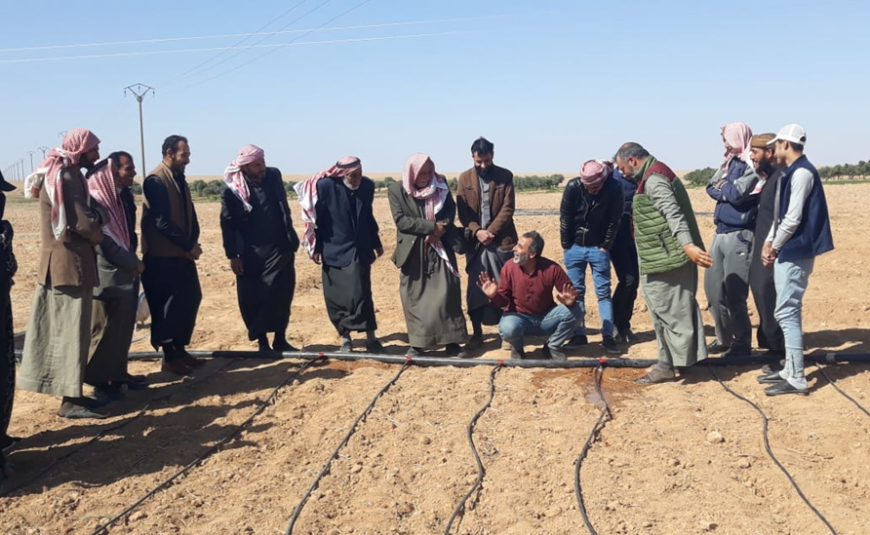
Acted addresses environmental challenges through climate-smart approaches, sustainable water management, and renewable energy solutions, helping communities adapt to droughts, water scarcity, and land degradation. Green livelihoods and training connect environmental sustainability with income generation, enhancing long-term resilience.
Zero Poverty
Acted supports livelihoods, entrepreneurship, and market access to help households recover economically. By combining skills development, local capacity building, and support for economic opportunities, Acted fosters locally owned solutions that strengthen families and communities.
Acted Syria advances recovery and resilience across the country through its flagship programmes: AGORA, CCCM, and Catalyst.
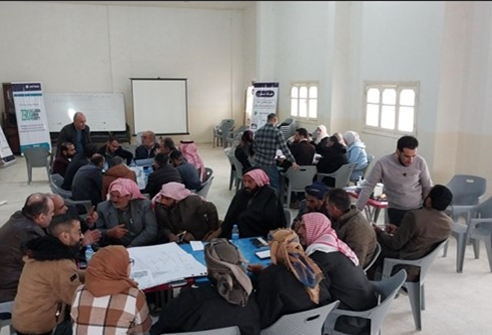
AGORA, implemented through the Area-Based Approach, has supported 14 communities since 2021 by developing community-driven recovery plans. It brings together IDPs, returnees, and host communities in a conflict-sensitive framework, working in partnership with local actors and REACH to foster social cohesion and strengthen local governance.
Catalyst strengthens the capacity of local civil society organisations, enabling them to deliver sustainable services, enhance accountability, and lead locally owned recovery processes.
Together, these programmes bridge emergency response, early recovery, and longer-term development.
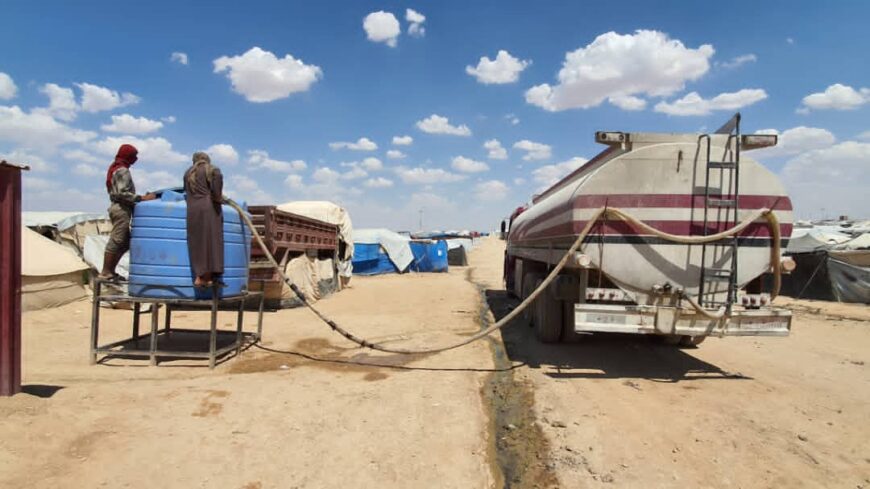
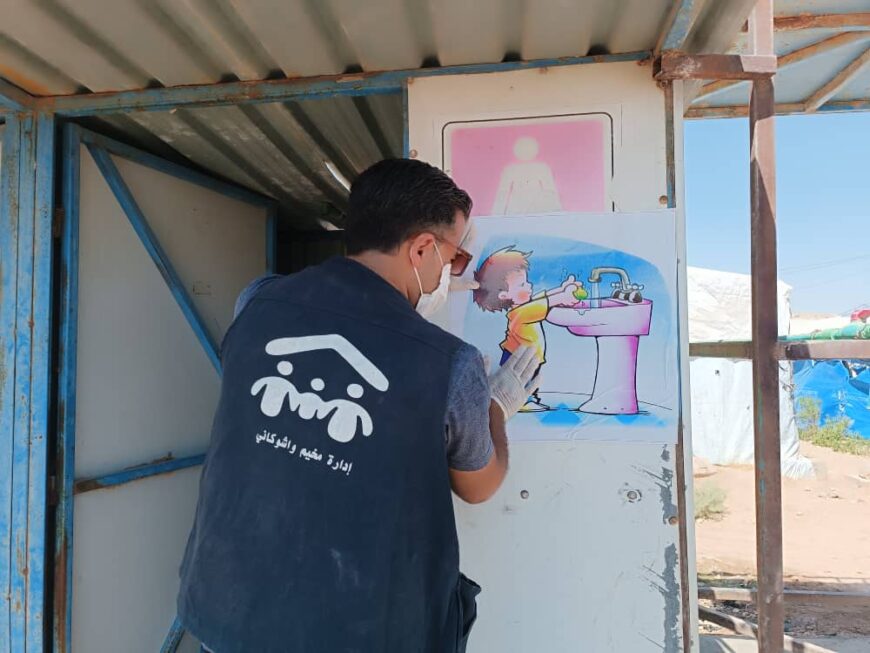
CCCM ensures coordination, access to essential services, protection, and safe infrastructure across 131 camps and settlements.
ACTED, 2017
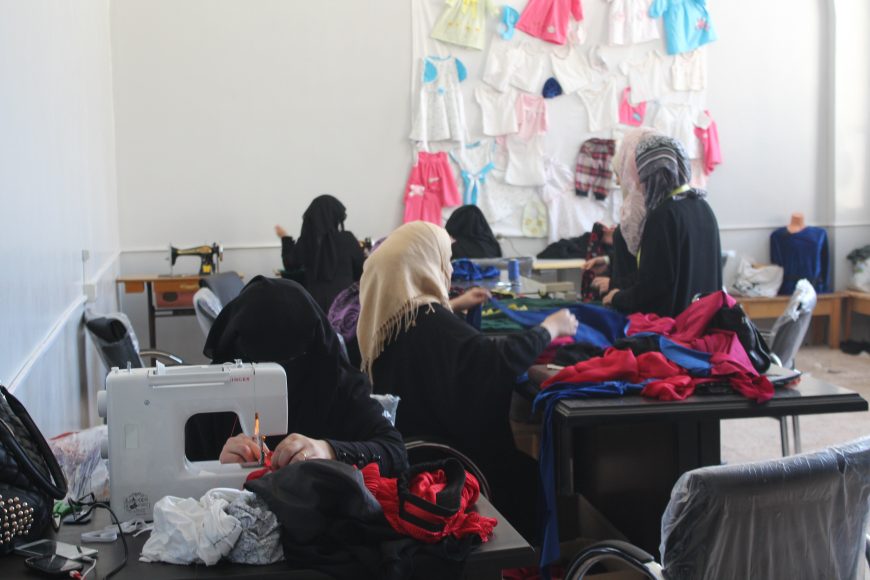
Women participating in livelihoods training in northern Syria
ACTED, 2017
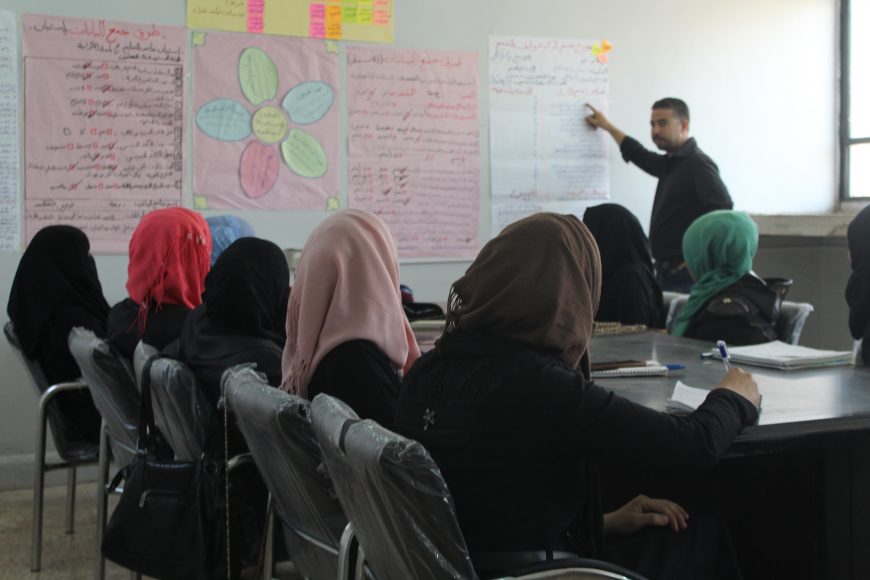
Women participating in livelihoods training in northern Syria
ACTED 2017
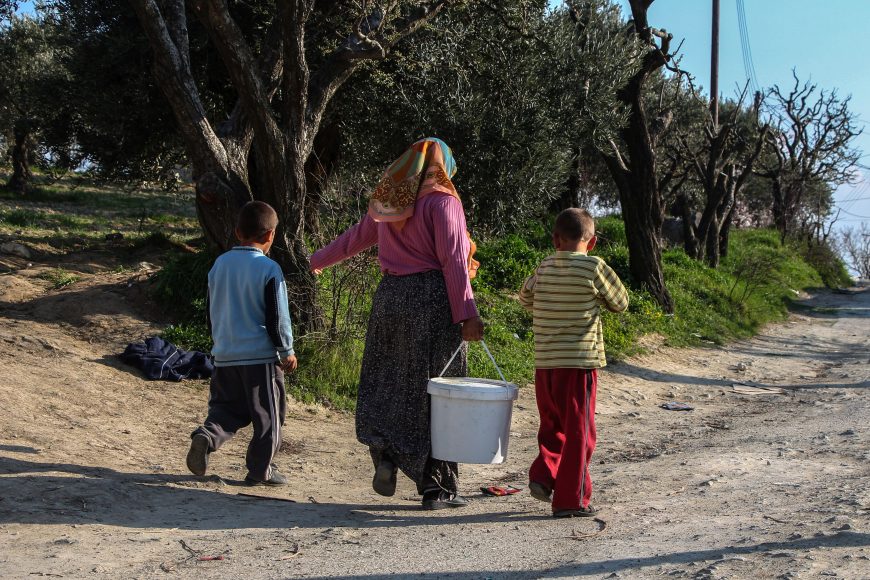
A woman, head of household, collecting her fertilizer (distributed by ACTED partners) as part of a home gardening kit programme, Northern Syria
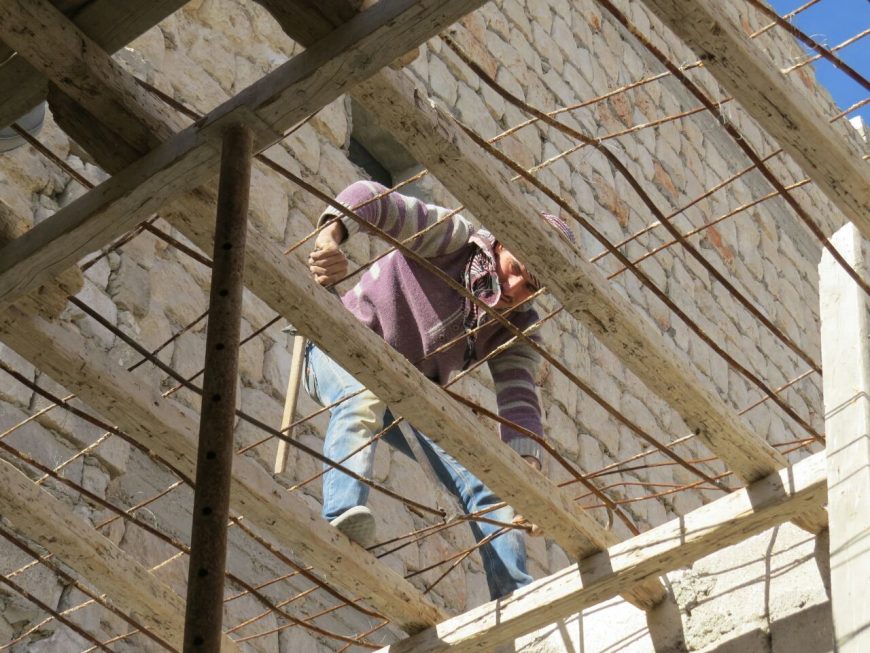
ACTED, 2017
A subcontractor carried out the roof and ceiling repair of one of the 550 houses selected by ACTED for rehabilitation because of their insalubrity