This World Environment Day, Acted celebrates the power of ecosystem restoration to strengthen livelihoods, foster social cohesion, and build climate resilience in some of the world's most vulnerable landscapes. Through its THRIVE initiative and its global technical partnership with African Rangelands, Acted is helping communities restore degraded ecosystems while creating pathways towards sustainable development.
54 percent of the world is covered by rangelands, supporting more than 500 million people that rely on pastoralism for their livelihoods. These rangelands are home to some of the populations most exposed and vulnerable to climate change globally. Yet these landscapes also hold immense potential for climate adaptation, biodiversity conservation, carbon sequestration, and sustainable economic development.
Recognizing this potential, Acted has developed the THRIVE Initiative, a holistic framework that addresses the interconnected challenges of ecosystem degradation, poverty, and social instability. THRIVE supports communities in restoring their natural environment, using proven rangeland management practices, while strengthening economic opportunities and resource governance.
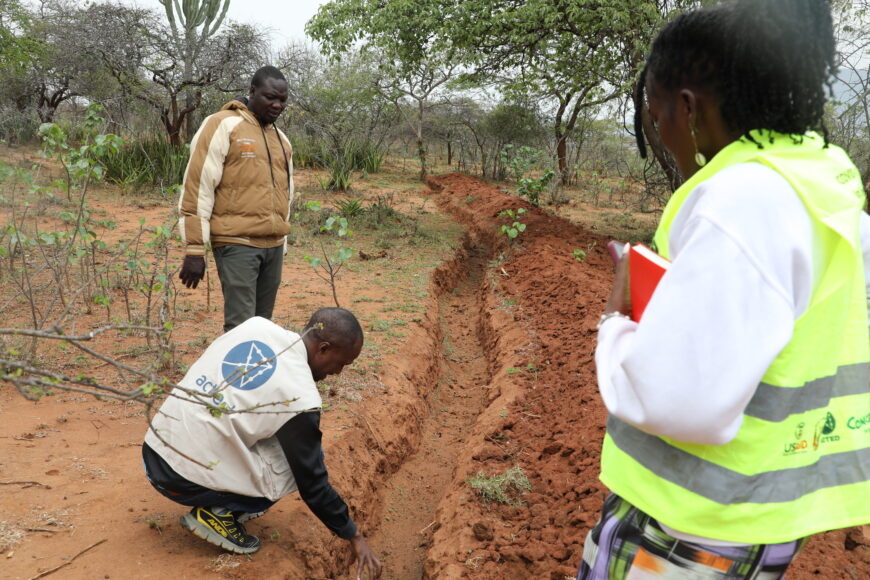
Earthworks at West Pokot, Kenya
The initiative has already delivered significant results. Across its programmes, Acted has supported the rehabilitation of more than 10,000 hectares of degraded land through 262 agropastoral field schools, established over 12,600 perma-gardens, and facilitated the planting of more than 350,000 trees. More than 7,600 individuals have received training in climate-smart agricultural practices, while hundreds of agribusinesses and productive infrastructures have been supported to strengthen local economies and food systems. These efforts have contributed to improved pasture availability, increased food production, and stronger community-based natural resource management.
At the heart of this work lies a growing recognition that healthy rangelands are essential for resilient communities.
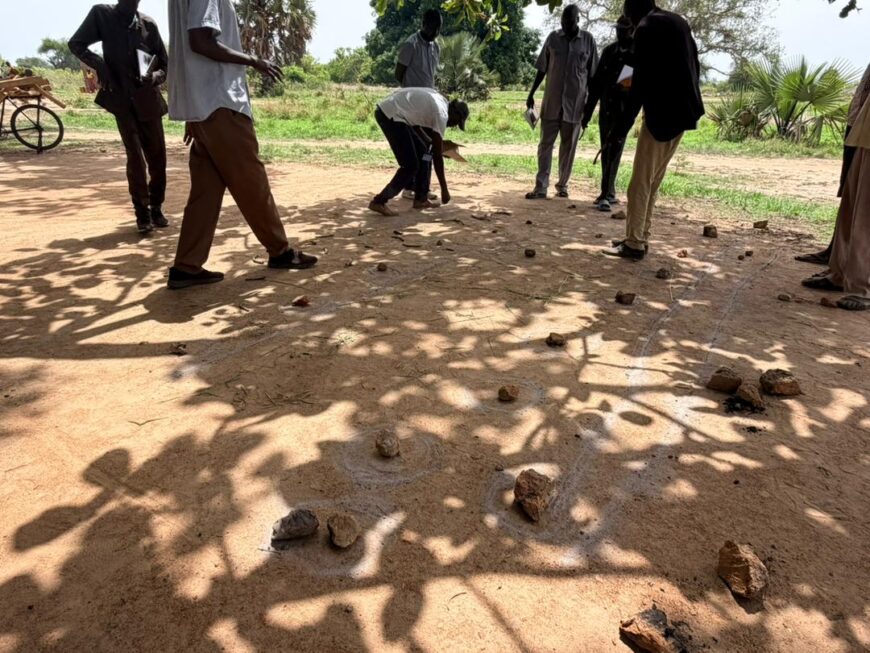
Planning the rotational grazing of herds in Bahr El Ghazal
Advancing global expertise through partnership
To further strengthen its impact, Acted has established a global technical partnership with African Rangelands, a leading organization dedicated to regenerative rangeland management. In the last weeks, African Rangelands has been on a mission through West Pokot in Kenya, Western and Northern Bahr el Ghazal in South Sudan and Afar in Ethiopia to work with pastoralist communities on rangeland management plans and to introduce planned grazing. Planned grazing is an approach to land and livestock management that carefully plans where, when and for how long animals graze to restore grasslands. Most pastoral systems globally utilize some form of planned grazing, but these approaches have been degraded because of demographic pressure, conflict, and climate change. Re-introducing this approach is at the core of THRIVE.
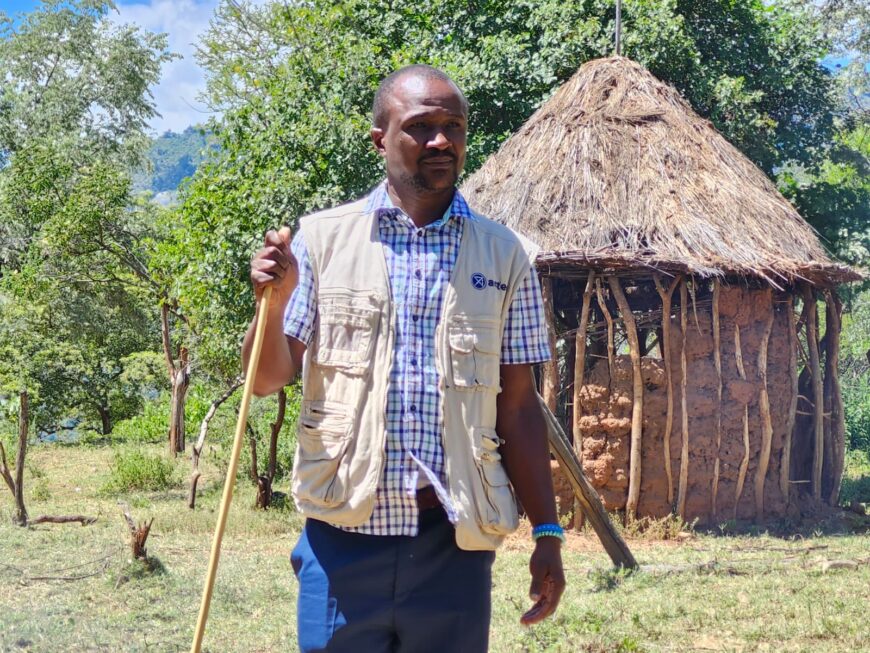
Acted's program manager, Christopher Nzioka, at a site in Alale, West Pokot, Kenya
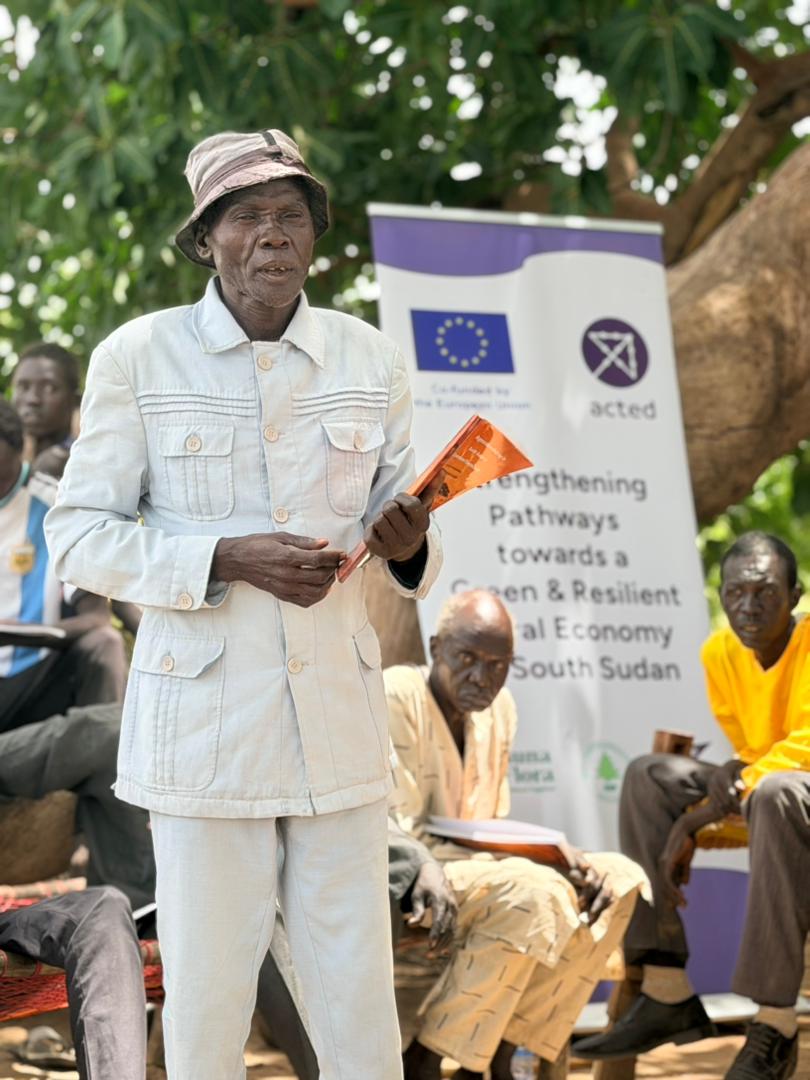
Participants of a holistic grazing training as a part of an EU funded project in Wau, Western Bahr el Ghazal, South Sudan
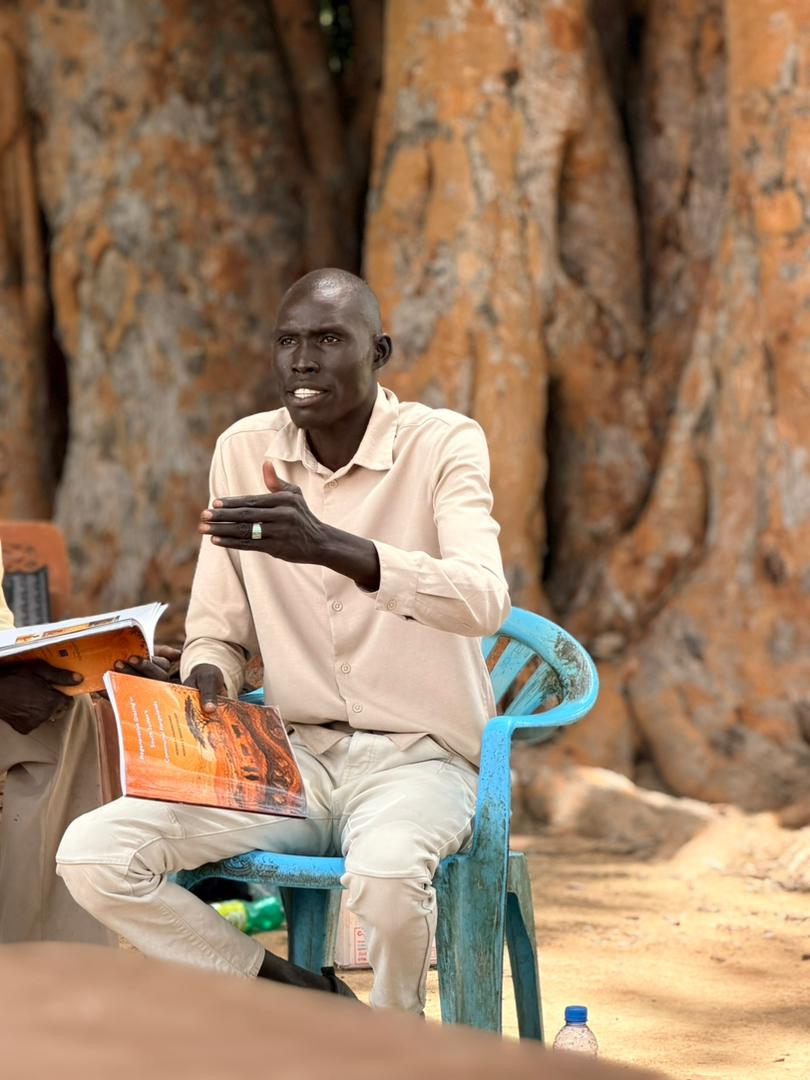
Participant engaging in the holistic grazing training
This collaboration brings together international expertise in holistic grazing, intensive restoration approaches, and community-led stewardship of natural resources.
Through this partnership, Acted is integrating cutting-edge approaches to rangeland restoration into its programmes across pastoral regions in East Africa and beyond. By combining local knowledge with proven restoration techniques, communities are supported to improve soil health, restore vegetation cover, enhance water retention, and increase the productivity of livestock systems.
The partnership reflects a shared vision: restoring ecosystems is not only an environmental imperative, it is also a pathway to stronger livelihoods, greater food security, and more peaceful resource governance.