For vulnerable families living in displacement sites across northwest Syria, daily life comes with challenges that go beyond losing their homes. Poor infrastructure, limited services, and overcrowded living conditions can make even simple daily tasks difficult. In Alhwary Camp in Idleb, residents faced growing concerns over camp conditions which affected their safety and wellbeing.
In response, and with support from the European Union, Acted provided urgent humanitarian relief through Camp Coordination and Camp Management (CCCM) activities and Cash-for-Work initiatives, supporting residents to address these critical needs and better meet basic services.
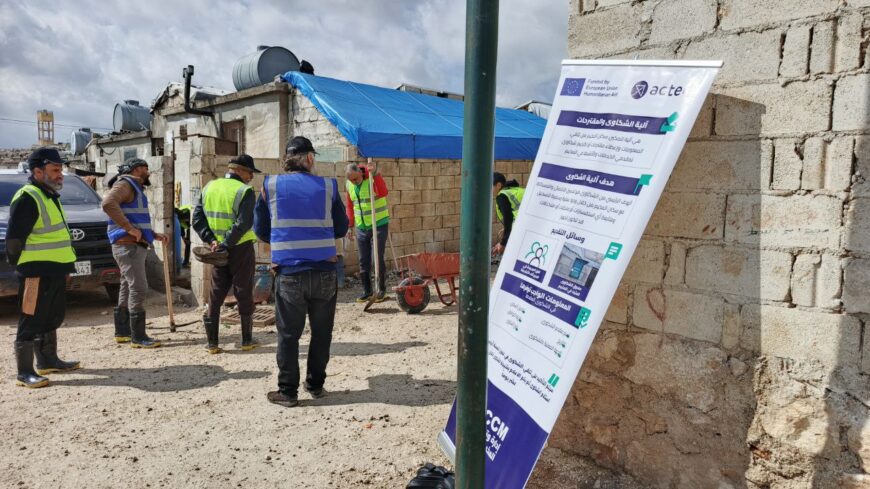
In Alhwary Camp, residents faced a range of challenges that affected their safety, wellbeing, and daily living conditions. Waste accumulation, damaged roads, and inadequate street lighting made movement within the camp difficult, particularly for women, children, and older persons. For many families, these challenges affected not only their daily routines but also their sense of safety and dignity within the camp.
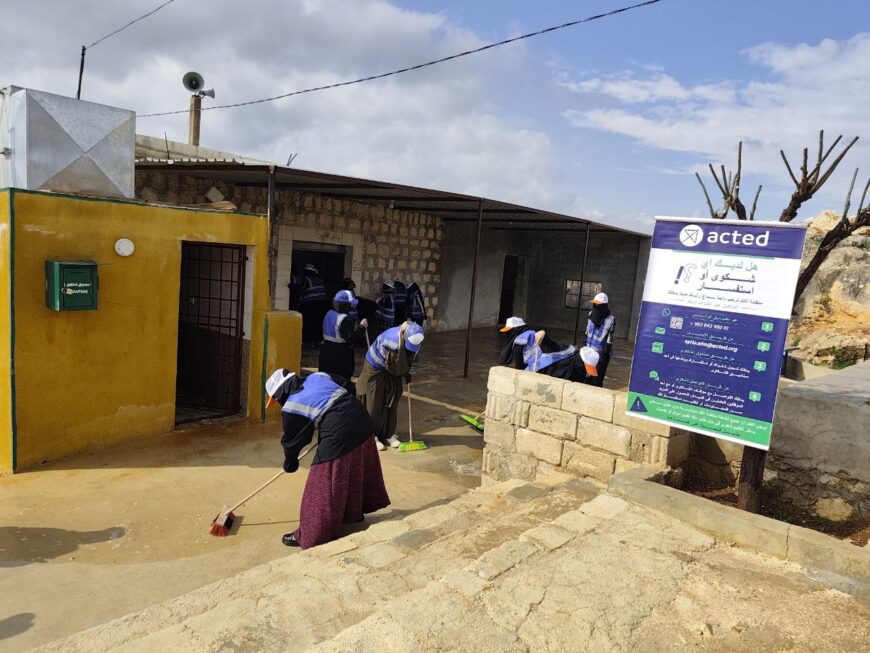
To respond to these needs, Acted supported camp residents to carry out site maintenance via cash-for-work programming. These community-led initiatives aimed to contribute to safer and more dignified living conditions for displaced families. Cash-for-Work activities provided temporary employment opportunities for 848 camp residents, who participated in cleaning campaigns, maintenance works, road rehabilitation, and public hygiene awareness sessions.
Communities Taking Actions
Alongside these activities, the project strengthened coordination mechanisms and two-way communication channels between residents and camp management, enabling community members to voice their concerns and priorities more effectively. Referral pathways for protection services were also reinforced to improve access to support for the most vulnerable groups. Together, these interventions contributed to creating a cleaner, safer, and more organised camp environment.
From Challenges to Change
Walid, the manager of Alhwary Camp, was able to witness the transformation of the camp from the first stages of the activities. After months of hearing residents’ complaints about waste accumulation, poor lighting, and deteriorated roads, he began to see visible improvements across the camp. Streets became cleaner, movement within the camp became easier, and residents felt safer using public spaces after dark.
For Walid, one of the most meaningful aspects of the intervention was seeing residents actively contribute to the improvement of their own community:
When the Cash-for-Work activities started, people felt that real change was taking place. Young people from the camp participated in cleaning the streets and removing waste, and the lighting poles on the main roads were repaired. This helped restore a sense of safety among residents, especially women and children at night.
The activities not only improved infrastructure but also strengthened the sense of community. Residents who had previously felt frustrated by deteriorating conditions began to see practical solutions being implemented around them. According to Walid, this renewed people’s confidence and encouraged greater cooperation among community members.
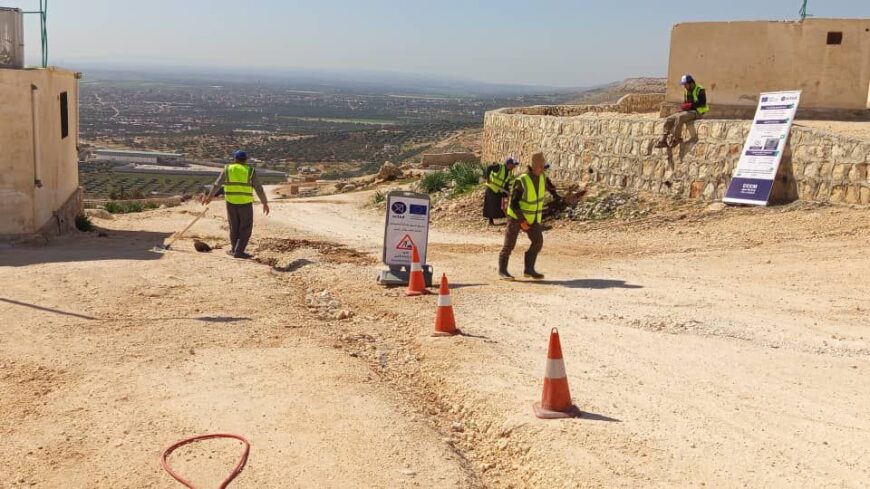
Today, the results of these activities can be seen across Alhwary Camp. Cleaner public spaces, safer pathways, improved lighting, and stronger community engagement have all contributed to creating a more dignified environment for displaced families. Beyond the physical improvements, the project strengthened cooperation among residents and encouraged a shared sense of responsibility for maintaining the camp, whilst also providing an opportunity for economic gain.
Today, I feel proud when I see the cooperation among residents and how these activities have contributed to improving our daily lives, giving people hope and a sense of dignity and stability inside the camp.
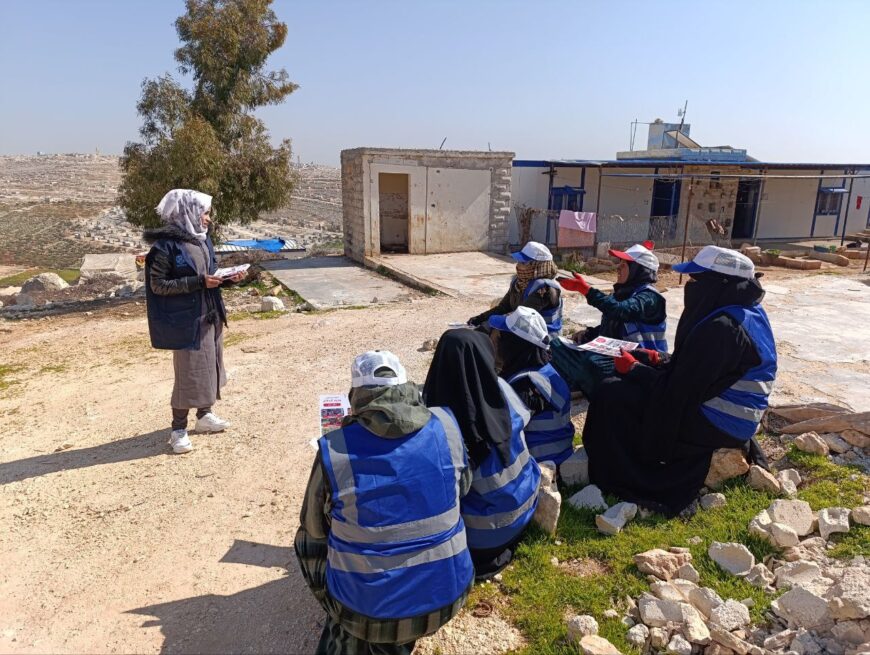
For residents of Alhwary Camp, these improvements represent more than infrastructure upgrades, they demonstrate how community-led action, supported through CCCM and Cash-for-Work initiatives, can contribute to safer, more dignified living conditions while strengthening social cohesion and resilience among displaced families.