Somalia is experiencing an escalating, multi-dimensional humanitarian crisis fuelled by overlapping climate shocks, disease outbreaks, and ongoing conflict. Extended periods of drought and below-average rainfall have severely affected agricultural output and livelihoods, while sudden flash and riverine floods have caused widespread damage to critical infrastructure. Together with continued insecurity, these pressures have resulted in significant levels of internal displacement.
As Somalia continues to experience multiple and overlapping shocks, vulnerable households are increasingly exposed to severe humanitarian conditions. As of early 2026, the food security situation in Somalia remains critical. According to the Food Security and Nutrition Analysis Unit (FSNAU) and IPC analysis, approximately 6.5 million people are projected to face high levels of acute food insecurity (IPC Phase 3 or above) between February and March 2026, including over 2 million people in IPC Phase 4 (Emergency), characterized by severe food consumption gaps and elevated levels of acute malnutrition. While a slight seasonal improvement is anticipated, an estimated 5.5 million people are still expected to remain in IPC Phase 3 or above during the April to June 2026 period, indicating continued inability to meet basic food needs without resorting to negative coping strategies.
To effectively and rapidly respond to different emerging shocks and ongoing humanitarian needs, including Protection risks, the Somali Cash Consortium (SCC) of which Acted is a key partner, delivers Multipurpose Cash Assistance (MPCA) to crisis-affected households following alerts and rapid joint needs assessments. Funded by DG ECHO and the Swiss Agency for Development and Cooperation (SDC), the project is designed to alleviate the suffering of newly displaced households impacted by conflicts, droughts, flash and riverine floods, and other protracted crises/shocks across Somalia. Through flexible, timely cash support, the SCC enables vulnerable families to meet their urgent basic needs while restoring dignity and strengthening their capacity to cope with shocks.
Restoring Hope: Enabling Displaced Families in Afgoye to Access Basic Services through MPCA
Afgoye District, located in the Lower Shabelle, continues to be severely affected by overlapping shocks, including recurrent conflict and drought. These crises have resulted in large-scale displacement and have significantly increased the vulnerability of affected communities, particularly in relation to protection risks. This situation has created an urgent need for coordinated humanitarian assistance driven by compounded and recurring emergencies. To better understand the evolving needs and vulnerability levels, Acted, in collaboration with the other protection partners, participated in a joint Multisectoral Rapid Needs Assessment in Afgoye.
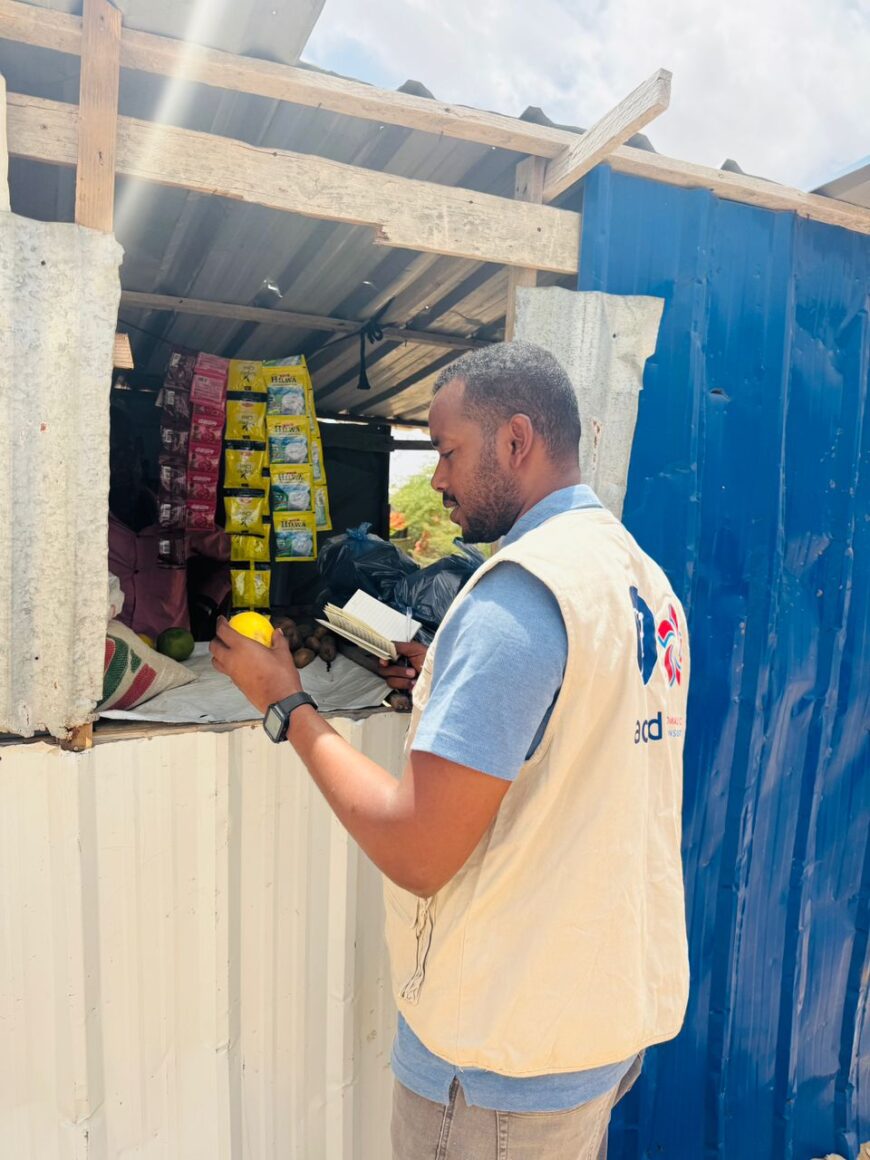
The exercise included mapping of protection partners and revealed significant protection concerns, as well as critical gaps in referral pathways for highly vulnerable households affected by drought and conflict. In response, Acted, in partnership with the Somali Cash Consortium, provided MPCA to 200 vulnerable households identified through protection referrals. Acted used the Single Registration Form to register referred beneficiaries and verify their eligibility for support. The Single Registration Form (SRF) is a standardized tool used to verify beneficiary eligibility for MPCA support through an automated scoring system, while preventing duplication via a centralized biometric database, facilitating inter-agency referrals, improving targeting of vulnerable households, and enabling data-driven decision-making. These households had been exposed to multiple protection triggers and were prioritized for support to reduce their vulnerability and enhance their coping capacity. Each household received three cycles of cash transfers over three months.
From desperate to hope: Halima’s Transformed Life through MPCA
Halima Abdukadir Hassan, a 40-year-old mother of nine children (four girls and five boys), was among those forced to flee her home in Qoryoley after recurrent drought and escalating conflict destroyed livelihoods and heightened protection risks. Widowed and solely responsible for her family, she fled in search of safety and arrived at Dhigoley IDP Camp in Afgoye District with nothing but hope for stability. Displacement brought immense hardship, leaving her unable to meet even the most basic needs of her children and exposing the family to severe vulnerability. After a difficult period, Halima was identified through a protection referral. Having met the vulnerability-based targeting criteria and verified through the SRF tool, Halima was registered as one of the 200 households to receive three cycles of MPCA through Acted’s emergency response, supported by SDC through SCC. Receiving USD 90 per month for three consecutive months, she was able to address urgent household needs such as food, water, and other essentials, significantly reducing immediate pressures and restoring a sense of stability within her family. Living in the IDP camp with no reliable source of income, Halima initially relied entirely on the assistance to survive. However, when she received her first cash installment, she made a strategic and forward-looking decision. Rather than using the full amount solely for consumption, she began saving a portion from each transfer. Over the three cycles, she accumulated savings of USD 150, an amount that would later transform her family’s future. With these savings, Halima took a bold step to establish a small income-generating activity within the camp. She traveled to the nearby Afgoye market to source affordable, high-demand items such as fresh vegetables, onions, tomatoes, rice, cooking oil, and essential household goods including soap, sugar, and detergents. These were items that many displaced families struggled to access due to distance, transportation costs, and insecurity.
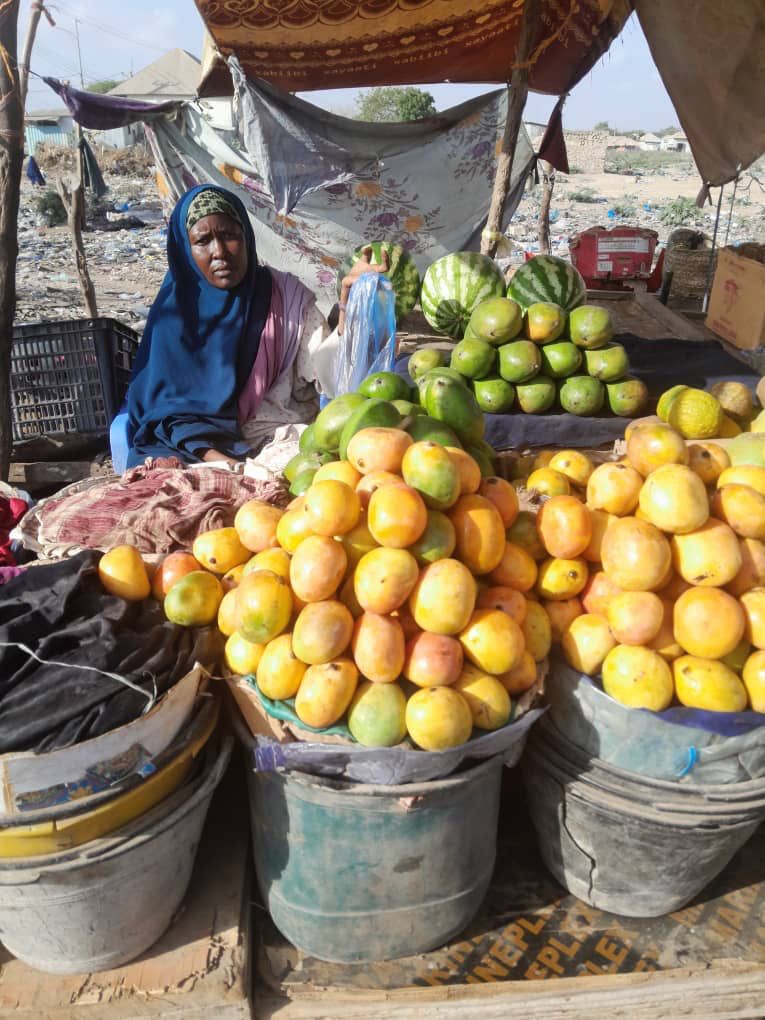
Halima sitting in her shop
Back in the settlement, Halima constructed a modest kiosk beside her shelter using wooden poles and plastic sheeting. It quickly became one of the few functioning shops in that section of the camp, attracting nearby residents who valued the convenience. Mothers, in particular, appreciated having access to essential goods without traveling long distances, while elderly community members relied on the accessibility and trust Halima provided. As her customer base grew, Halima reinvested part of her earnings to restock and gradually diversify her products. Within a short period, her small vegetable stall expanded into a more comprehensive kiosk offering a wider range of daily necessities.
In this camp, everything felt uncertain at first, but starting my small business has given me strength and direction. It showed me that even here, I can rebuild and support my family’s future.
The business evolved into a small hub of activity within the settlement and a visible example of resilience despite challenging living conditions. The income generated from her kiosk began to transform her household. Halima could now provide more regular and nutritious meals for her children, reducing reliance on borrowing and negative coping mechanisms. She also started saving small amounts weekly, enabling her to purchase school supplies and uniforms so her children could attend school. In addition, she was better able to meet basic healthcare needs, thereby improving her family’s overall well-being.
Halima described the change with pride:
Before receiving the cash assistance, I felt overwhelmed and without direction. Today, I have regained purpose. My business supports my children’s daily needs, keeps them in school, and gives me confidence in tomorrow.
Her journey highlights how Cash Assistance can go beyond addressing immediate needs to create pathways toward self-reliance and dignity. Through determination and the timely support she received, Halima has not only improved her family’s living conditions but has also become an inspiration to other women in the camp, demonstrating that recovery and rebuilding livelihoods is possible even in displacement.
Halima expressed her appreciation for the cash assistance provided by Acted, with the support of SDC through SCC.
Acted extends its gratitude to SDC for their continued partnership, which has enabled vulnerable displaced households like Halima’s to move beyond immediate survival and gradually rebuild their lives with dignity and resilience in displacement settings.