In Dergera Kebele, Afar Region, years of drought and economic instability left many women struggling to feed their families. For Amina, a 34-year-old mother of five, survival depended on selling livestock during emergencies. Through an integrated livelihood and nutrition programme implemented by Acted and partners between 2024 and 2025, vulnerable women received permagarden training, tools, and seeds to build climate-resilient food sources. Today, Amina’s backyard garden is not only feeding her children but generating income and restoring her confidence in the future.
Afar’s agro-pastoral communities continue to face the combined effects of climate shocks and conflict, resulting in food insecurity and land degradation. Under the project “Broadening Integrated Livelihood and Nutrition Response to Drought and Conflict-Affected Populations”, Acted, in partnership with Première Urgence Internationale and Triangle Génération Humanitaire, supported vulnerable households across Awsi, Kilbati and Fanti zones from June 2024 to August 2025.
The programme combined nutrition support, cash assistance, land restoration, agricultural training and livelihood diversification. In total, 11,299 people were reached, half of them women. Among them were 160 women households who established permagardens, improving access to fresh vegetables while strengthening long-term food security.
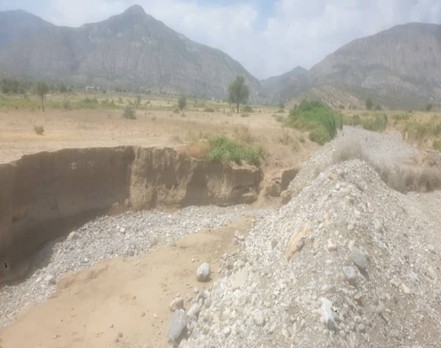
Before: Gully area in Hermali Kebele prior to gabion construction.
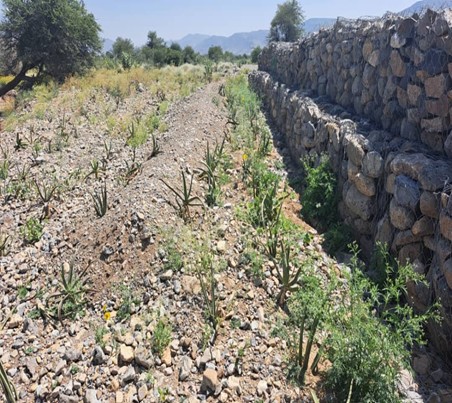
After: Restored farmland following gabion construction.
Growing Food, Growing Confidence
Amina was one of the beneficiaries selected for the permagarden activity due to her high vulnerability and limited income sources. Before the intervention, her household relied on occasional livestock sales, which were unpredictable and unsustainable during drought periods. Food shortages were common, and purchasing vegetables from local markets was often unaffordable.
Through the project, Amina received hands-on training in soil preparation, composting, crop diversification and water-efficient techniques. She was provided with essential gardening tools, vegetable seeds including onions, tomatoes and peppers, as well as fruit seedlings.
Within months, her small plot transformed into a productive garden.
My children now eat vegetables regularly. Before, we only bought them when we had extra money. Now I harvest them from my own land.
Beyond improving household nutrition, Amina began selling surplus produce at the local market. For the first time, she established a steady source of income independent from livestock. Across the five supported woredas, similar permagardens benefited 984 individuals, and one participant generated up to 10,000 ETB from surplus sales, contributing even to local market price stabilization.
Restoring Land, Restoring Livelihoods
While households strengthened food production at home, broader environmental recovery was also underway. In Abala and Chifra woredas, severe gully erosion and flooding had rendered farmland unusable. Joint assessments with woreda specialists identified priority sites for intervention.
Through Cash-for-Work activities, community members constructed gabion structures and implemented water harvesting systems. In Abala alone, 100 hectares of land were rehabilitated, allowing farmers to reclaim abandoned fields and resume cultivation of sorghum, maize and teff. In Chifra, although 25 hectares were targeted, approximately 40 hectares have regenerated due to effective conservation measures.
For many families, this meant renewed agricultural productivity and short-term income through paid participation in the works. A total of 229 workers were engaged in environmental restoration activities, while 16,150 sisal seedlings were planted in 5 woredas to stabilize soil and prevent further degradation.
The visible environmental recovery has strengthened community confidence and encouraged local authorities to replicate similar interventions in other areas.
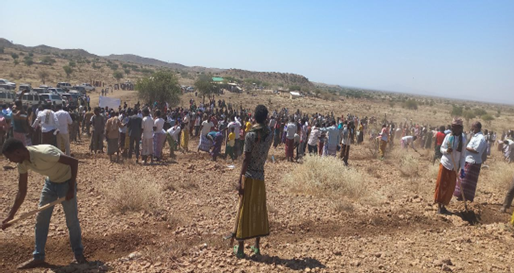
Before: Land prior to water harvesting work in Chifra woreda.
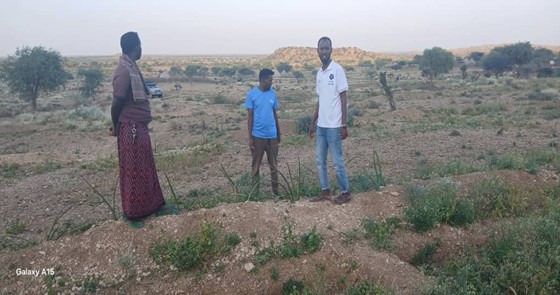
After: Restored rangeland after water harvesting.
From Vulnerability to Entreprise
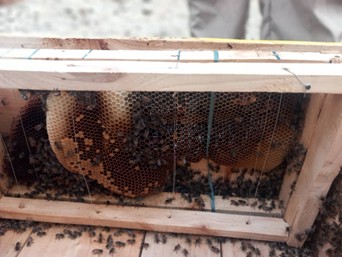
Livelihood diversification also extended beyond household gardens. In Berahle woreda, the Solomango Beekeeping Cooperative, composed of 50 members including 20 women, transitioned from inactivity to becoming a functioning enterprise.
Before the project, the cooperative lacked hives, capital and technical knowledge. Acted provided governance and business training along with 30 modern hives, bee colonies and harvesting equipment. The first honey harvest is expected before the end of the year, creating new income opportunities.
Similarly, six cooperatives across the project areas were established or strengthened, including two women-led groups. One cooperative rehabilitated a community grinding mill, benefiting more than 500 people and significantly reducing women’s workload.
These initiatives demonstrate a shift from short-term coping strategies toward structured, income-generating enterprises capable of sustaining communities beyond the project’s lifespan.
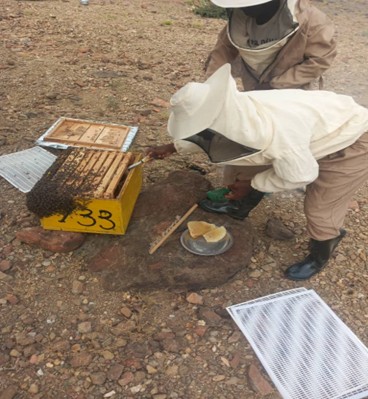
Honey production by the Solomango Beekeeping Cooperative.
Through integrated support combining permagardens, agricultural training, land restoration, cooperative development and cash assistance, Acted and its partners have contributed to measurable improvements in food security and resilience in Afar.
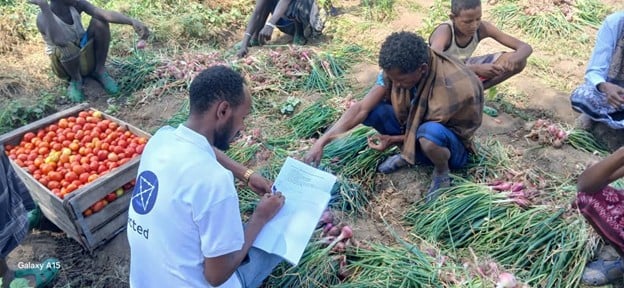
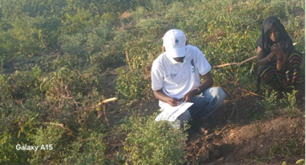
APFS groups harvesting onion and tomato.
For Amina, the impact is tangible and immediate. Her family eats better, her income is more stable, and she is planning to expand her garden and diversify her crops. At community level, restored farmland, regenerated rangelands and functioning cooperatives signal a transition from crisis response to long-term resilience building.
By strengthening both people and the land they depend on, the project lays a foundation for sustainable recovery in some of Afar’s most climate-affected communities.