Acted has been operating in the occupied Palestinian territory since 2007, addressing both immediate humanitarian needs and long-term development challenges. With strong presence in the West Bank and Gaza, Acted leverages local networks and community participation to deliver effective, adaptive programming. Its added value lies in innovative approaches, including cash-based assistance, multi-sectoral programs, and community-driven initiatives, alongside expertise in shelter, livelihoods, food security, nutrition, water and sanitation and site management.
By partnering with local organisations, Acted strengthens community ownership and accesses hard-to-reach areas. Guided by its 3ZERO Strategy, Acted mainstreams inclusion, environmental stewardship, and resilience-building across all interventions.
Since October 2023, 68,643 fatalities and 170,655 injuries have been reported as of October 2025 by the Palestinian Ministry of Health. According to an IPC Projection, around 2.1 million people (almost 99%) are now experiencing acute food insecurity, with severe malnutrition. The shelter cluster assessed 1.48 million people (70% of the population) in need of emergency shelter items in November 2025.
In the West Bank, violence has also intensified, with over 938 Palestinians killed, 3,164 structures demolished, and rising settler violence driving forced displacement. These developments have compounded protection concerns, restricted movement, and increased humanitarian needs.
Acted in the Occupied Palestinian Territory
Acted’s work in the oPt is anchored in the 3ZERO vision, striving toward Zero exclusion, Zero carbon and Zero poverty. Operating at the nexus of humanitarian response, early recovery, and development, Acted addresses the structural drivers of vulnerability linked to displacement, conflict, climate stress, and economic marginalisation.
Acted implements life-saving assistance, strengthens local capacities, and promotes long-term locally-driven resilience, including:
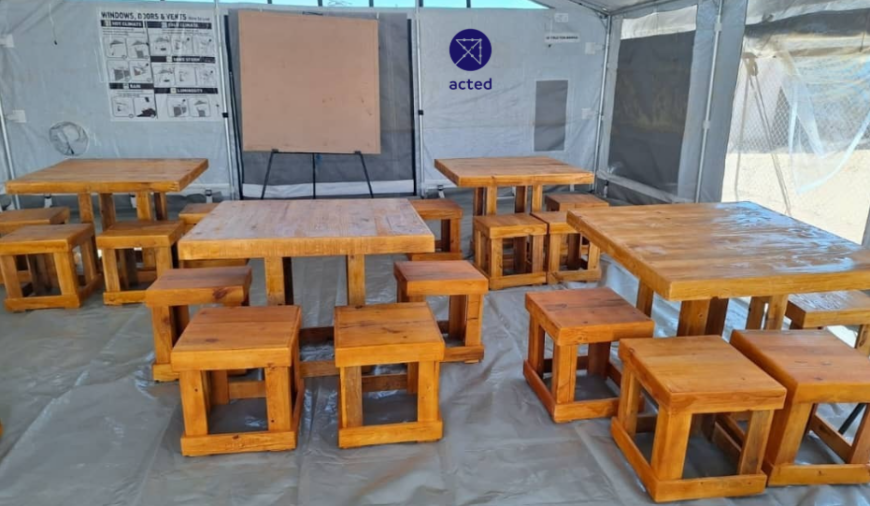
- Site management in displacement sites in Gaza, including coordination, service mapping, and site improvements
- Distribution of shelter and non-food items to vulnerable households affected by displacement and violence in Gaza and in the West Bank
- Provision of hygiene kits and promotion of hygiene practices in Gaza and the West Bank
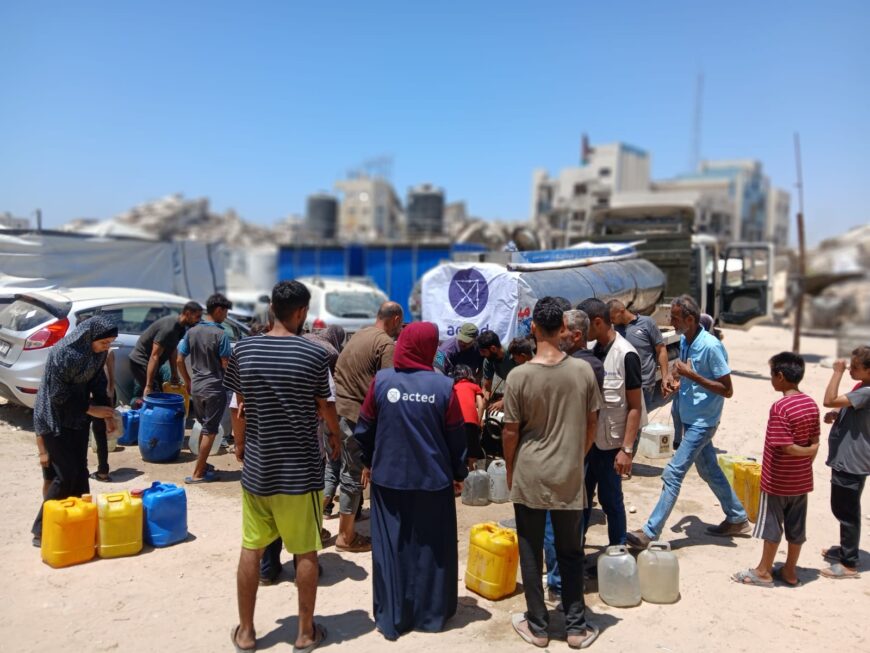
- Access to clean drinking water through water trucking and the provision of water tanks in Gaza and the West Bank
- Construction and rehabilitation of sanitation and water supply infrastructures in Gaza
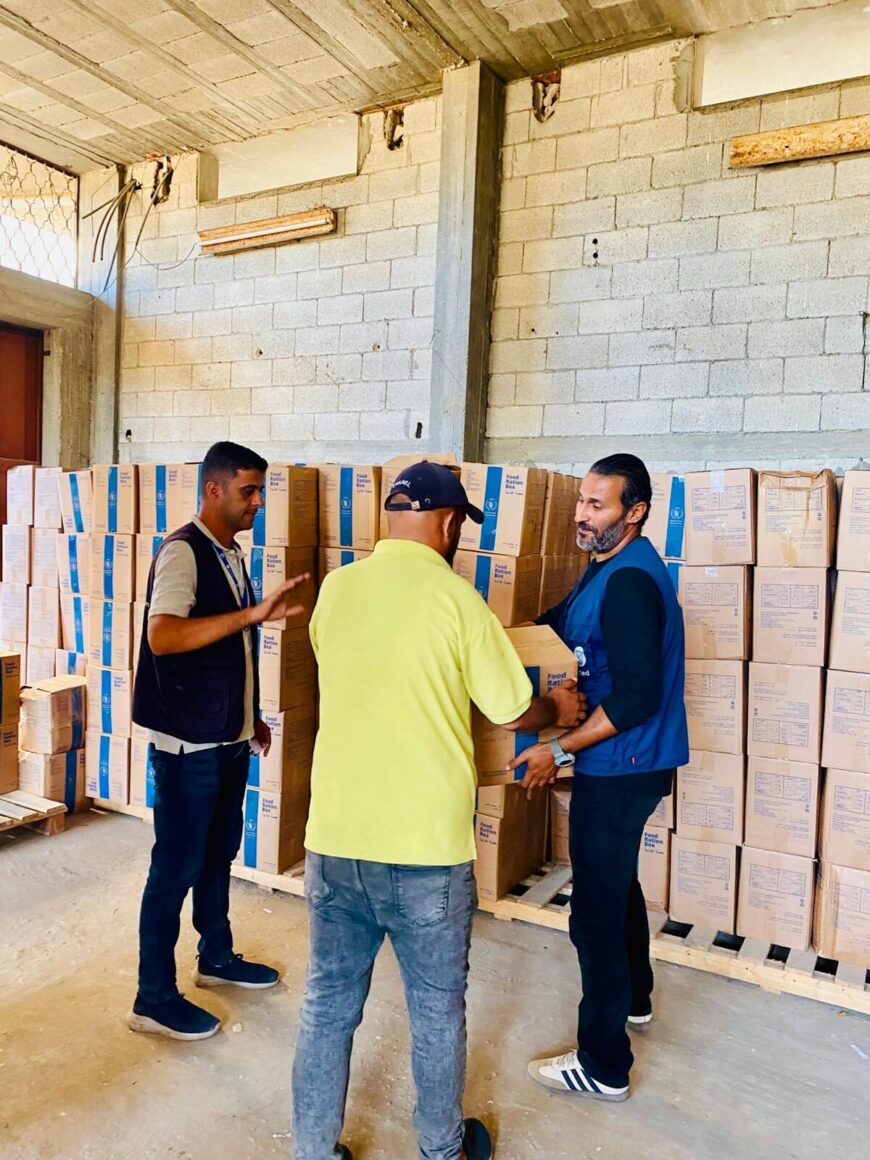
- Distribution of food parcels and cash-for-food assistance to meet basic nutritional needs in Gaza
- Malnutrition screening, promotion of good nutritional practices, distribution of nutrition supplementsin Gaza to prevent malnutrition
- Multi-Purpose Cash Assistance in Gaza and the West Bank
- Capacity-building to Civil-Society-Organizations and community leadership structures
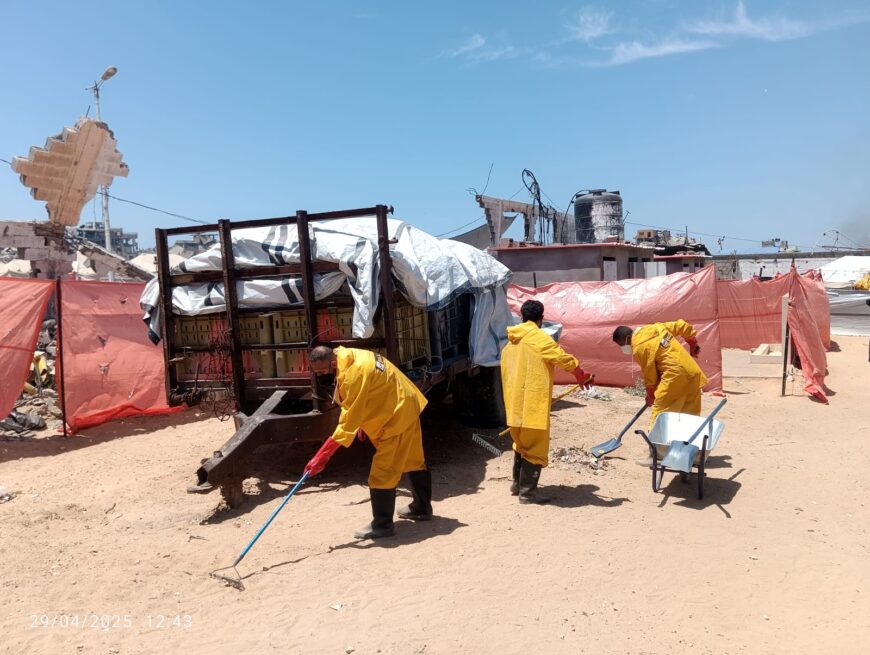
- Cash-for-work initiatives for site improvements and community cleaning campaigns in Gazaen mobilized to promote inclusive economic growth through digital innovation to generate employment opportunities for young graduates and entrepreneurs in the West Bank and Gaza Strip.
In 2023, Acted provided support to more than 25,000 vulnerable people through humanitarian interventions (shelter, NFIs, food security and WASH), civil society strengthening and inclusive economic development.