Present in Côte d'Ivoire since 2011, Acted works alongside vulnerable communities, local authorities and civil society to build resilience to climate change, strengthen food security and promote social cohesion. Acted scaled up operations in 2022 in response to the growing influx of asylum seekers from the Sahel and the accelerating impacts of land degradation on northern border communities. Drawing on its innovative THRIVE approach to agro-pastoral restoration and its expertise in integrated, community-led programming, Acted Côte d'Ivoire works towards a 3ZERO world: Zero Exclusion, Zero Carbon, Zero Poverty.
Côte d’Ivoire faces compounding humanitarian, development, and climate challenges. Since 2021, the country’s northern regions have absorbed a growing influx of people fleeing insecurity in the Sahel: as of December 2025, 82,787 forcibly displaced people are hosted in Côte d’Ivoire, the vast majority concentrated in the Bounkani and Tchologo regions. This surge strains fragile local resources and heightens longstanding agro-pastoral tensions.
At the same time, nearly 60% of productive land is degraded and 1.4 million people face acute food insecurity, driven by recurrent drought, erratic rainfall and limited adaptive capacity in communities that depend heavily on rain-fed agriculture.
Acted in Côte d’Ivoire
3ZERO in Côte d'Ivoire
Acted in Côte d’Ivoire is guided by its 3ZERO vision combining emergency response with long-term resilience and environmental action.
In the border regions of Tchologo, Bounkani and Poro, Acted addresses three interconnected challenges: land degradation, food insecurity, and social fragmentation.
Zero Carbon
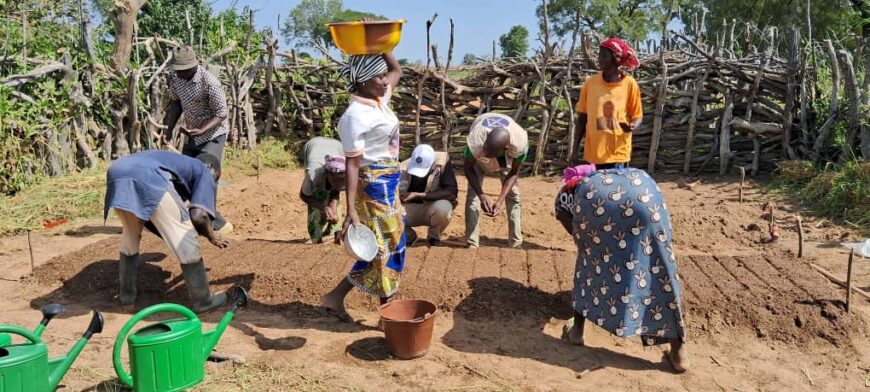
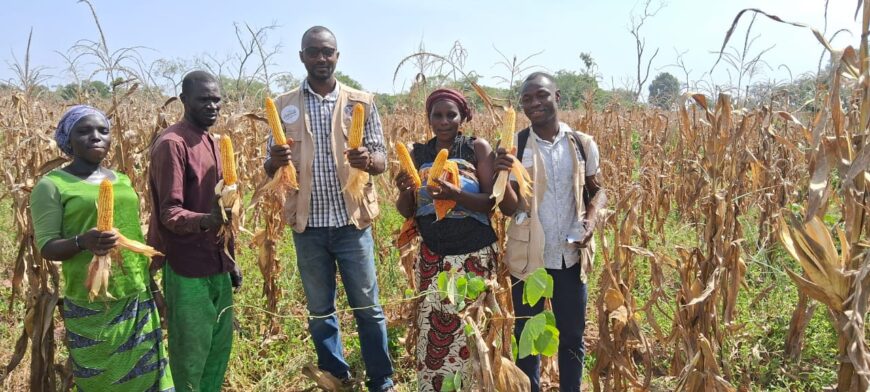
Through the THRIVE approach, Acted restores degraded land and strengthens communities’long-term climate resilience. In Tchologo, Acted is rehabilitating 5,000 hectares of land affected by drought through regenerative farming, farmer field schools and community-led natural resource management. Acted is also promoting sustainable food production, climate-smart agriculture and soil conservation in Poro, contributing to a national effort to reverse land degradation and build food system resilience.
Zero Poverty
Acted supports asylum seekers and host communities through food assistance and community asset-creation programmes, strengthening food security and diversifying livelihoods in the Tchologo and Bounkani regions. Acted also empowers women economically, supporting women-led micro-enterprises in sustainable value chains.
Zero Exclusion
Acted promotes social cohesion between displaced and host populations by supporting inclusive governance processes for shared natural resource management. Community dialogue prevents competition over land and water from escalating into conflict, critical in border areas under pressure from both displacement and climate stress. Local partnership ensures that interventions are locally owned.
Flagship Project
Acted’s flagship initiative in Côte d’Ivoire is its THRIVE project in the Tchologo region. Launched in October 2024, this two-year programme is rehabilitating 5,000 hectares of land degraded by prolonged drought, declining soil fertility and disappearing pastureland.
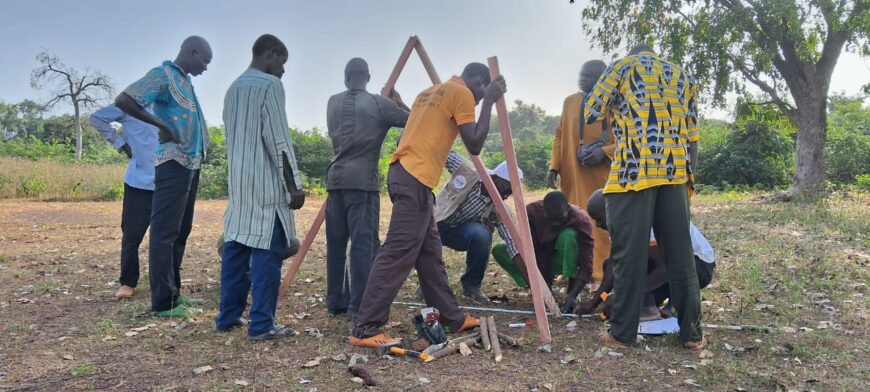
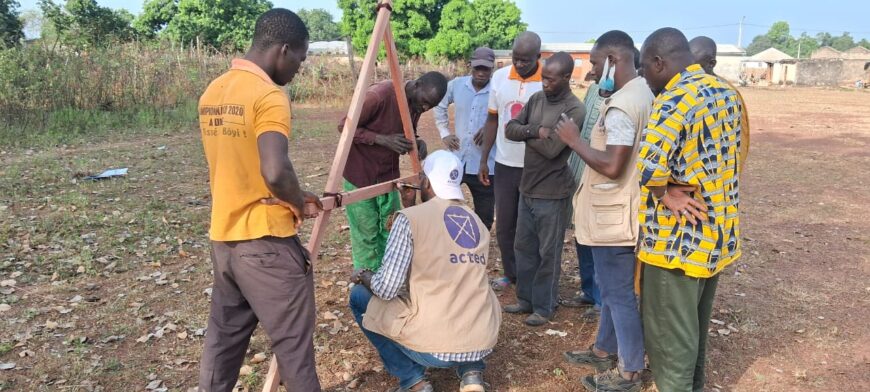
Through regenerative agro-pastoral practices, participatory land management and farmer field schools, THRIVE directly reaches 3,020 people, including asylum seekers and host communities, while building lasting climate resilience across entire landscapes.
The project also promotes peaceful coexistence through community-led agreements on the shared use of natural resources, making it a uniquely integrated response to Côte d’Ivoire’s intertwined environmental, economic and social challenges.