From mobile cash transfers to clean water flowing at health centres, families uprooted by drought and conflict are recovering with dignity and choice.
From July 2025 to July 2026, with the support of the Crisis and Support Centre of the French Ministry for Europe and Foreign Affairs (CDCS), Acted combined Multi-Purpose Cash Assistance (MPCA) and Water, Sanitation and Hygiene (WASH) support to reach 9,436 people affected by drought, conflict and displacement in Baidoa and Bardhere.
In Baidoa and Bardhere, recurring drought, conflict, and displacement have left thousands of families unable to meet their most basic needs. Rising food prices and overstretched health facilities have deepened vulnerability, particularly for women-headed households, elderly persons and children recovering from malnutrition. Humanitarian assessments confirmed a widening gap between household income and essential expenditures, alongside limited access to safe water and sanitation at the health facilities serving the most vulnerable, making an integrated cash and WASH response critical to protecting lives and preserving dignity.
Identifying and verifying 898 of the most vulnerable households
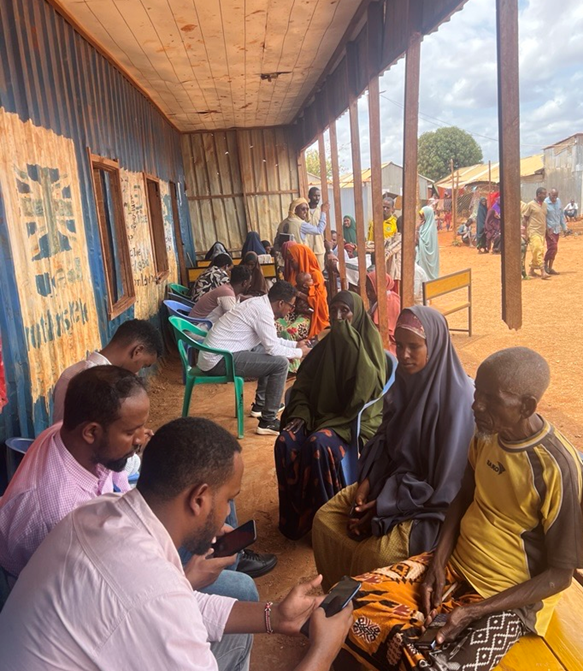
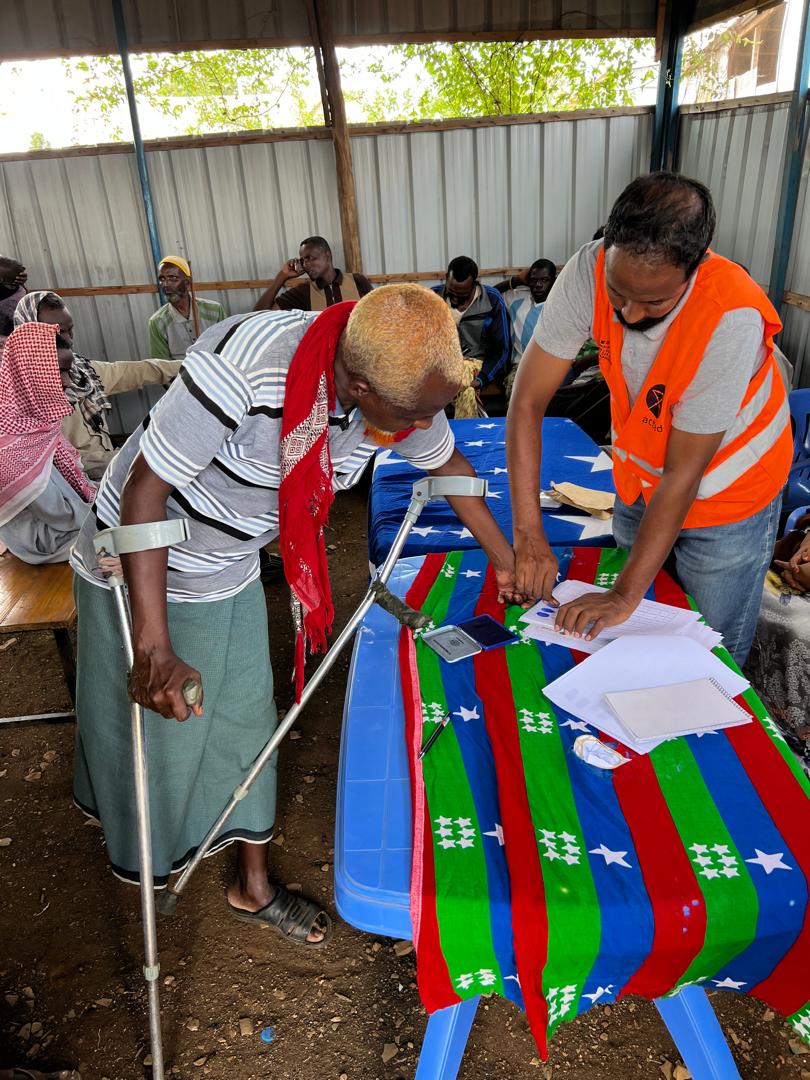
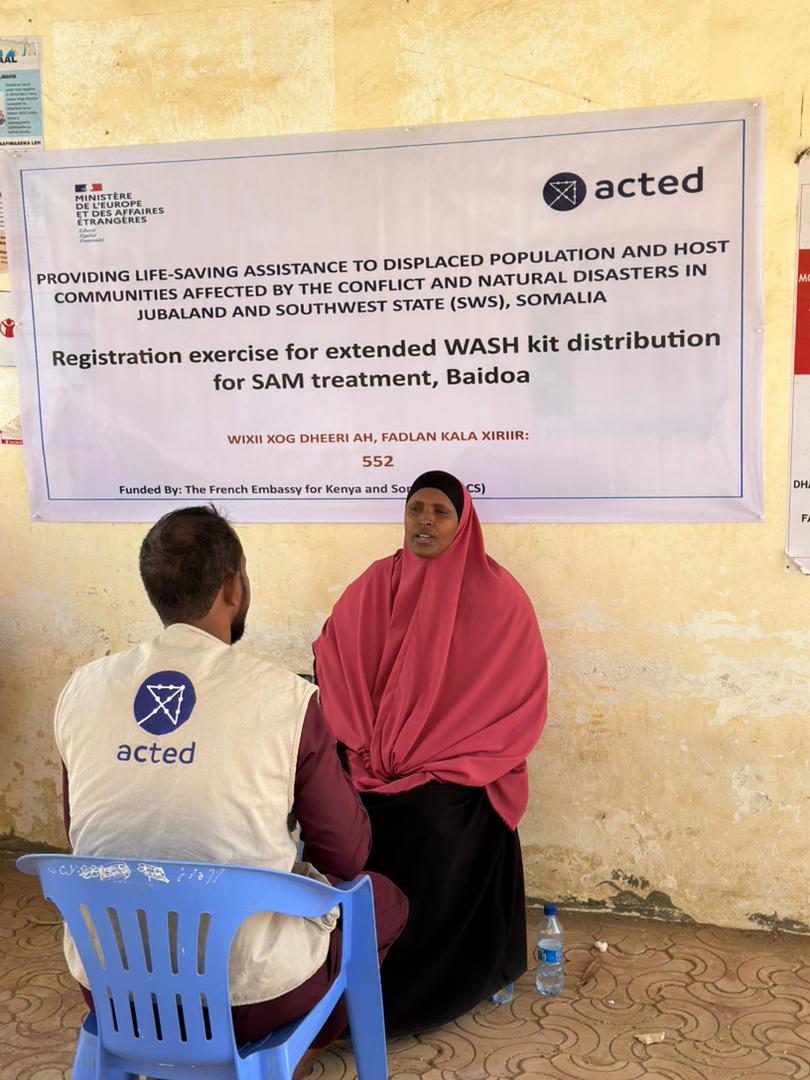
Registration of participants for Multi-Purpose Cash Assistance, Baidoa, October 2025
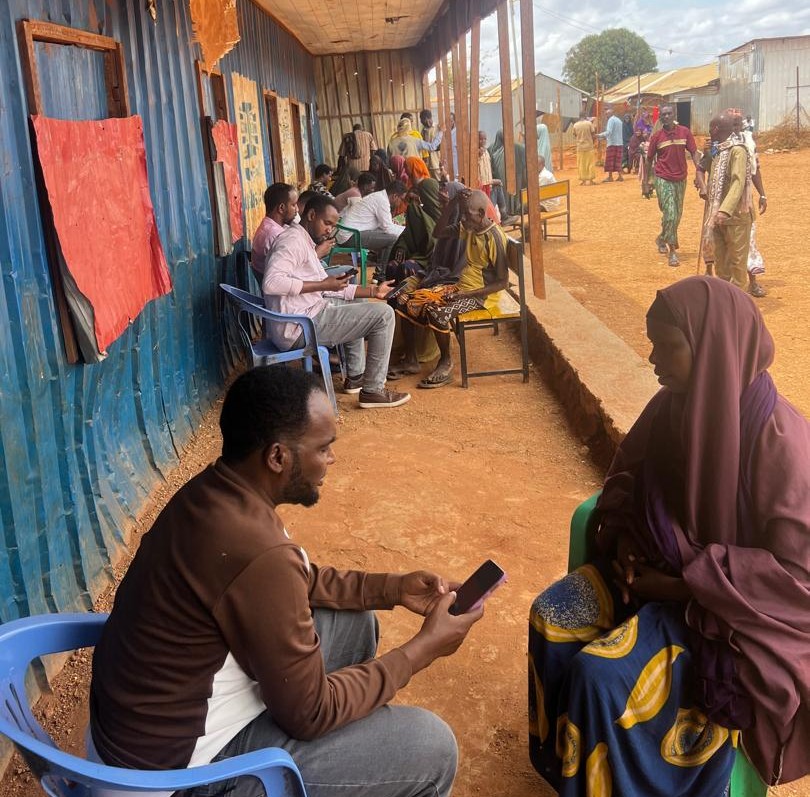
As the head of my household, I depend on casual manual labour to provide for my family. For many months, there was little or no work available, and we often went to bed without enough food. The cash assistance came at the right time. I was able to buy food, pay for essential medicine, and meet other urgent household needs. It gave my family relief during one of our most difficult periods and restored my hope that we could get through the crisis.
Acted delivered an integrated package designed hand in hand with communities, local authorities and camp management committees. 570 vulnerable households received three monthly cash transfers of USD 100 each through secure mobile money between November 2025 and February 2026. In addition, 328 households also received a fourth (top-up) transfer in June 2026, bringing the total amount disbursed to USD 203,800 – 100% electronically verified. In parallel, Acted rehabilitated two water systems, built four water kiosks, installed two 10,000-litre tanks and constructed eight gender-segregated latrines and eight shower blocks at Bula Jadid and Iftin health centres, alongside nine months of hygiene promotion and distribution of 807 WASH kits.
Secure mobile money puts choice back in families hands
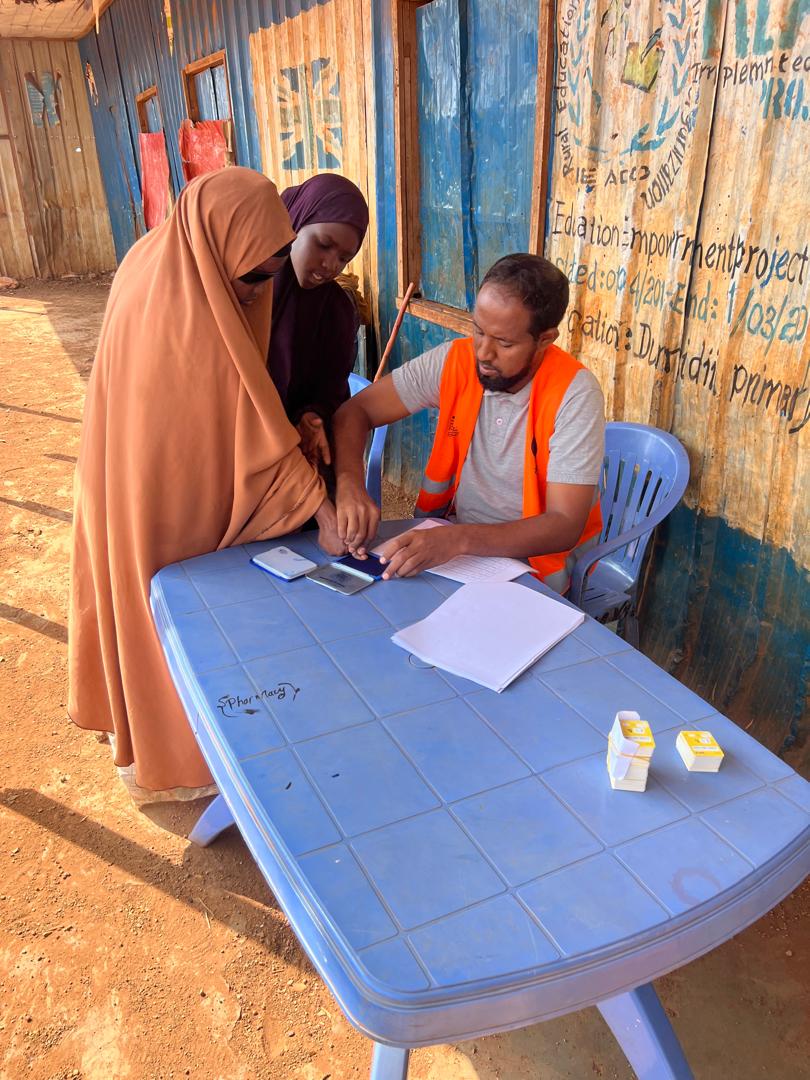
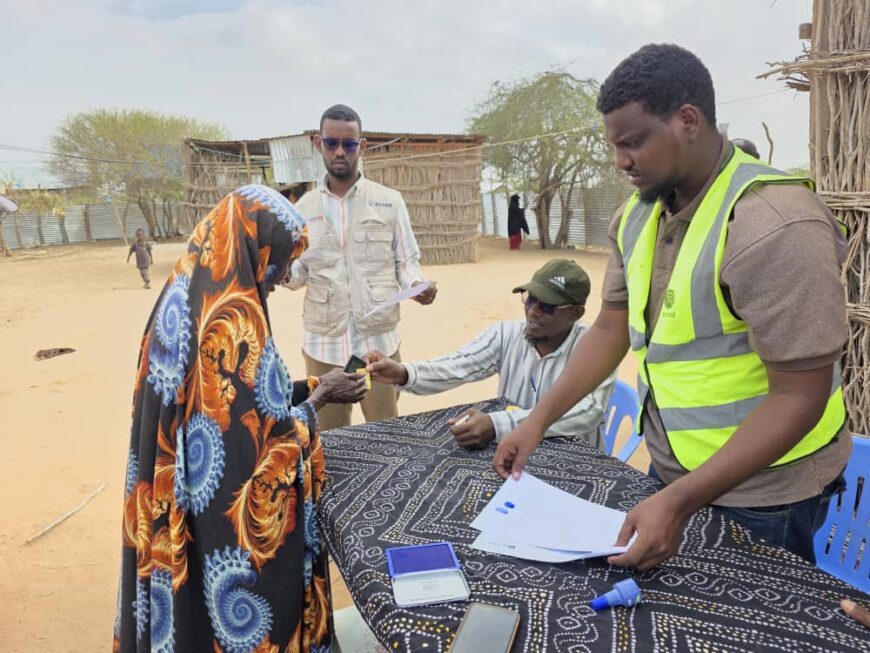
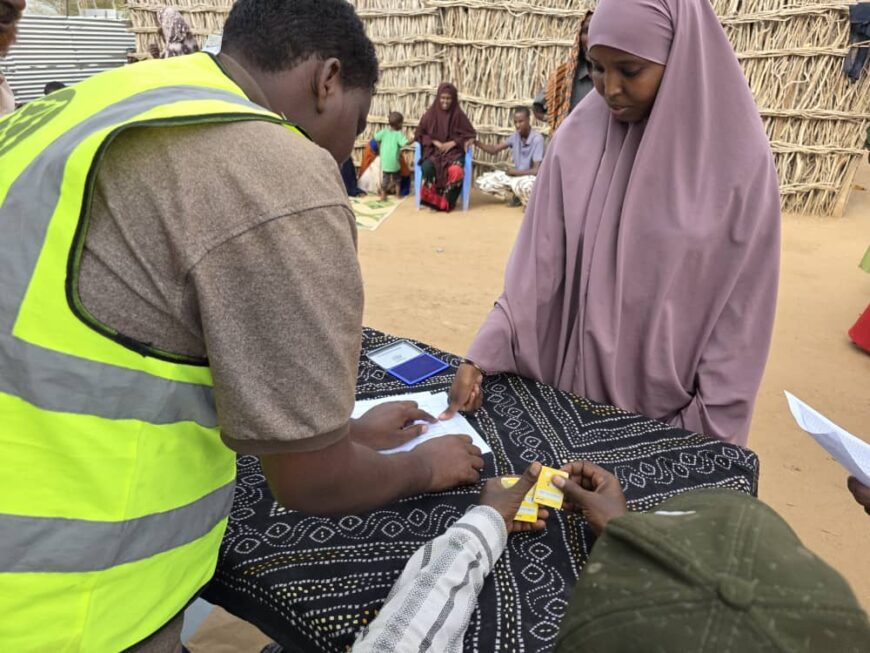
Participants receive their SIM cards ahead of the first mobile cash transfer, Baidoa, November 2025
Participants receive their SIM cards ahead of the first mobile cash transfer, Baidoa, November 2025
- 61% of households reached an acceptable Food Consumption Score, above the 60% target
- The mean reduced Coping Strategies Index fell by 5 points against baseline
- 75% of households could meet all or most of their basic needs by their own priorities
Rehabilitated water systems and gender-segregated sanitation restore dignity
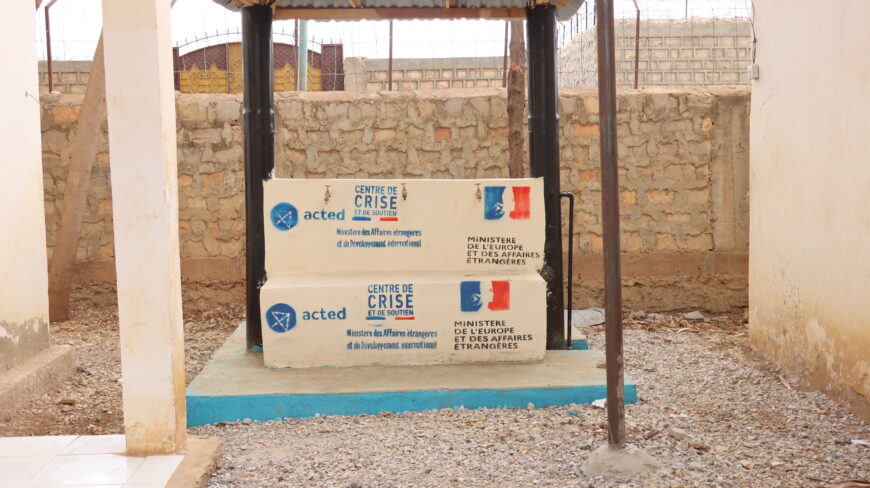
A completed water kiosk at Bula Jadid Health Centre, Baidoa, March 2026
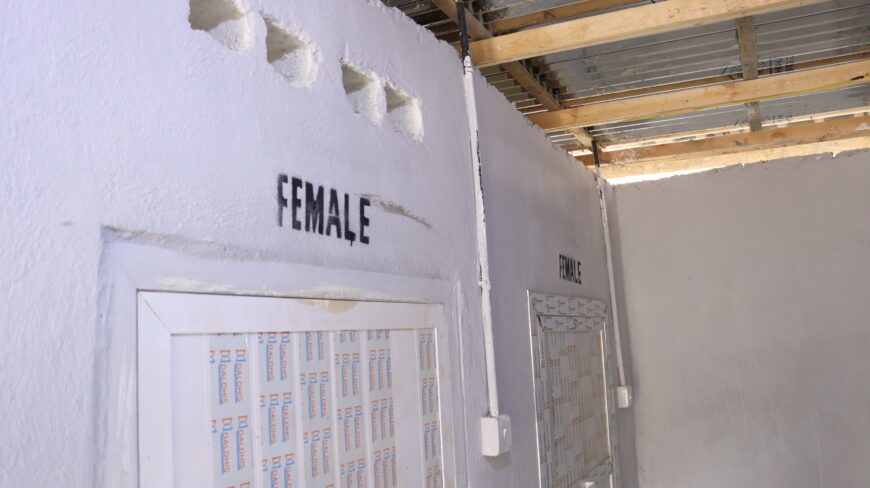
New gender-sensitive latrines improve safety and dignity, Baidoa, March 2026
Trained promoters help prevent malnutrition relapse in recovering children
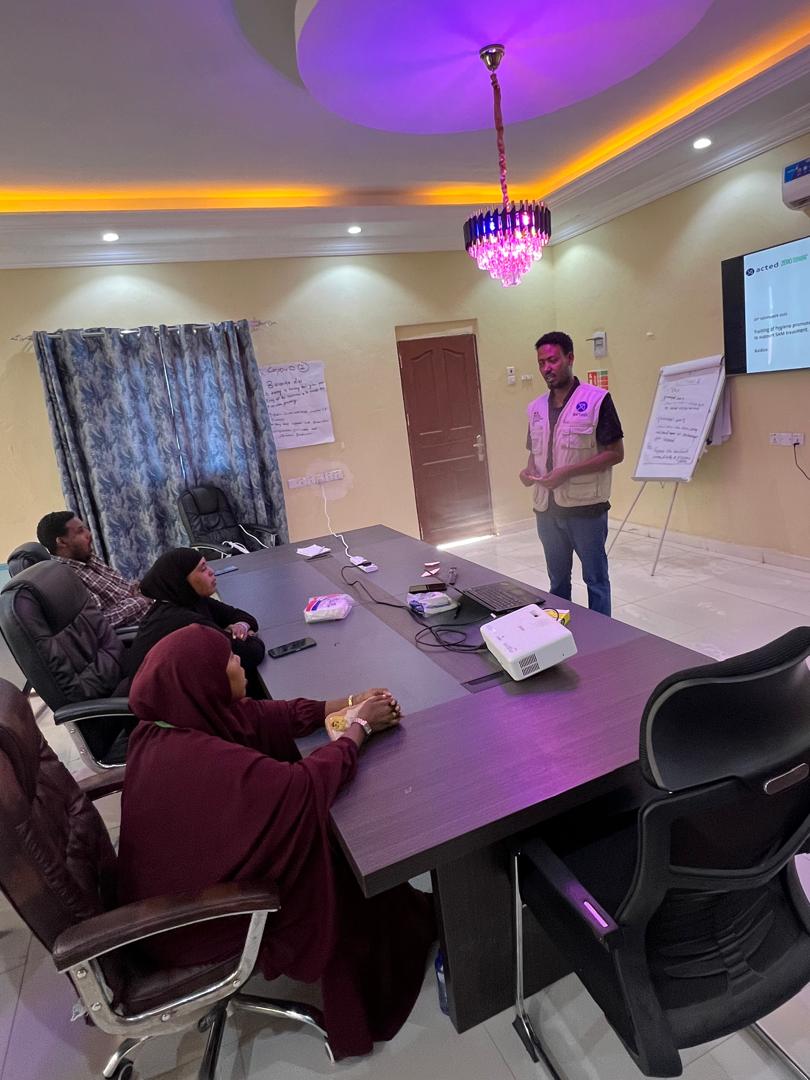
Hygiene promoters training, Baidoa, November 2025
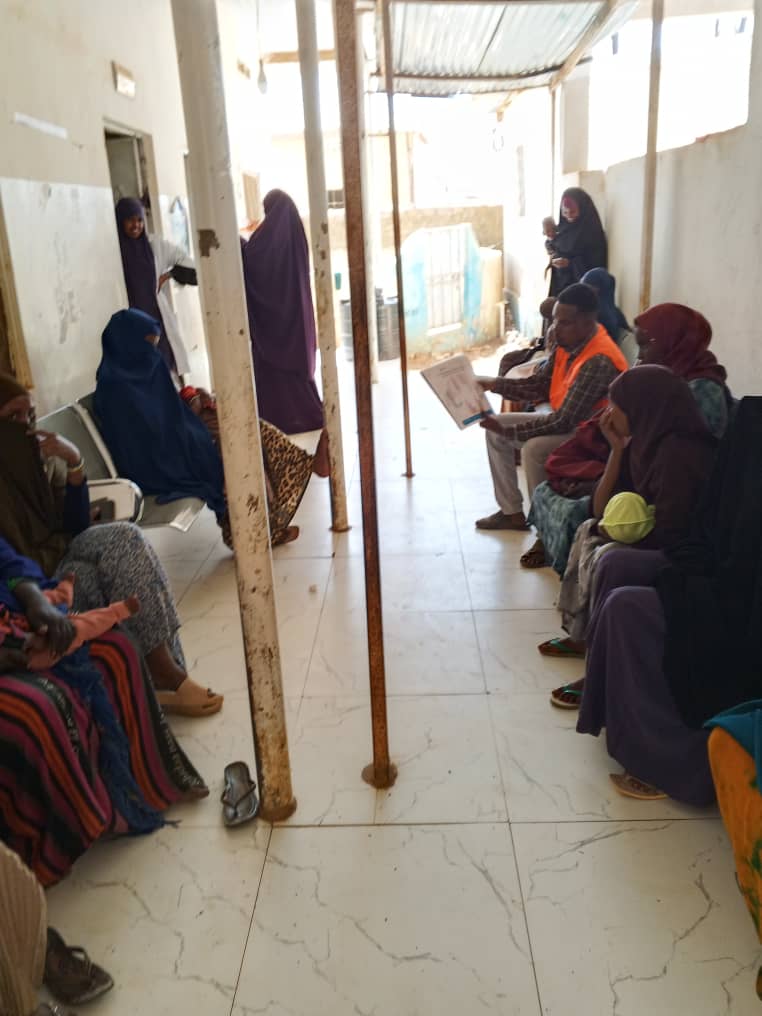
Hygiene promoter delivering hygiene promotion to participants for SAM treatment Bula Jadid MCH Baidoa, 12th Jan 2026.
807 households equipped for safe water practices at home
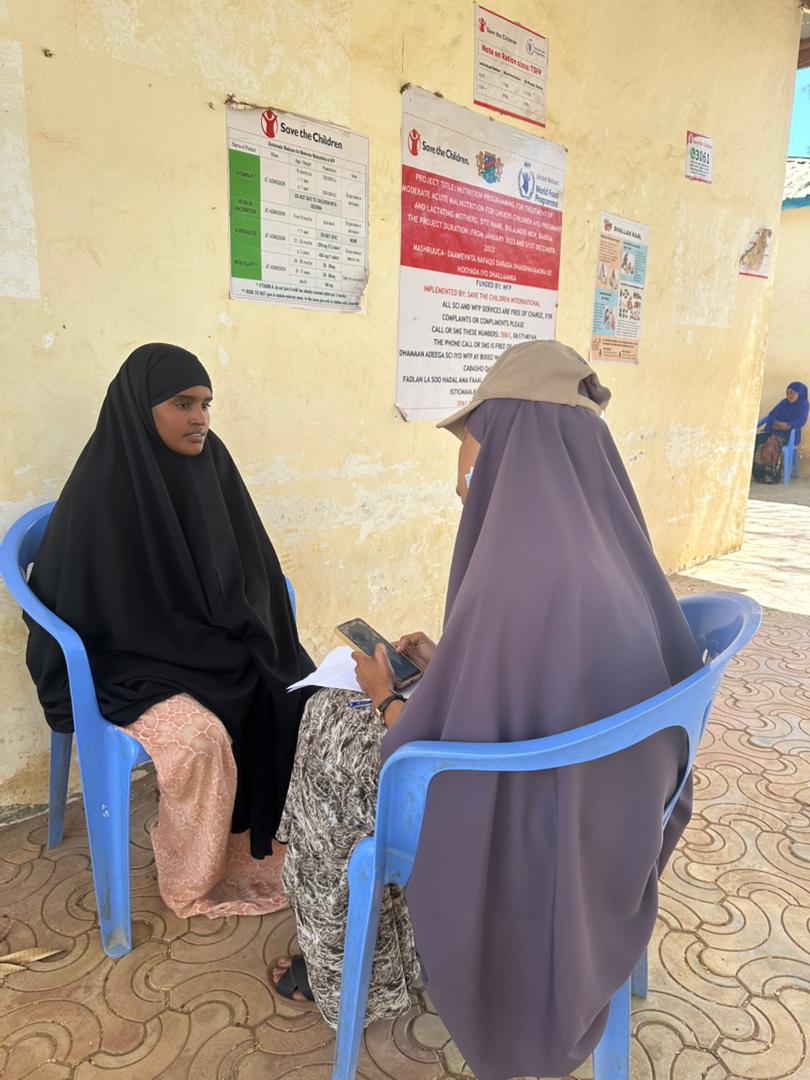
Registration of participants for distribution of Hygiene Kits, Baidoa January 2026
For families, cash assistance restored the ability to make choices. Parents bought food, paid for medicine and settled urgent expenses according to their own priorities, reducing harmful coping strategies such as skipping meals or selling assets. Following the assistance, a majority of households recorded an acceptable Food Consumption Score, mean reduced coping strategies reduced, and 75% of households reported being able to meet all or most of their basic needs. At the health centres, clean water now flows through shaded kiosks, and gender-segregated latrines and showers offer safety and dignity to some 6,000 people, especially women and girls. Hygiene promoters reached caregivers of children recovering from Severe Acute Malnutrition, helping prevent diarrhoeal disease and relapse during the most fragile period of recovery.
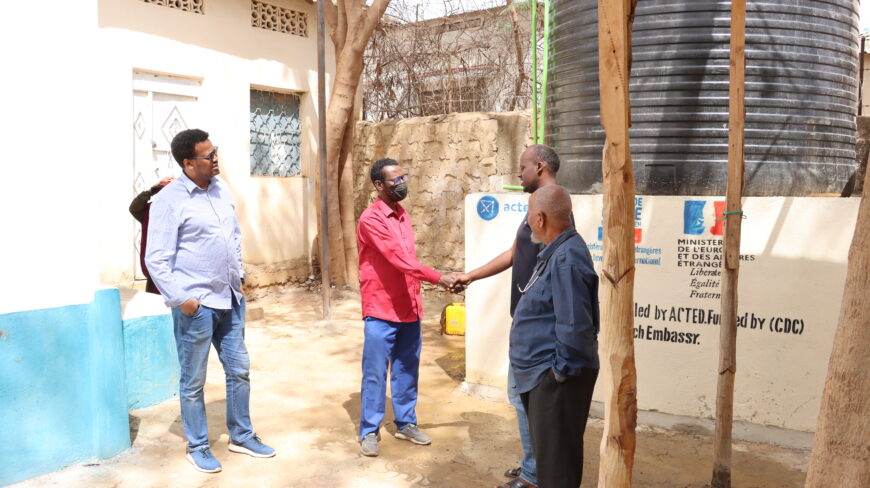
Acted hands over the completed WASH infrastructure to community representatives and local authorities, Baidoa, March 2026
On 4 March 2026, the completed WASH infrastructure in Baidoa was officially handed over to the community and its newly established Water Management Committee, with works in Bardhere finalised in April 2026, followed by the establishment and training of the local water management structure. With flexible cash, safe water, dignified sanitation and strengthened community-led management in place, families in Baidoa and Bardhere are better equipped to recover, stay healthy and withstand future shocks.