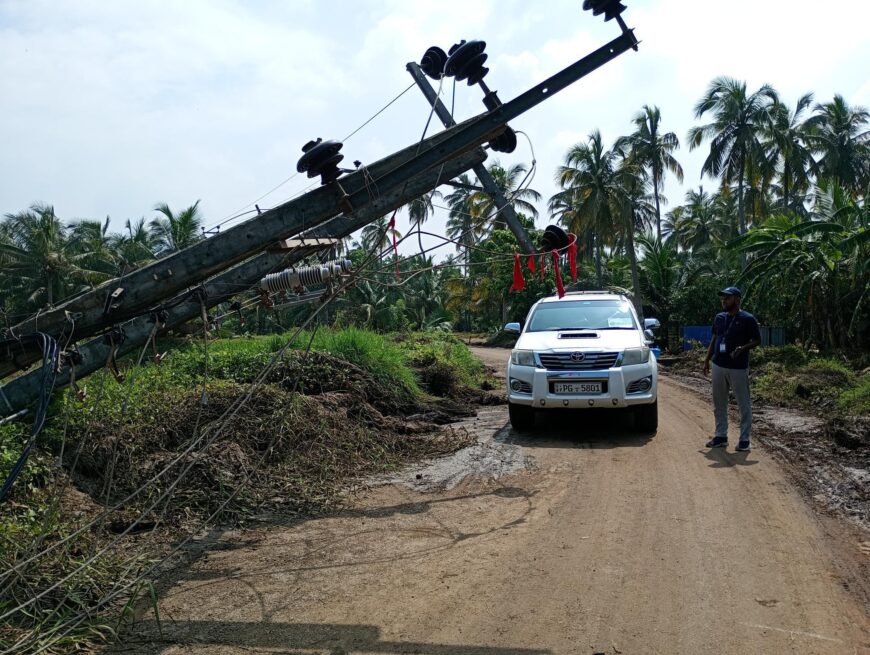
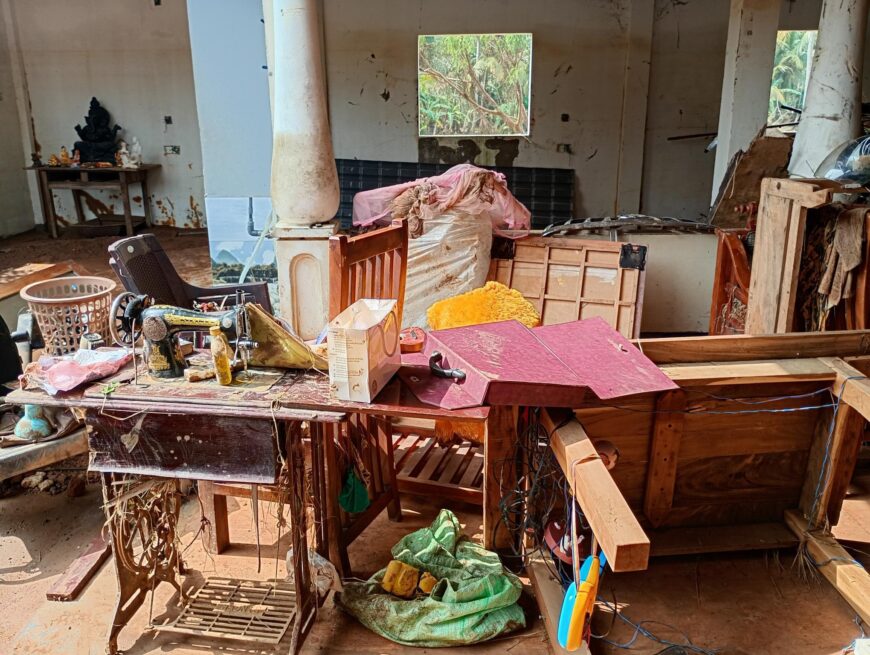
In November 2025, Cyclone Ditwah struck Sri Lanka with exceptional force, bringing heavy rainfall, massive flooding, and landslides. In some areas, more than 300 mm of rain fell in just 24 hours, causing riverbanks to burst, roads and railways to collapse, and widespread power and water outages. Thousands of families were displaced, and humanitarian needs escalated rapidly.
The Sri Lankan government declared a state of emergency to mobilise resources, coordinate evacuations, and manage relief operations. Thousands of security personnel (army, navy, air force, police), civilian volunteers, and emergency services are involved in rescue efforts. Many people trapped in flooded homes, on rooftops, or even in trees have been airlifted or evacuated by boat.
Acted, present in Sri Lanka since 2005 and active in 14 districts, is responding to urgent needs and supporting community recovery. Acted is focusing its efforts on Puttalam, Batticaloa, Kandy, and Gampaha, among the hardest-hit districts.
In order to tailor its response to the evolving situation, Acted first carried out a rapid needs assessment (RNA), which confirmed severe damage to key infrastructure, including schools, health centres, roads and railways, along with major disruptions to electricity and water supply systems. Thousands of displaced families are currently staying in temporary shelters, with urgent needs for food, clean water, hygiene items, medical support, and emergency shelter materials. Damaged roads, collapsed bridges, power cuts and communication breakdowns continue to hinder rescue operations and complicate the coordination of relief efforts.
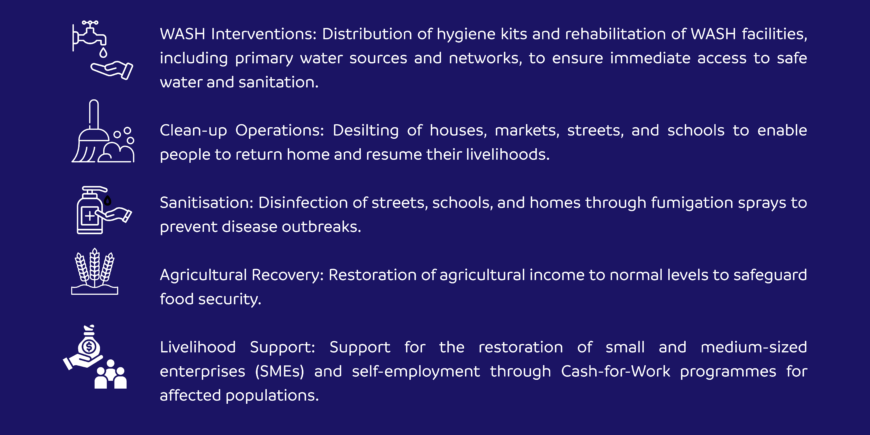
Based on these findings, local teams are working on:
Acted lance un appel à la solidarité pour apporter une aide vitale et soutenir la reconstruction de vies dignes au sein des communautés affectées.