Acted est présente en République du Congo depuis 1997 et œuvre pour le passage de l'aide humanitaire au développement durable au bénéfice des populations les plus vulnérables. Pour répondre aux besoins essentiels des communautés, Acted combine une aide humanitaire d'urgence lors de catastrophes naturelles avec le soutien au développement et à l'autonomisation de la société civile congolaise qui œuvrent en faveur du développement durable, de la protection de l'environnement, de l'accès aux services sociaux de base et de la protection des droits humains.
La République du Congo est confrontée à de graves défis structurels, des événements climatiques extrêmes, un déclin économique et des épidémies croissantes. Malgré une légère augmentation du revenu par habitant, les progrès en éducation et santé sont limités, avec une mortalité infantile de 32 décès pour 1 000 naissances en 2023. Le déclin du secteur pétrolier frappe durement l’économie, affectant particulièrement les jeunes, dont 42% sont au chômage en 2023.
La République du Congo est un pays vulnérable au changement climatique, fréquemment marquée par des épisodes de fortes inondations qui se sont intensifiés depuis 2019. En octobre 2023, des pluies diluviennes ont frappé le Congo, le plongeant fin décembre dans une situation de crise humanitaire sévère liée à la crue sans précédent du Fleuve Congo et de son affluent l’Oubangui impactant 9 des 12 départements du pays et affectant plus de 1,7 millions de personnes.
En outre, la République du Congo accueille plus de 64 600 réfugiés en 2023 dont 50% sont Centrafricains et 44% de République Démocratique de Congo (RDC).
Acted en République du Congo
La mission en République du Congo est la première d’Acted sur le continent africain. Acted s’engage pour assurer une transition de l’action humanitaire à un accès aux services de base durables. Acted concilie une vision à moyen et long terme de développement par la création d’opportunités économiques inclusives et pour une société civile, renforcée en protection de l’environnement.
L’ensemble des actions d’Acted en RoC s’intègre dans une vision de création de nouvelles dynamiques basées sur les populations et leurs territoires, pour favoriser le changement par la mise en commun des savoirs, la synergie des actions et l’innovation. Acted en RoC mets l’accent sur le soutien aux organisations de la société civile œuvrant pour le développement durable, l’accès aux services sociaux de base, la protection des femmes et des jeunes ou la protection de l’environnement. Acted collabore étroitement avec les acteurs locaux (OSC, autorités locales) afin de répondre précisément aux divers besoins des populations.
Grassroots Organization Capacity Assessment (GOCA)
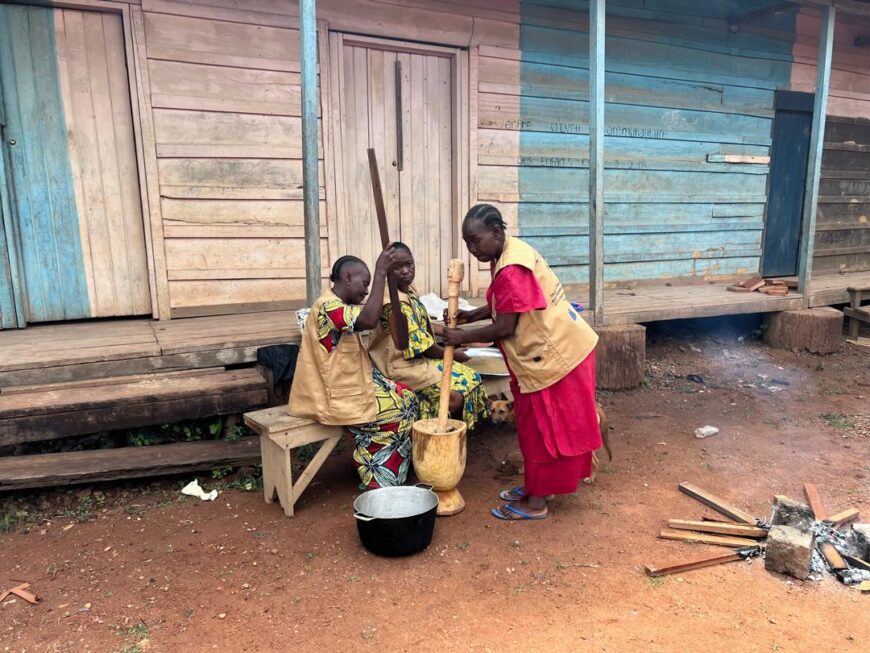
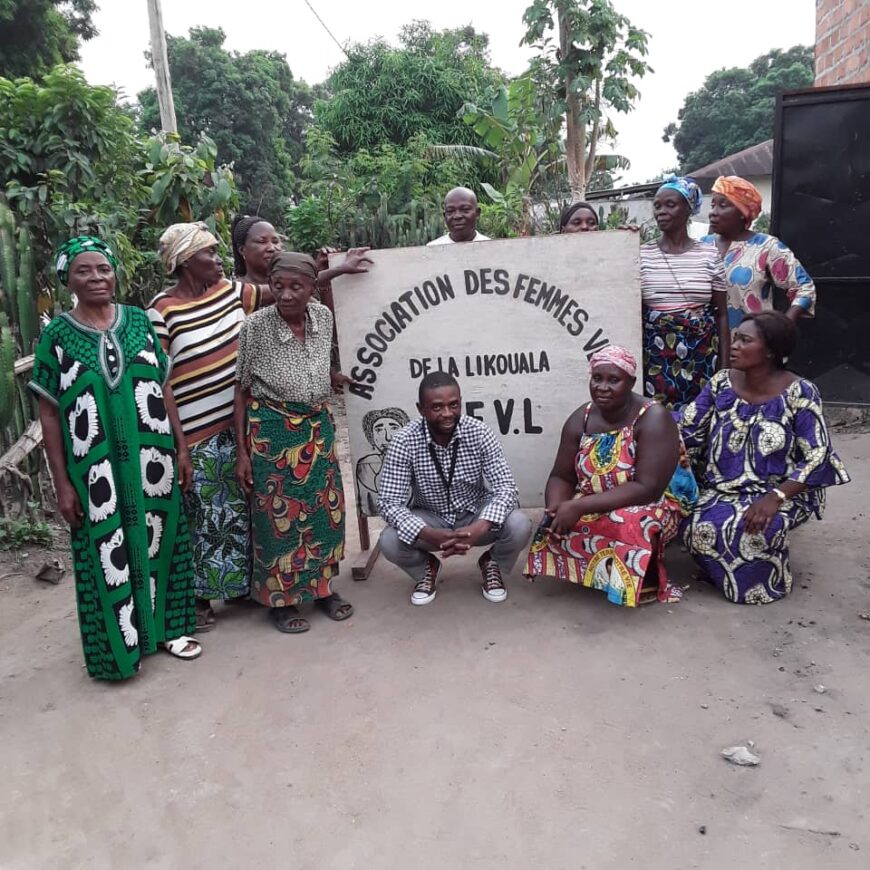
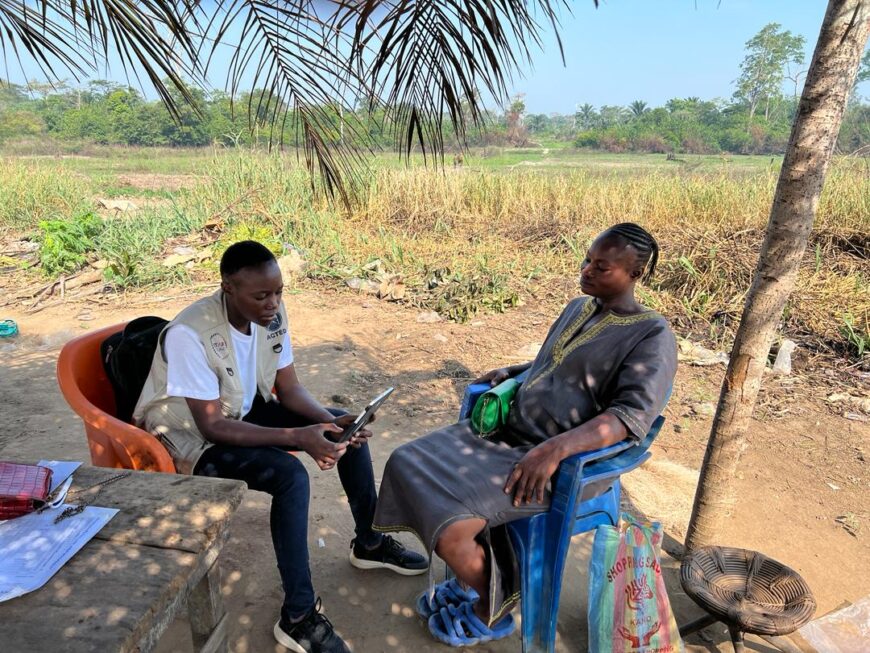
Depuis 2012, l’ONG a développé l’outil GOCA pour évaluer et renforcer les capacités des Organisations de la Société Civile (OSC) en RDC, facilitant leur accès aux financements directs et soutenant la localisation de l’aide. Acted accompagne 30 OSC et finance 20 de leurs projets pour renforcer le dialogue entre les acteurs de la société civile et promouvoir les thématiques environnementales et les droits humains. S’inscrivant dans la démarche de localisation de l’aide prônée par le Grand Bargain de 2016, Acted collabore étroitement avec des partenaires locaux.
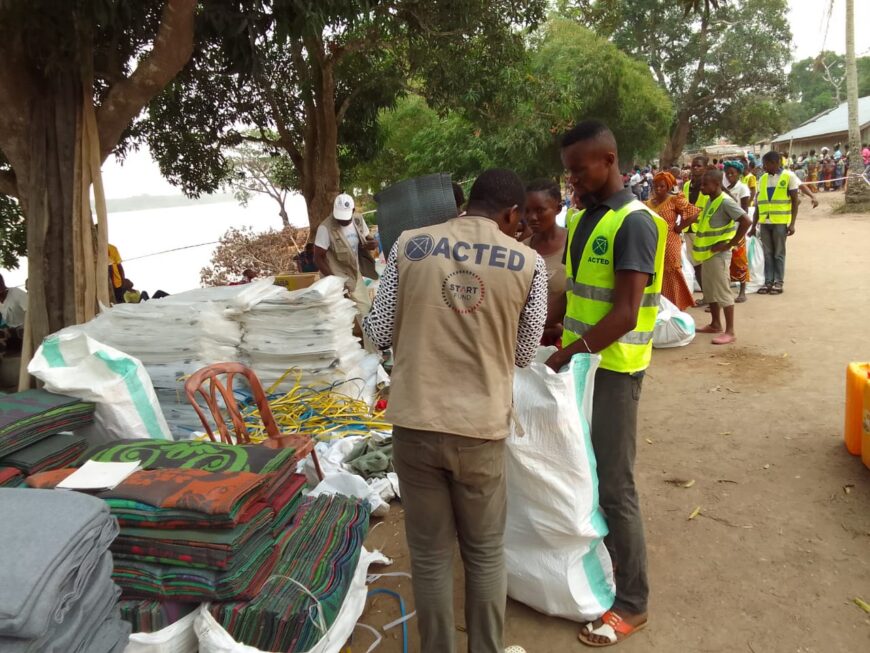
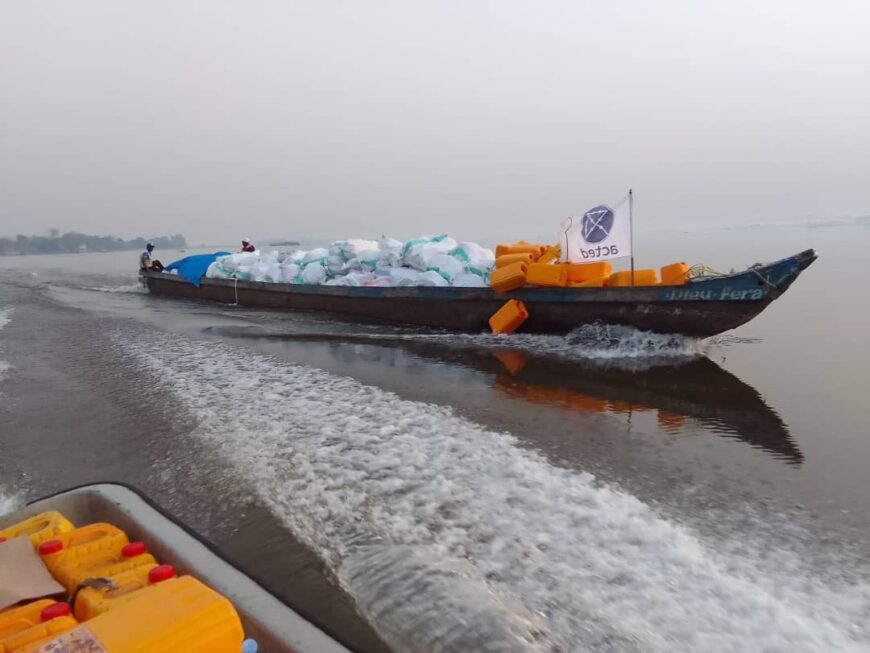
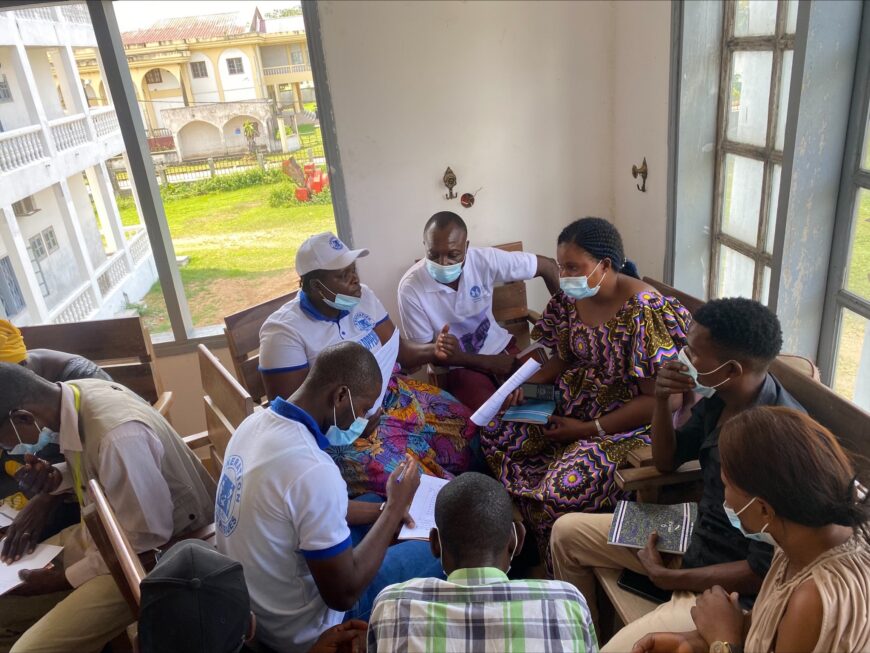
Redynamisation et soutien de la société civile en tant qu’acteur du développement durable dans les départements du Pool et du Likouala – financé par EuropeAid
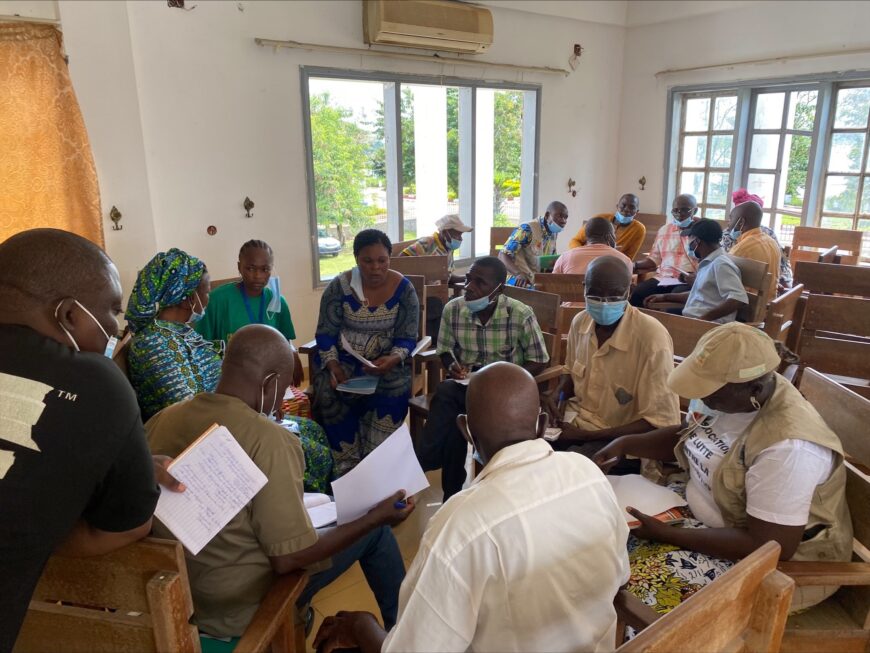
Ce projet de 42 mois, financé par EuropeAid, et mis en œuvre en partenariat avec 2 structures : l’ONG nationale l’Observatoire Congolais des Droits de l’Homme (OCDH) et l’association de droits français Convergences, vise à contribuer au développement des capacités d’action des Organisations de la Société Civile (OSC) congolaises en tant qu’acteurs du développement socio-économique, durable et inclusif.
L’objectif est de renforcer les capacités des OSC à assurer leur rôle d’acteur du changement et acteur d’un développement local durable, inclusif et catalyseur de changement et d’innovation ; soutenir les OSC dans leurs actions au service du développement local durable, favorisant un accès équitable aux services sociaux et au développement économique ; et enfin d’améliorer la coopération et les échanges multipartites public-privé afin de promouvoir le développement durable.
Au total, 30 OSC seront soutenues afin qu’elles puissent répondre aux besoins des populations les plus vulnérables et améliorer la qualité de service dans les départements du Pool et de la Likouala. Ce projet accompagne la société civile afin de favoriser l’accès aux services sociaux de base et la diversification du tissu économique pour les populations les plus vulnérables par le biais du renforcement des capacités organisationnelles, institutionnelles et thématiques à travers le financement de projets mis en œuvre par les OSC. Pour se faire, Acted se base sur l’outil GOCA – Grassroots Organization Capacity Assessment – développé par l’ONG en 2012 qui permet d’évaluer et de renforcer les capacités des OSC.
Note d'information République du Congo
Télécharger
Eau, hygiène et assainissement dans le département de la Likouala
Télécharger
Distribution kits d'hygiène
Télécharger
Connaissance des ménages sur les violences basées sur le genre
Télécharger
ACTED, 2017