Présente en Côte d'Ivoire depuis 2011, Acted travaille aux côtés des communautés vulnérables, des autorités locales et de la société civile pour renforcer la résilience face au changement climatique, renforcer la sécurité alimentaire et promouvoir la cohésion sociale. Acted a intensifié ses opérations en 2022 pour répondre à l'afflux croissant de demandeurs d'asile en provenance du Sahel et aux effets de plus en plus marqués de la dégradation des sols sur les communautés frontalières du nord. S'appuyant sur son approche innovante THRIVE qui permet la restauration agro-pastorale et sur son expertise locale, Acted œuvre en Côte d'Ivoire pour un monde 3ZERO : Zéro exclusion, Zéro carbone, Zéro pauvreté.
La Côte d’Ivoire est confrontée à des défis humanitaires, de développement et climatiques qui s’aggravent. Depuis 2021, les régions du nord du pays accueillent un afflux croissant de personnes fuyant l’insécurité au Sahel : en décembre 2025, 82 787 personnes déplacées de force sont venues se réfugier en Côte d’Ivoire. La grande majorité d’entre elles se sont abritées dans les régions de Bounkani et de Tchologo. Cette affluence met à rude épreuve les ressources locales déjà limitées et exacerbe les tensions agro-pastorales existantes depuis de longue date.
En outre, près de 60 % des terres productives sont déteriorées et 1,4 million de personnes sont confrontées à une insécurité alimentaire aiguë, due à des sécheresses récurrentes, à des précipitations irrégulières et à une capacité d’adaptation limitée au sein de communautés qui dépendent fortement de l’agriculture pluviale.
Acted en Côte d’Ivoire
3Zéro en Côte d'Ivoire
En Côte d’Ivoire, Acted s’appuie sur sa vision « 3ZERO », qui allie intervention d’urgence, résilience à long terme et action environnementale.
Dans les régions frontalières de Tchologo, Bounkani et Poro, Acted s’attaque à trois défis étroitement liés : la dégradation des sols, l’insécurité alimentaire et la fragmentation sociale.
Zéro Carbone
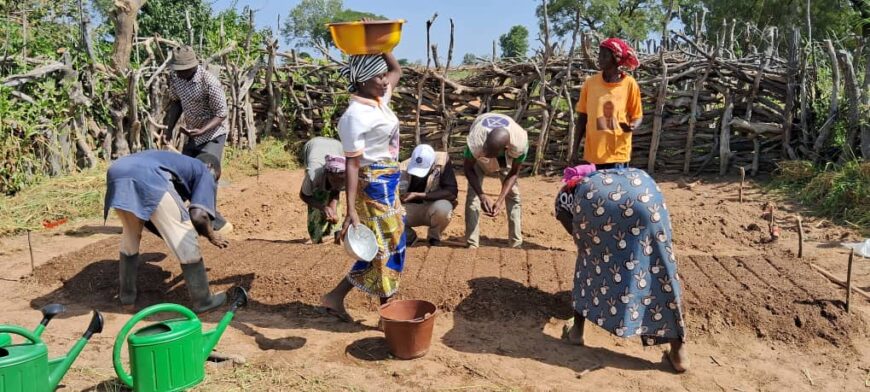
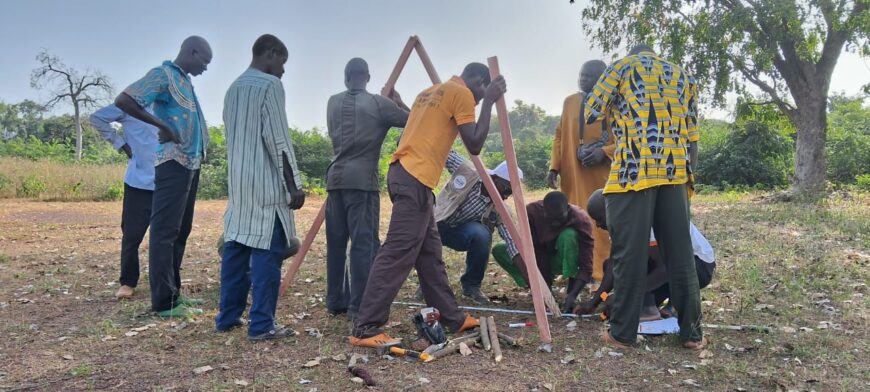
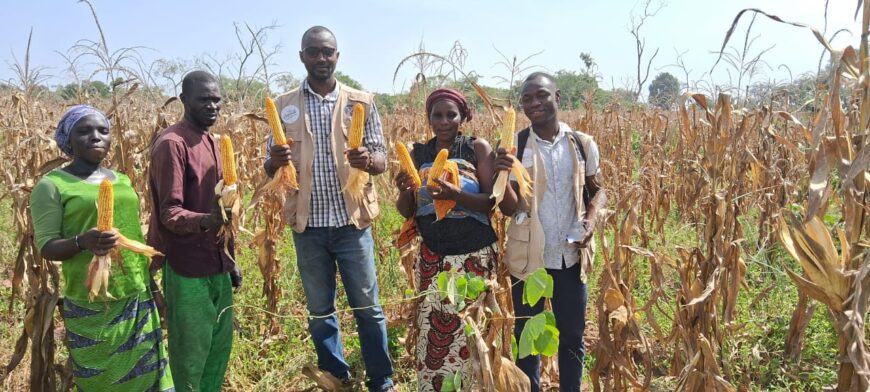
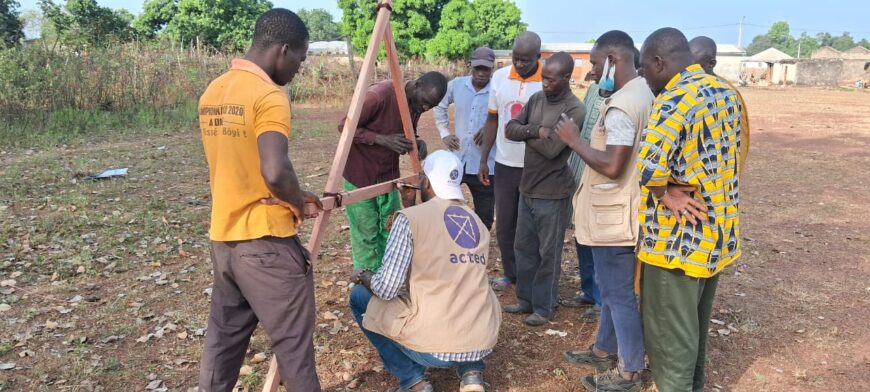
Dans le cadre de sa stratégie THRIVE, Acted restaure les terres dégradées et renforce la résilience climatique à long terme des communautés. À Tchologo, Acted réhabilite 5 000 hectares de terres touchées par la sécheresse grâce à l’agriculture régénérative, à des écoles d’agriculture et à une gestion communautaire des ressources naturelles. Acted promeut également la production alimentaire durable, l’agriculture intelligente face au climat et la conservation des sols à Poro, contribuant ainsi à l’effort national visant à inverser la dégradation des terres et à renforcer la résilience du système alimentaire.
Zéro Pauvreté
Acted soutient les demandeurs d’asile et les communautés d’accueil par le biais d’une aide alimentaire et de programmes de création d’actifs communautaires, renforçant ainsi la sécurité alimentaire et diversifiant les moyens de subsistance dans les régions de Tchologo et de Bounkani. Acted renforce également l’autonomie économique des femmes en soutenant des micro-entreprises dirigées par des femmes au sein de chaînes de valeur durables.
Zéro Exclusion
Acted favorise la cohésion sociale entre les populations déplacées et les populations d’accueil en soutenant des processus de gouvernance inclusifs pour la gestion partagée des ressources naturelles. Le dialogue communautaire est clé pour éviter que que la concurrence pour l’accès à la terre et à l’eau ne dégénère en conflit, ce qui est essentiel dans les zones frontalières soumises à la pression des déplacements de population et du stress climatique.
Projet Flagship
L’initiative phare d’Acted en Côte d’Ivoire est son projet THRIVE dans la région de Tchologo. Lancé en octobre 2024, ce programme d’une durée de deux ans a pour objectifde réhabiliter 5 000 hectares de terres dégradées par une sécheresse prolongée, une baisse de la fertilité des sols et la disparition des pâturages.
Grâce à des pratiques agro-pastorales régénératrices, à une gestion participative des terres et à des écoles d’agriculture, THRIVE améliore le quotidien de 3 020 personnes, dont des demandeurs d’asile et des communautés d’accueil, tout en renforçant la résilience climatique à long terme.
Le projet favorise également la coexistence pacifique par le biais d’accords communautaires sur l’utilisation partagée des ressources naturelles, ce qui en fait une réponse unique aux défis environnementaux, économiques et sociaux étroitement que connait la Côte d’Ivoire.